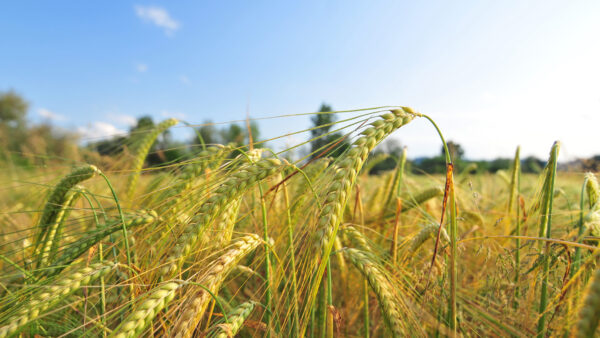
As agriculture faces climate pressure, shrinking farmland and rising food demand, biotechnology is helping accelerate seed innovation in Chile and around the world.
Chile is consolidating its position as a strategic global hub for the biotechnology seed industry, driven by its climate diversity, technical expertise and growing role in international agricultural research.
During a recent conversation, ChileBio Executive Director Miguel Ángel Sánchez said plant genetic improvement is not new, but rather a practice humans have carried out for centuries. “Human beings have been developing new varieties of plants adapted to the challenges that have been encountered in food production,” he said.
Today, however, those challenges are intensifying. Sánchez noted that food systems must respond to population growth, shrinking farmland, climate pressure and rising sustainability demands. “In Chile in the last 50 years the population has increased by 10 million inhabitants and the land intended for agriculture has decreased.”
Traditional breeding can take decades. Developing a new apple variety may require up to 50 years, while a new vegetable variety can take around a decade. Biotechnology, Sánchez said, is helping reduce those timelines to less than five years. “They are very attractive tools because they reduce times considerably and also reduce costs,” he explained.
That acceleration is becoming increasingly important as agriculture looks for ways to produce more food in less time while using resources more efficiently, according to a press release.
Biotech Advances Reach the Table
Biotechnology is already influencing foods sold in different parts of the world. Sánchez pointed to genetic editing technologies that allow precise changes to DNA, noting that they have led to crops with new productive and nutritional characteristics.
Among the examples he cited were lettuces that last two more weeks without oxidizing, tomatoes enriched with amino acids that help prevent hypertension problems and potatoes capable of producing more tubers per plant. “We are talking about varieties of plants with characteristics to solve problems of both agriculture, sustainability, food and nutrition,” he said.
The discussion also addressed the distinction between transgenic crops and newer genetic editing techniques. Sánchez explained that genetically modified organisms incorporate genes from other organisms to produce new proteins, while genetic editing seeks to “imitate genetic changes that occur in nature,” but in a faster and more targeted way.
“We are not transferring genes to produce specific proteins, but we are going to imitate changes that do occur in nature. But in nature they happen randomly,” he said.
Chile Builds Its Biotechnology Pipeline
In Chile, several biotechnology projects are already advancing. Sánchez highlighted work by a Chilean startup developing wheat with higher fiber content, as well as research by the National Institute of Agricultural Research into a genetically modified potato that oxidizes more slowly and has a longer shelf life. “That allows to reduce food waste,” he said, adding that about 40% of what is consumed is also lost in homes.
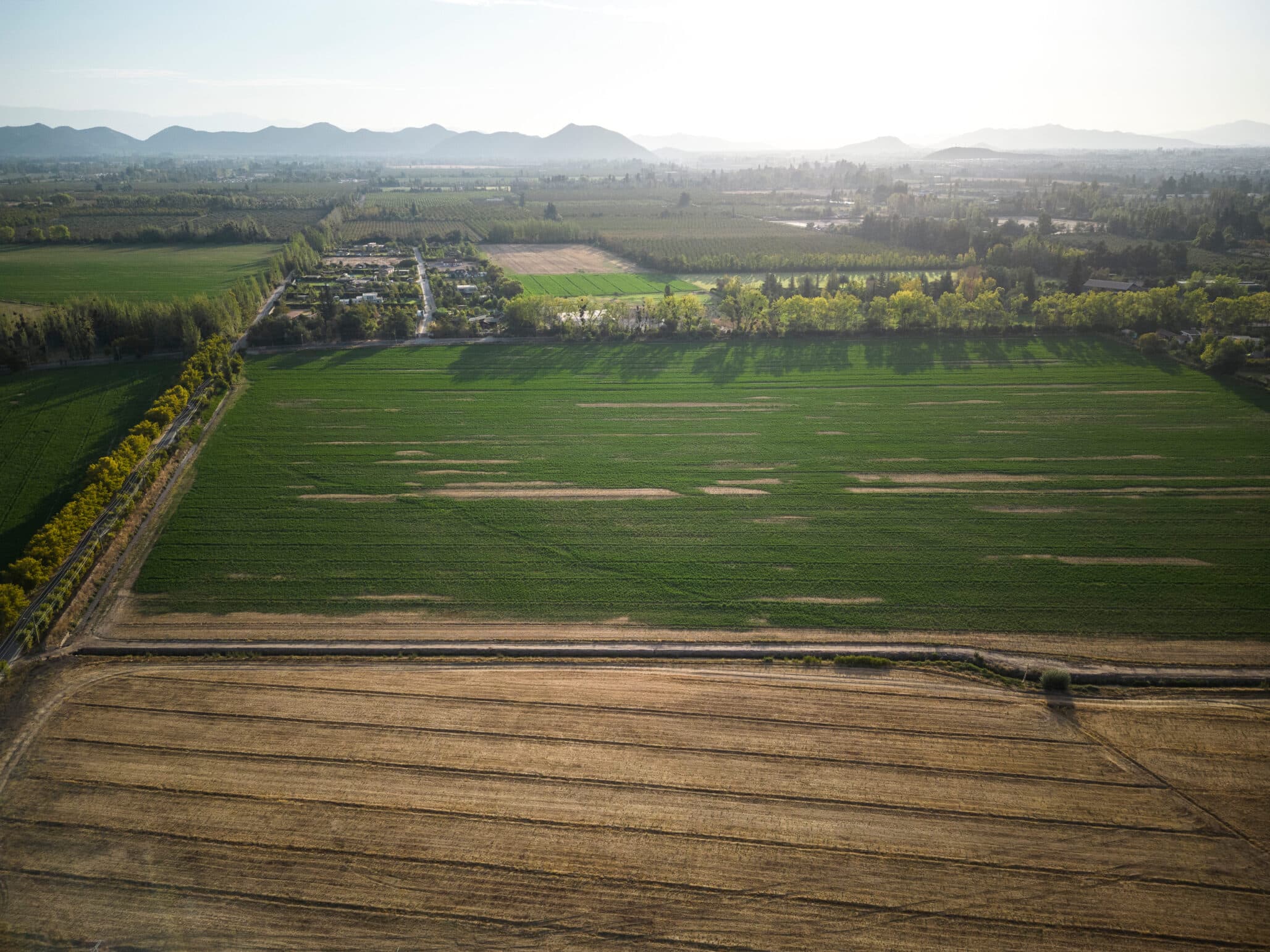
Beyond domestic innovation, Chile has become a key location for field trials and international seed research. “Many of the new varieties are evaluated in our country. And if Chile did not exist, many of the varieties that are consumed in the world today would not exist because the research processes here are accelerated,” Sánchez said.
He attributed that role to Chile’s combination of geographic isolation, technical knowledge and wide-ranging climates. From the dry conditions of Arica to the rainy south, the country offers diverse environments for testing crops under different conditions.
Communicating Biotechnology’s Role
Despite Chile’s growing importance in the sector, Sánchez said public awareness remains limited, partly because of past concerns around genetically modified crops. “Many times it was preferred not to talk about these issues because they generated a lot of noise in the population,” he said.
That approach is changing, he added, as governments and industry groups work to improve public understanding of biotechnology. “Countries are investing in biotechnology communication so as not to repeat the mistakes of the past,” he said.
According to Sánchez, biotechnological seeds generate about 30,000 jobs each year in Chile and support seed production used to plant millions of hectares worldwide. “Chile is the main exporter of the southern hemisphere of transgenic seeds and today is the second country in the world with the most requests for genetically modified products,” he said.
ChileBio has also developed outreach tools, including a chatbot focused on agricultural biotechnology, to help explain the sector’s role and applications.
“Chile is consolidating its role as a biotechnological seed hub,” Sánchez concluded.