IPK researchers used deep learning to predict how DNA switches help control plant traits, from flowering time to heat stress response.
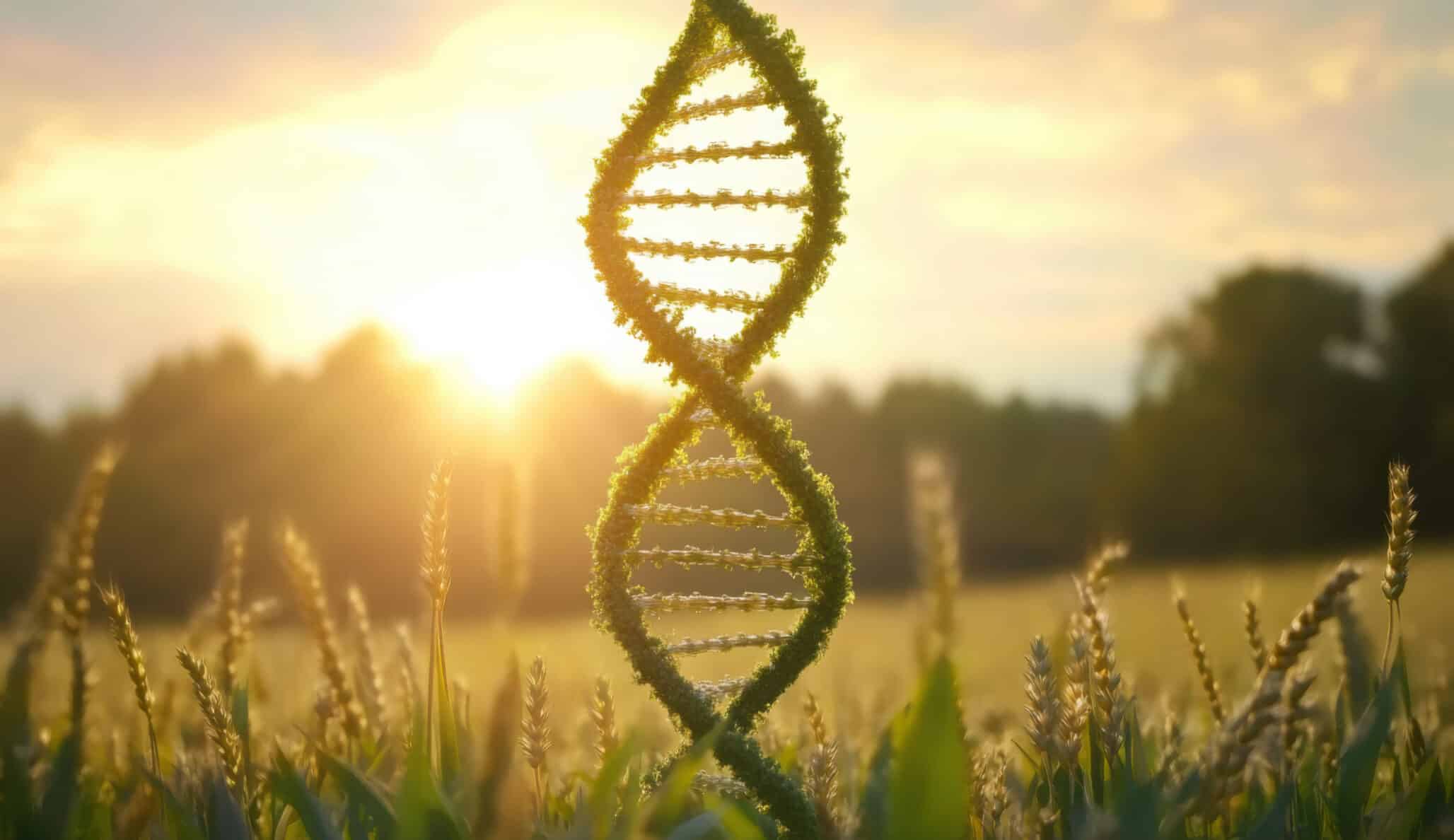
When people talk about the genome, they often think first of genes. But genes alone do not explain why plants grow differently or respond in different ways to environmental signals. DNA also contains many sections that act as switches or regulators. Among the most important of these regulatory elements are transcription factors, which bind to DNA and determine when a gene becomes active and how strongly it is expressed.
Looking Beyond the Genes
One way to picture this is to think of a house. The genes are the rooms, while the regulatory regions are the light switches, thermostats and fuse boxes. To understand how the house works, you need to know not only where the rooms are, but also how the wiring behind the walls is connected.
The IPK team set out to map that wiring using the vast data resources available for Arabidopsis thaliana, often considered the “lab rat” of plant science.
Training AI to Read Regulatory Patterns
To do this, the researchers trained a deep learning model on hundreds of experimental DNA-binding datasets, teaching it to recognize the binding patterns of 46 transcription factor families at once.
Unlike previous methods, which typically required a separate model for each factor and often struggled to work across an entire genome, this “multi-label” design allows the model to analyze many factors simultaneously. The team then tested whether it could correctly locate previously unseen binding sites and uncover new regulatory relationships, according to a press release.
“Our results indicate that transcription factors don’t simply read isolated DNA motifs. What matters is the surrounding sequence and the way these signals are arranged together,” says Fritz Forbang Peleke, first author of the study.
The analogy is language: individual words carry little meaning until their order and context form a sentence. In DNA, too, function emerges from how regulatory elements combine — a kind of regulatory grammar — rather than from single building blocks alone.
Thousands of Genes, 14 Regulatory Patterns
Using these predicted binding patterns, the model sorted Arabidopsis genes into groups based on how they are likely regulated. Thousands of genes fell into just 14 broad regulatory clusters, several of which aligned with shared biological functions and coordinated gene activity.
“Plants carry thousands of genes, yet many of their functions appear to arise from a surprisingly small set of recurring regulatory patterns,” Peleke says.
Connecting DNA Variants to Plant Traits
The team also examined more than 7,000 DNA variants previously linked in genome-wide studies to traits such as flowering time, disease resistance and seedling growth. About one in five of these variants was predicted to alter transcription factor binding.
“We can now estimate how a single change in a regulatory stretch of DNA alters gene activity and, in turn, an important plant trait,” explains Dr. Jędrzej Szymański, head of the Network Analysis and Modelling research group at the IPK and of the Omics Data research group at the Forschungszentrum Jülich. “This gives researchers a way to move from a statistical association to a plausible molecular mechanism.”
One example involving flowering time was especially telling. The model predicted that a single base change in a regulatory region would simultaneously affect the binding of several transcription factors — the kind of change that can nudge a plant to flower earlier or later. The prediction was then confirmed experimentally using a high-throughput reporter assay.
From Arabidopsis to Maize
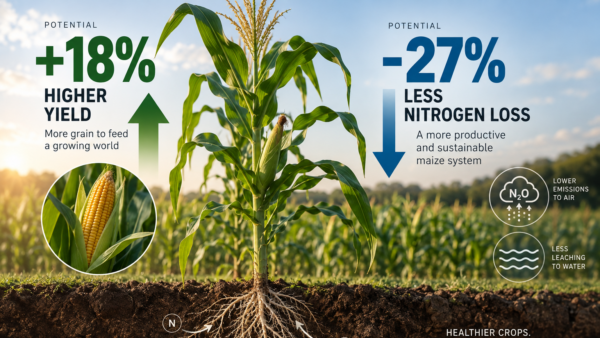
Although the model was trained only on Arabidopsis, it could also be applied to maize, a distantly related crop. In maize, the model helped identify which transcription factors respond to heat stress.
Known heat-stress regulators, including heat shock factors, emerged as especially important, showing how the approach could support crop research in species where binding data remain limited.