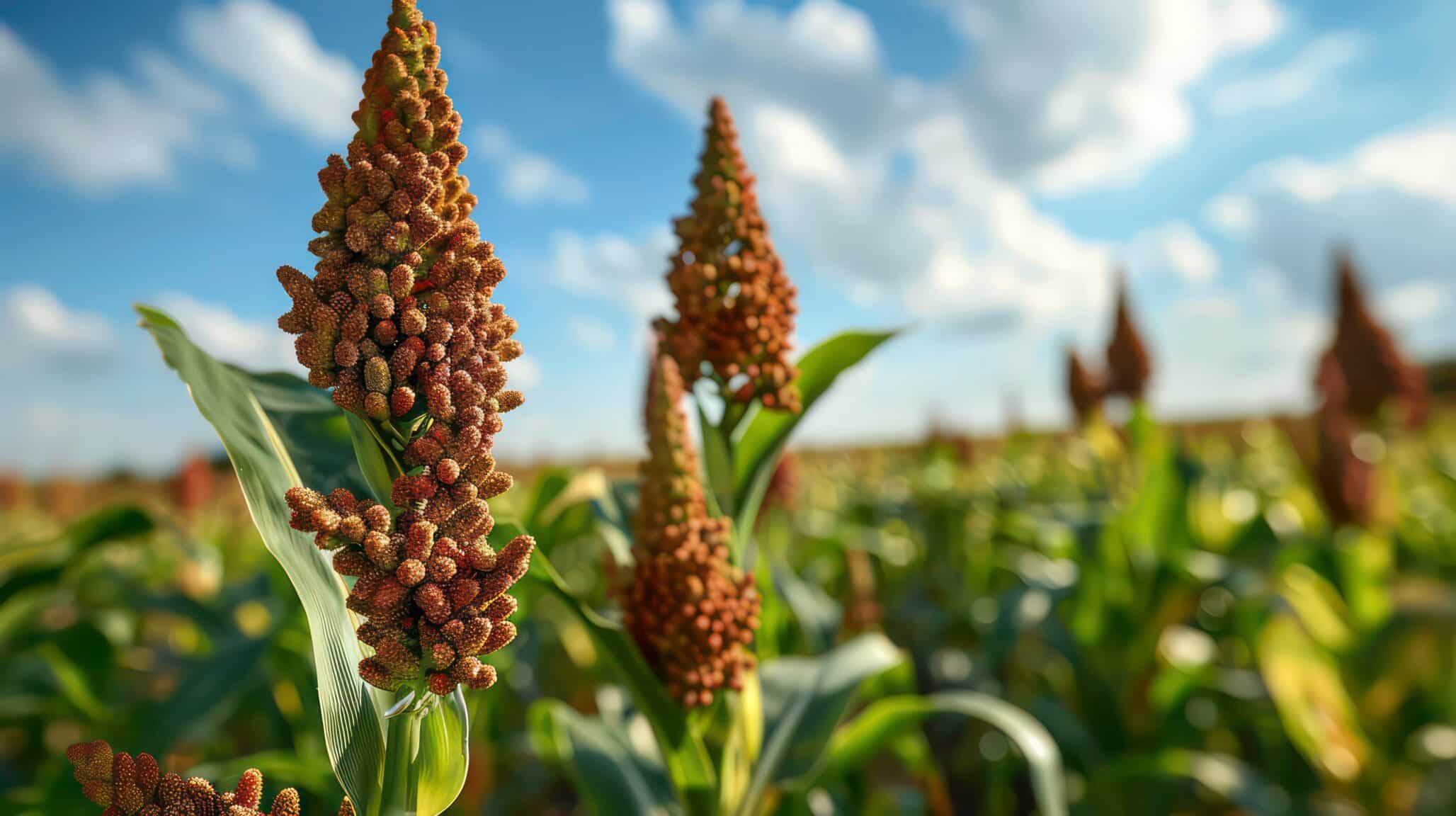
Researchers are mapping the compounds inside sorghum to help breeders better align genetics with nutrition, grain quality and market demand.
Plant breeders have spent decades selecting for traits farmers can easily see and measure: yield, disease resistance, stress tolerance and maturity. But researchers increasingly want to understand something more complex — what is happening inside the grain itself.
At the National Association of Plant Breeders (NAPB) annual meeting, Texas Tech University assistant professor Yinping Jiao showcased research that could eventually help breeders identify and select for nutritional characteristics with greater precision.
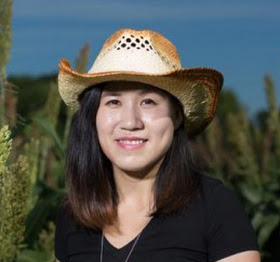
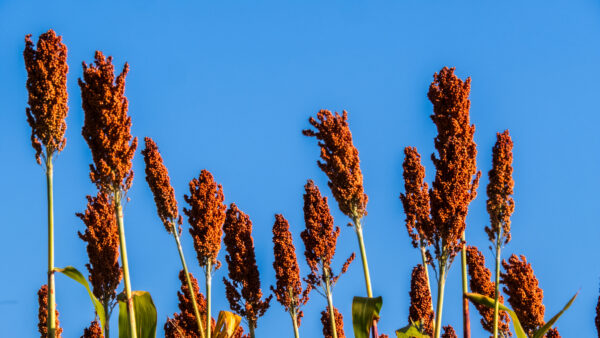
Her work focuses on sorghum, a crop she describes as uniquely positioned to serve multiple markets.
“Grain quality traits become very important to meet the different market needs for sorghum,” Jiao says. “It is a very versatile crop.”
Her lab integrates genomics, metabolomics, quantitative genetics and machine learning to understand grain composition, including starch, protein, oil and compounds associated with human health.
The implications extend beyond academic research. As food companies, livestock producers and consumers seek products with specific nutritional and functional attributes, breeders may need to think differently about value. Tools like metabolomics could eventually help seed companies develop products tailored to particular markets while adding new layers of information alongside traditional priorities such as yield, stress tolerance and disease resistance.
Jiao says the objective is to help breeders better match genetics to specific end uses.
“My research goal is to identify the different genes or the different combinations of these genes to meet the different market needs,” she says.
She offered examples that illustrate how one crop can serve multiple purposes.
“For example, for the animal feeding, to feed the cows, we would prefer large seeds, and feed the birds, we would prefer small seeds,” Jiao says. “The low protein digestibility and starch digestibility can be a problem for animal feeding, but for human food, on some aspects, the low protein and starch digestibility is a preferred feature.”
Understanding those differences requires a deeper look inside the grain itself.
Looking Beyond Traditional Traits
Jiao described metabolomics as an important bridge between genetics and final crop characteristics.
“I consider the metabolome is the link between the genotype and the end traits,” she says.
Traditional breeding may identify a visible trait such as grain color. Jiao argues researchers can gain a richer understanding by studying what’s responsible for creating those.
Her team profiled hundreds of sorghum accessions from the Sorghum Association Panel (SAP), a collection of genetically diverse lines researchers assembled to represent sorghum’s broad genetic diversity, and measured thousands of compounds within those lines. Then, they performed metabolite genome-wide association studies to connect those compounds back to genetic variation.
The result is a growing database researchers can use to investigate relationships among grain composition, genetics and potentially valuable traits. Their work also highlights just how much diversity already exists within sorghum.
The researchers identified substantial variation across amino acids, carbohydrates, vitamins and polyphenols — plant compounds often associated with antioxidant activity and human health.
“Polyphenols is a class of bioactive compounds related to the antioxidant,” Jiao says. “It is considered to be beneficial for human health.”
Connecting Grain Composition to Breeding Decisions
Jiao says the challenge now is determining how breeders can use this information.
Her team connected specific compounds to visible traits such as grain color and more complex traits such as oil content.
Using machine learning, researchers identified compounds associated with grain color and then traced those compounds back to genetic markers. They are applying the same strategy to total oil content.
Researchers identified 12 lipid-associated markers and are testing whether stacking favorable alleles can improve grain oil levels.
“What we want to do is have an allele stacking strategy to improve the sorghum total oil content,” Jiao says.
The project remains in development, but it illustrates how breeders may eventually add another layer of information to existing selection strategies.
Extending the Conversation to Human Health
Jiao moved from breeding toward consumption. Working with nutrition researchers, her team is investigating whether compounds naturally present in sorghum may help address inflammation associated with metabolic disease.
“The motivation of this work is to say sorghum is beneficial to address inflammation because inflammation is one of the major causes of obesity,” Jiao says.
Researchers selected six sorghum lines with distinct grain colors and metabolite profiles and tested whole-grain extracts on human cells. They intentionally evaluated the whole grain rather than isolated compounds.
“If you want to use sorghum as food, we eat the whole grain, not a single compound,” Jiao says.
Early results suggest certain fats naturally present in sorghum may play an important role in reducing inflammation. Researchers are still in the early stages, but the work highlights a broader effort to understand how breeding could shape crop performance and the nutritional characteristics of the final product.
Building Resources for the Broader Community
Jiao’s work fits within a larger theme that surfaced throughout the grain quality session at NAPB. Researchers discussed how breeding programs may increasingly incorporate nutritional quality, consumer preferences and end-user requirements alongside traditional agronomic priorities.
Yield and stress tolerance remain foundational objectives. But researchers now have tools capable of measuring thousands of compounds inside a seed and connecting those measurements back to genetics.
Those capabilities could eventually give breeders a more complete picture of value.
For Jiao, the work ultimately comes back to understanding diversity and making it accessible to others.