Nature review examines how plant breeding, genome editing and other technologies could produce more nutritious crops that are better able to withstand climate-related stress.
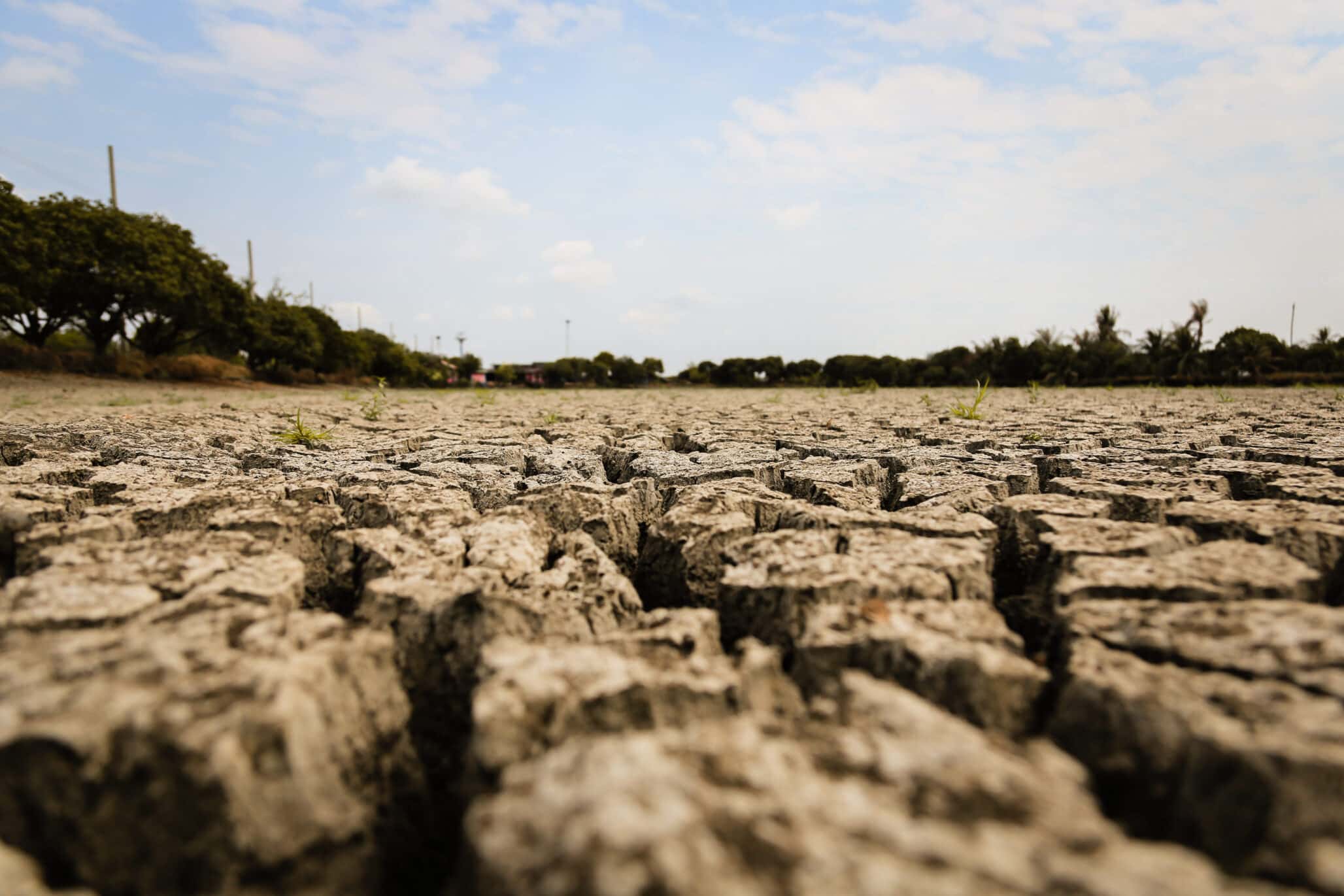
Climate change is affecting not only crop yields but also the nutritional quality of the food those crops produce.
In a review published in Nature, researchers from Ghent University and international partner institutions examine how genetic technologies could support the development of crops that contain more essential nutrients while better tolerating drought, heat, salinity and other climate-related stresses.
Staple Crops Provide Calories but Not Always Enough Nutrients
More than two billion people worldwide lack sufficient essential vitamins and minerals. This condition, known as hidden hunger, occurs when people consume enough calories but do not receive the nutrients required for good health, according to a press release.
Staple crops such as rice, wheat, maize, potatoes and cassava form the foundation of diets for billions of people. Although these crops provide essential energy, they may not contain enough vitamins and minerals to prevent nutritional deficiencies.
Research also indicates that climate change is reducing the nutritional value of several major food crops, adding another challenge for plant breeders and agricultural researchers.
Future Crops Must Meet Three Challenges
Professor Dominique Van Der Straeten of Ghent University and an international team of researchers examined how science could help crops deliver higher yields, improved nutritional quality and greater climate resilience.
Emeritus Professor Marc Van Montagu, a pioneer in plant biotechnology, is a co-author of the review.
The researchers argue that future crop development must address three challenges simultaneously: producing enough food, improving its nutritional value and strengthening its resilience to a changing climate.
“Future crops must combine higher yields with better nutritional quality and greater resilience to drought, heat and other consequences of climate change,” says Professor Dominique Van Der Straeten.
Combining Breeding and Genetic Technologies
The review explores how genetic technologies, including CRISPR-based genome editing, could increase vitamin and mineral levels in crops. These tools allow researchers to make precise changes to plant characteristics associated with nutritional quality and stress tolerance.
However, the authors emphasize that no single technology will provide a complete solution. Conventional plant breeding and other biotechnological approaches will remain essential to improving crop nutrition and resilience.
According to the researchers, the greatest progress will likely come from combining multiple scientific approaches and adapting them to specific crops, production systems and local growing conditions.
Building on Crop Nutrition Research
The review builds on decades of Ghent University research into improving the nutritional quality of food crops. The university is internationally recognized for its work on increasing vitamin levels in staple crops.
The authors hope the publication will bring greater attention to crop nutrition as a critical part of food security. As the global population grows and production environments become more challenging, crops will need to provide not only sufficient calories but also the nutrients required for healthy diets.