A wild wheat collected in the Fertile Crescent in 1978 helped breeders in Morocco, Syria and Lebanon develop durum varieties suited to local needs, from drought tolerance to grain for traditional burghul.
In 1978, botanist J.B. Lennart collected a wild wheat, Triticum araraticum, beside a remote farm in northern Iraq. The sample went into a genebank in the United States, where it was conserved for decades. Its value to wheat farmers became clear years later, when three Moroccan PhD candidates at Kansas State University saw in it a possible answer to problems back home.
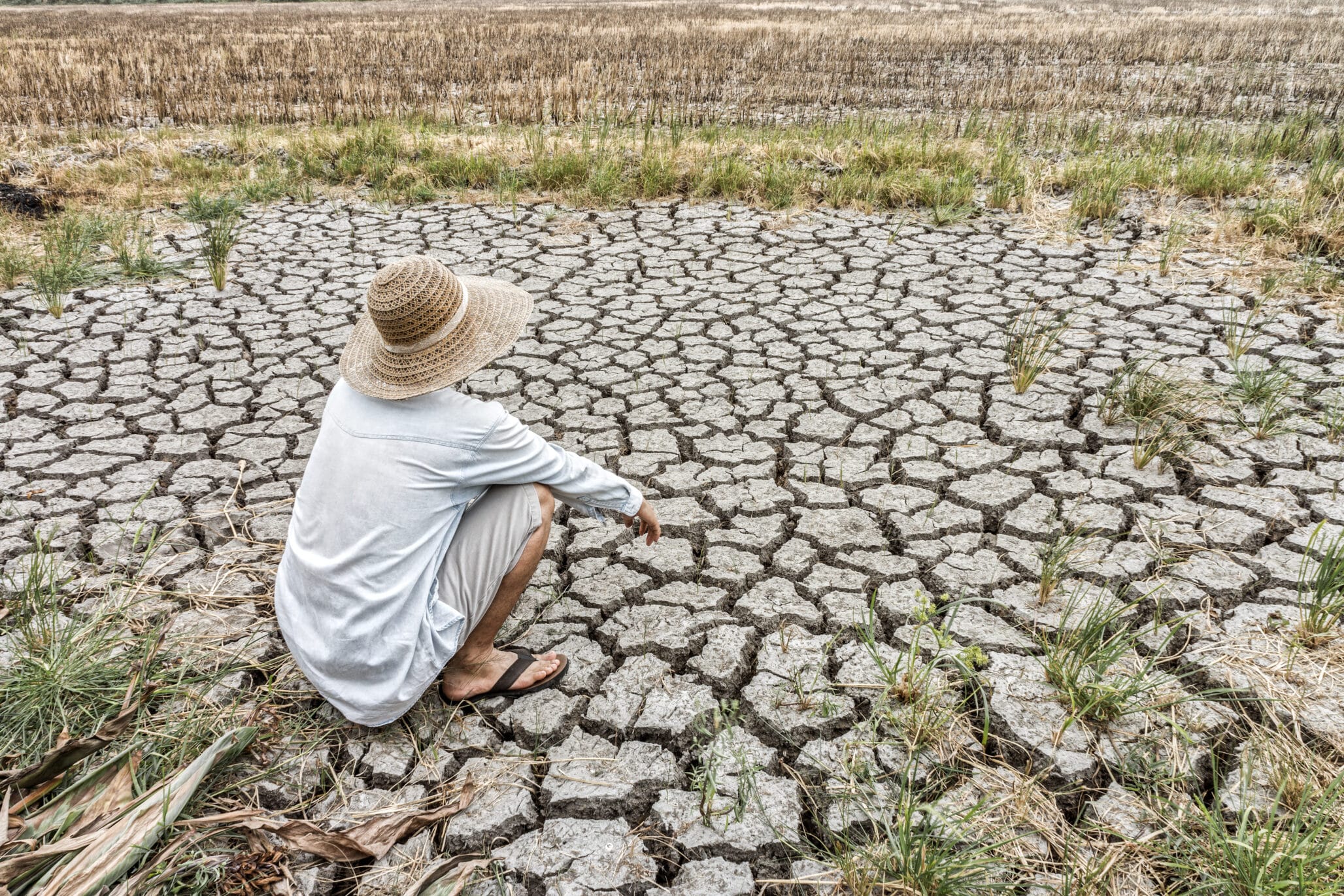
Moroccan wheat farmers were dealing with persistent drought and the Hessian fly, an insect that can cause severe yield losses. The three researchers saw that the wild wheat might carry traits that could help. After completing their PhDs, they brought it to Morocco and continued their research.
They shared what they had learned with Dr. Nachit, a Moroccan scientist working at the International Center for Agricultural Research in the Dry Areas (ICARDA) in Aleppo, Syria. He took a line descended from the wild wheat back to Syria and crossed it with high-yielding breeding lines. He called the work “ICA-MOR” (ICARDA–Morocco).
The wild wheat eventually contributed to three durum wheat varieties. ICARDA led the regional breeding work with national research partners through the Crop Trust’s BOLD project, with long-term support from the Government of Norway.
One Wild Wheat, Three Durum Varieties
Wild relatives of crops can carry traits such as drought tolerance and pest resistance. Breeders can draw on that diversity to develop varieties suited to the conditions farmers face. In this case, researchers in each country drew on the same wild ancestor to meet different needs, according to a press release.
In Morocco, the National Institute of Agricultural Research (INRA) developed ‘Jawahir’, whose name means “jewels” in Arabic. The variety combines drought tolerance with resistance to the Hessian fly. It is now under seed multiplication after showing promise in southern Morocco, where drought is a growing concern.
In Syria, the General Commission for Scientific Agricultural Research (GCSAR) developed ‘Cham 11’ for rainfed conditions. The variety has high yield potential and is valued for its grain quality. It is also under seed multiplication.
In Lebanon, the Lebanese Agricultural Research Institute (LARI) developed ‘Red Grain’, which farmers are already growing. The variety is valued for its yield in the Beqaa Valley and for its distinctive red grain, which is prized for making burghul, a traditional food in Lebanon.
“This shows how an original collection of wild relatives in the middle of nature, protected in genebanks, used by breeders, resulted in fantastic varieties that are now available to farmers to really help their livelihood. Three varieties. Three countries. Three different sets of farmers’ needs, all connected to the genetic diversity of one wild wheat collected decades ago,” says Dr. Filippo Bassi, principal scientist at ICARDA, BOLD’s lead partner for durum wheat.
Farmers Helped Choose What to Grow
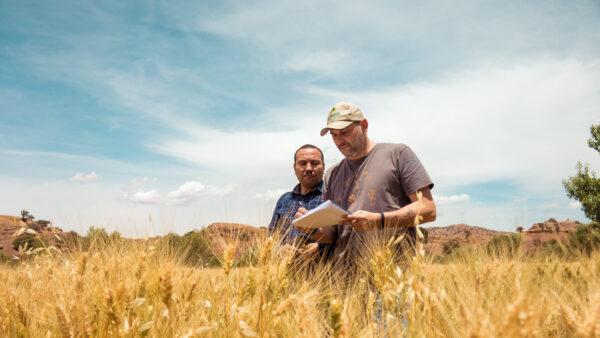
Researchers evaluated candidate lines in national trials and on farms. The on-farm trials showed how the lines performed under local growing conditions and gave farmers a say in which traits and lines they considered most promising.
“We establish agreements to plant in their farms to engage them in a participatory way, asking farmers what is good or bad about what we are showing. Sometimes we get the response we expect, but very often we don’t, and that is where we draw from the ancestral knowledge of farmers, better matching their own needs,” Bassi says.
In Lebanon, LARI tested breeding lines supplied by ICARDA and involved farmers in variety selection. Dr. Rola El Amil, head of LARI’s plant breeding department, says that partnership helps researchers develop varieties farmers are more likely to adopt.
“This kind of collaboration between ICARDA and national programs is very important for us. ICARDA provides us with its new derived lines, which we then test here in Lebanon in a participatory approach for variety selection. We are trying to put farmers at the center, providing them with the best solutions to help them adopt resilient varieties that will enhance their livelihoods.”
What Genebanks Make Possible
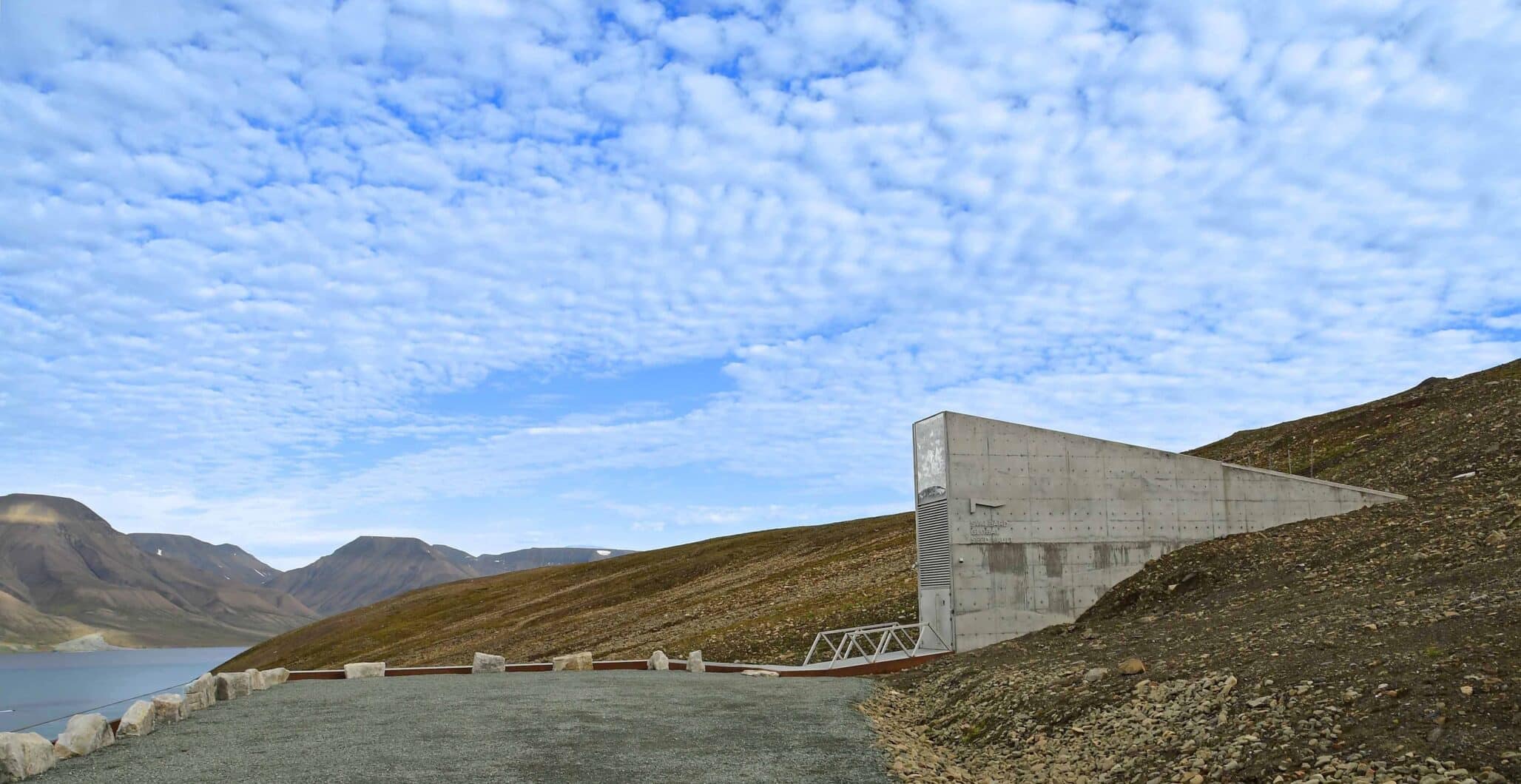
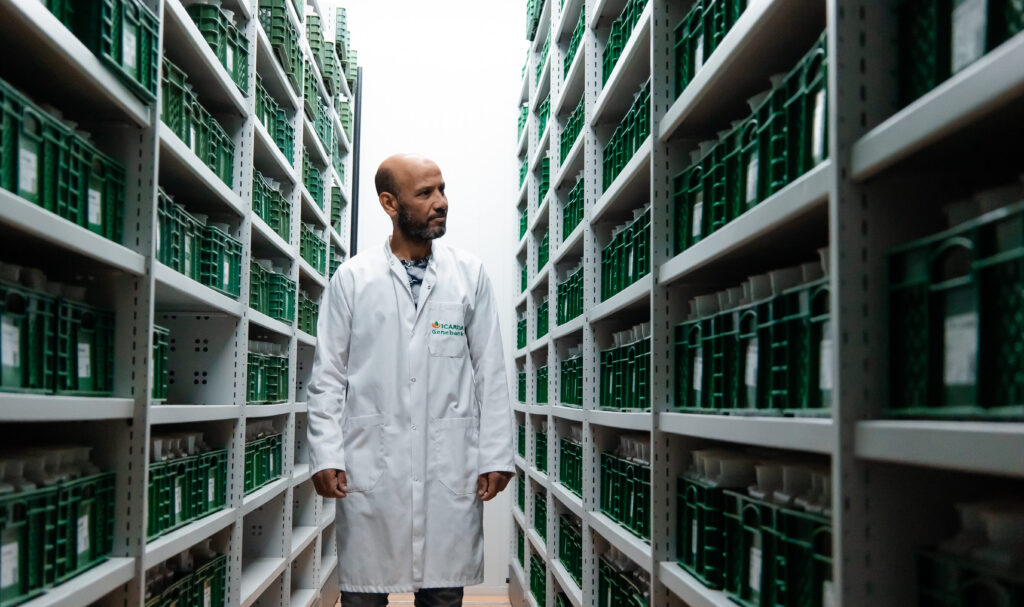
Conserving Triticum araraticum kept its genetic diversity available long enough for breeders to put it to use. Decades after the original collection in northern Iraq, farmers in Lebanon are growing one of its descendants, while researchers in Morocco and Syria are increasing seed supplies of two others. As drought, heat and pest pressures grow, the diversity held in genebanks gives breeders more material to work with.
“This is a story about collaboration across borders at a time when agriculture faces challenges that no country can solve alone. It shows that with the right long-term investment and collaboration, crop diversity conserved for decades can become part of the solution to a challenge we are facing today,” says Dr. Benjamin Kilian, BOLD project coordinator at the Crop Trust.