An Iowa State University analysis highlights the need to diversify resistance sources to protect soybean yields.
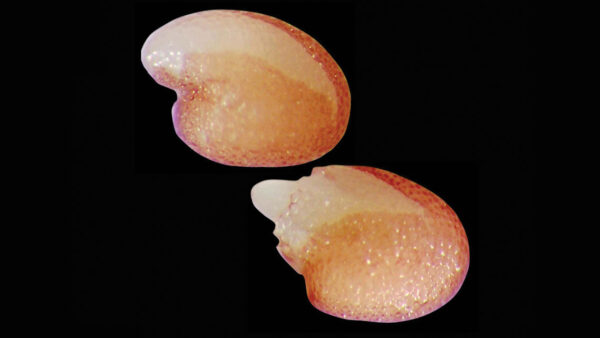
Soybean cyst nematode (SCN) is reproducing more successfully on PI 88788, the most widely used source of SCN resistance in soybean varieties, according to an analysis of Iowa State University field trials.
Published in Plant Health Progress, the study examined trials conducted across Iowa from 2001 through 2023. SCN populations’ ability to reproduce on PI 88788 increased approximately 2% annually.
If management practices remain unchanged, the analysis projects that PI 88788 could provide only about 40% control by the end of this decade, with average yield losses of approximately nine bushels per acre, according to a press release.
“It’s interesting that predictions we made nearly a decade ago proved remarkably accurate,” said Greg Tylka, Iowa State University nematologist and study co-author. “SCN populations continue to adapt to PI 88788 resistance, and if we don’t diversify how we manage the pest, farmers can expect that trend to continue.”
Monitoring Peking Resistance
Researchers found no significant statewide increase in SCN reproduction on Peking, the only other resistance breeding line currently used in soybean varieties available in Iowa. However, more individual trial fields showed elevated reproduction on Peking during 2016–2023 than during the previous 15 years.
“We cannot afford to repeat the mistakes made with PI 88788,” said Tylka. “Another wholesale shift to a single resistance source, like Peking, is likely to accelerate adaptation by SCN populations. The goal is long-term management that preserves the effectiveness of all available resistance sources.”
Diversifying Management
The findings support rotating soybean varieties with different resistance sources and incorporating nonhost crops and nematode-protectant seed treatments where appropriate. The SCN Coalition also encourages farmers to test soil after harvest to assess SCN populations.
“Soybean cyst nematode remains the most damaging soybean pathogen in North America, and it’s not going away,” Tylka said. “The good news is that farmers still have effective tools available today. By diversifying resistance sources and avoiding over-reliance on any one strategy, farmers can reduce risk and help protect soybean yields for years to come.”