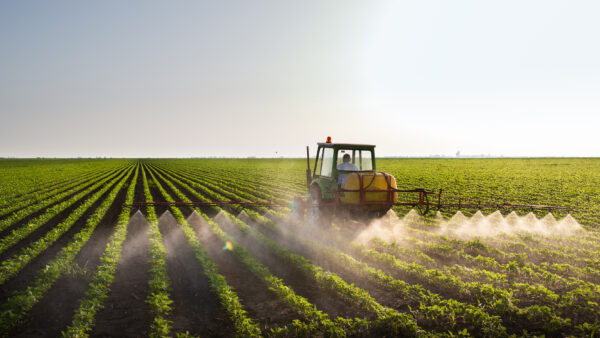
Darcy Pawlik sees a way to connect farmers and researchers with the investment, expertise and customers needed to commercialize new ideas.
One of the great strengths is our ability to produce high-quality commodities at scale and compete in markets around the world. We should continue building on that strength. But I also believe some of Canada’s most interesting opportunities will come from asking a different question:
Where can we create new value?
That question is increasingly shaping how I think about my role at Ag-West Bio and the opportunity ahead for Saskatchewan and Canada.
Our farmers understand global commodity markets better than almost anyone. They also understand diversification. They make decisions every year about where opportunity exists, where risk is changing and where a few acres today might become a meaningful crop tomorrow.
That entrepreneurial mindset should be central to how we think about Canada’s bioeconomy.
Some of our greatest opportunities may begin relatively small: a new crop, a different variety, a novel trait or a few thousand acres grown for a specific purpose. The initial market may be an ingredient, a food product, an industrial application, a biomaterial or something we haven’t traditionally associated with agriculture.
These opportunities matter precisely because they don’t have to begin at commodity scale. They give farmers, researchers and companies room to experiment. They allow us to prove agronomics, establish markets and build processing capacity before scaling. And they create opportunities for Canadian companies willing to take the risk of turning an idea into a business.
Those are companies we need to get behind.
Canada has tremendous scientific capability. Saskatchewan has exceptional agricultural research, geneticsand production expertise. But competitiveness ultimately depends on our ability to convert those strengths into products, companies, processing, intellectual property and markets.
That is where I see an important role for Ag-West Bio. Our job is not to pick a single crop, technology or solution. It is to help create the conditions where good ideas have a better chance of becoming commercial successes.
That means helping companies find capital and experienced mentorship. It means connecting them with researchers, farmers, testing capacity, regulatory expertise and potential customers. It means identifyingbarriers earlier and helping promising technologies navigate the difficult path from research through commercialization.
It also means being willing to invest in opportunities that carry risk. If we only support technologies, crops and companies after their markets are proven, we aren’t really building an innovation economy. Someone has tohelp create the conditions in which the next opportunity can be tested.
Farmers need to be part of that process from the beginning. They bring a commercial discipline that is sometimes missing from innovation conversations. Does it work? Can I grow it? Who wants it? What will they pay? Is the opportunity large enough to justify the risk?
Those questions should not come at the end of commercialization. They should help shape it.
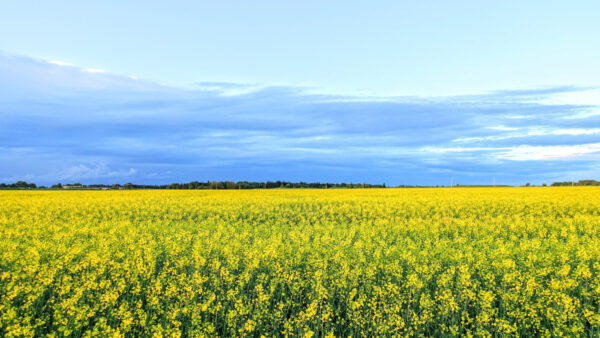
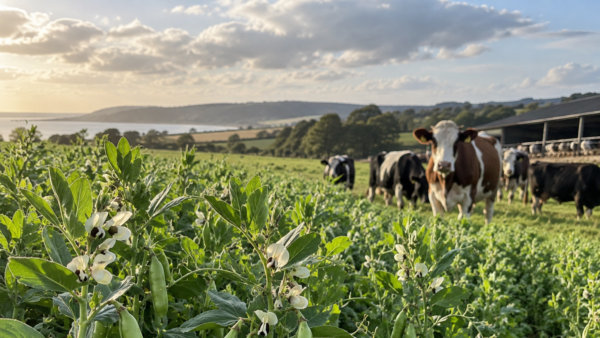
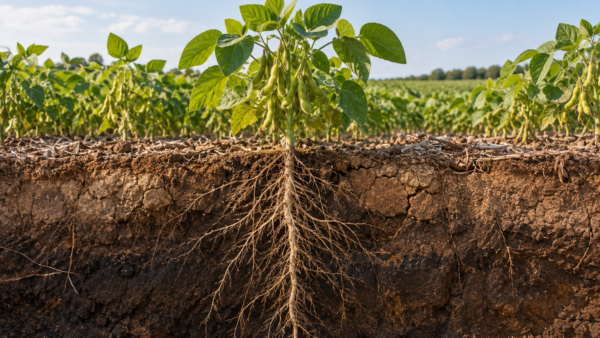
Diverse field crops offer an especially interesting opportunity. Saskatchewan already has the land, farmers, research capability and agricultural infrastructure. Building markets around crops with new nutritional, functional or industrial purposes could create value well beyond the farm gate.
Wheat can be part of that story too. Canada’s high-protein wheat is a tremendous asset, and greater market differentiation could help direct certain qualities toward customers and applications that value them most.
But the larger opportunity is diversification. Instead of relying exclusively on highly competitive global commodity markets, we can continue developing specialized markets where Canadian genetics, production, processing and technology create something customers specifically seek out.
That can create premiums for farmers, but the economic opportunity is much larger: new processing, new companies, new investment, new intellectual property and new exports.
And none of this can happen in isolation. Since joining Ag-West Bio, one of my priorities has been strengthening our relationships across Saskatchewan while engaging much more deliberately with partners across Canada. Our agricultural innovation system crosses provincial boundaries, institutional mandates and sectors. Our approach to competitiveness needs to do the same.
We are engaging nationally with governments, research institutions, innovation organizations, investors, industry and agricultural leaders because Saskatchewan should be an active contributor to Canada’s broader bioeconomy strategy.
At the same time, we need to stay grounded in what happens here. Organizations like Ag-West Bio can be connectors between science and commercialization, Saskatchewan and Canada, and promising ideas and the people capable of turning them into businesses.
Canada doesn’t lack ideas. What we need is a system increasingly capable of moving the best ones forward.For me, that is what competitiveness looks like. Back the farmer willing to try something different. Back the researcher pursuing a new possibility. Back the company willing to take the risk of creating a market that doesn’t exist yet. Then connect them to the capital, expertise, infrastructure and customers required to succeed.
Some of those bets will remain small. Some won’t work. But some may become the next crop, company or industry that Canada becomes known for. That’s how we grow a bioeconomy.