The former ambassador to the U.S. believes producers themselves are among the industry’s most powerful advocates as governments make decisions affecting trade, research and competitiveness.
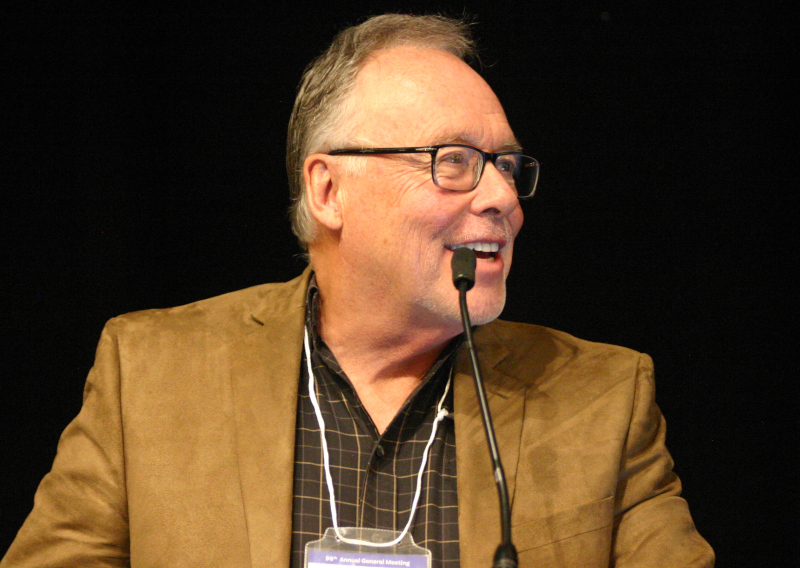
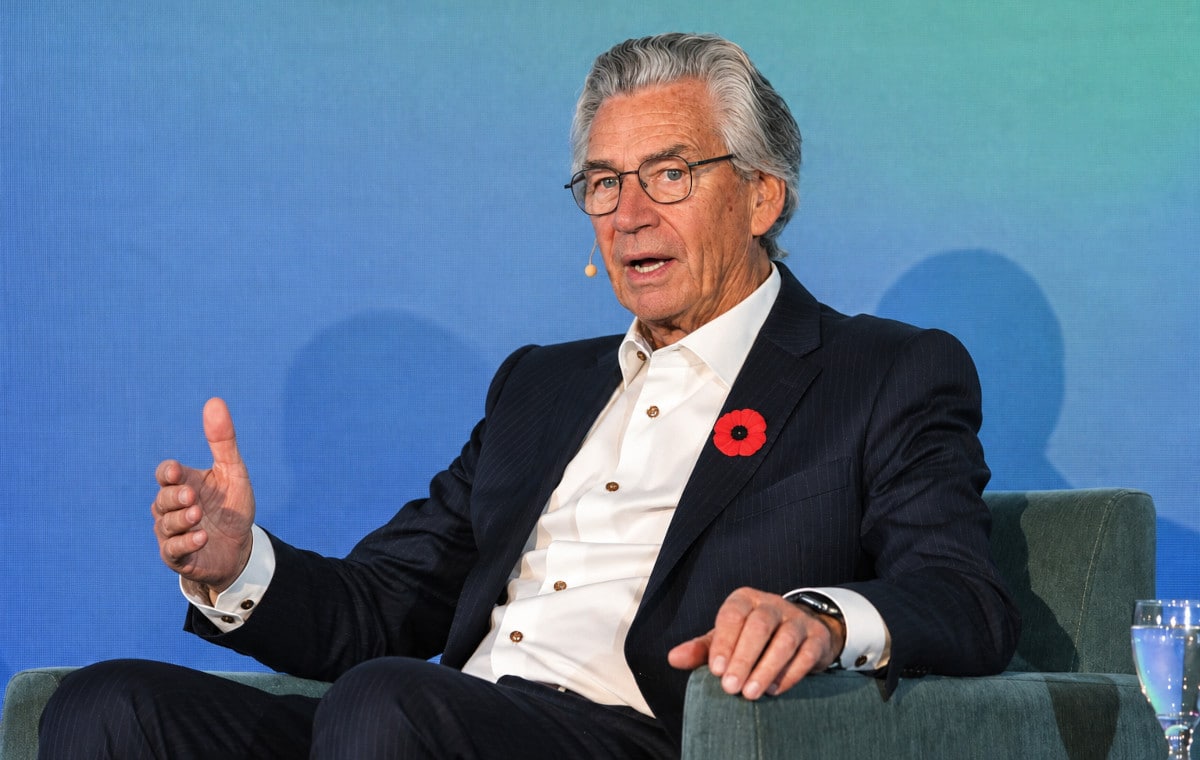
Canada’s agricultural industry may have an opportunity to regain some ground in its increasingly complicated relationship with the United States, but former Manitoba premier and Canadian ambassador Gary Doer says success will depend on understanding how American politics is changing — and making sure agriculture is part of the conversation.
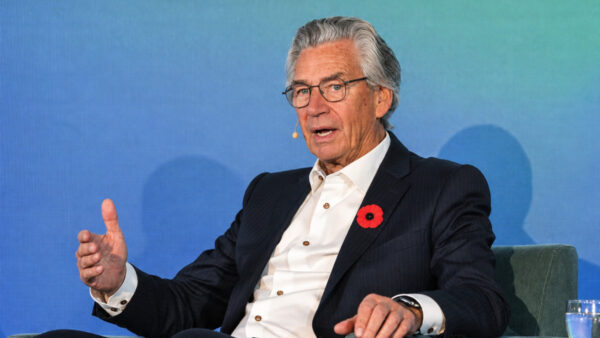
Speaking Nov. 5 at the EMILI Agriculture Enlightened conference in Winnipeg, just two days after the U.S. midterm elections, Doer suggested that the Democrats’ victories in both the House of Representatives and Senate could create an opening for greater cooperation on trade.
For Canada’s seed industry, the timing is particularly important. Seed companies, breeders and growers are making decisions in an environment where tariffs, international market access and geopolitical tensions can affect the economics of crop production long before a seed goes into the ground.
Doer believes the election results could improve that environment.
“I think this election will allow us to come up better than we were prior to the election,” he told attendees.
His reasoning has much to do with the political importance of agriculture in the United States.
“On agriculture, it’s a really important topic in every one of the swing states,” he said, noting that many agricultural states have significant economic relationships with Canada.
Those relationships, he argued, could become more important as American lawmakers reassess trade policies that have affected businesses, workers and consumers on both sides of the border.
Tariffs Could Face a Different Political Reality
One of Doer’s strongest criticisms of the Trump administration’s approach to tariffs was that political announcements sometimes appeared to come before adequate consideration of the economic consequences.
“One of the things that surprised me with tariffs, particularly in the last period of time, was that there didn’t seem to be, beyond the kind of bravado about them, there didn’t seem to be a due diligence going into tariffs,” he said.
He pointed to tariff decisions affecting Bombardier’s operations in Wichita, Kansas, as an example of the potential consequences for American workers.
Doer argued that tariffs had become an election issue in agricultural and manufacturing states, particularly when voters connected trade disruptions with rising costs.
He now sees an opportunity for lawmakers from both parties to examine those consequences more carefully.
“There’ll be a lot more sensitivity,” he said.
For the Canadian seed sector, that distinction is important. Trade barriers do not have to target seed directly to affect the industry. Anything that increases the cost of agricultural equipment, disrupts crop exports or reduces farm profitability can influence growers’ purchasing decisions and the demand for new varieties.
A more predictable trading relationship would also help seed companies and plant breeders whose investment decisions extend years beyond any single election cycle. But Doer did not suggest that the election means an immediate return to unrestricted trade. President Donald Trump remains in office, and the administration retains substantial authority over trade policy.
Rather, Doer’s message was that the political calculation surrounding tariffs may be changing.
China Remains Essential — But Canada Must Be Careful
The discussion also turned to China, another country whose trade decisions have had significant consequences for Canadian agriculture.
The timing was notable. Just one day before Doer’s appearance, Canada and China announced an extension of favourable market access for Canadian canola meal, peas and several seafood products through the end of 2028.
For canola meal specifically, the agreement extends the suspension of China’s 100% retaliatory tariff. The Canola Council of Canada welcomed the development as an important source of certainty for producers planning their 2027 crops.
Doer said Canada should preserve its agricultural relationship with China, even while recognizing the political sensitivities involved in maintaining close economic ties with a country viewed differently in Washington.
“I think we should keep the channels of communication and cooperation open with China,” he said.
At the same time, he cautioned against creating unnecessary tension with the United States.
“I do think, though, we shouldn’t be perceived by the Americans as a one-trick pony with a country that they’re more worried about than we are.”
Doer drew on his experience in Washington, recalling how political candidates in several American states used their opponents’ perceived relationships with China as an election issue. He emphasized that Canadian premiers must understand those sensitivities when dealing with their American counterparts.
“By the way, the governors make more economic decisions than, a lot of the times, the Senate and the House,” he said.
For seed companies, the broader issue is the relationship between market access and innovation. Plant breeding programs and seed production systems depend on long-term investment, but the profitability of the crops they support can change suddenly when international markets close.
Canola is an especially relevant example. Developed through Canadian research and breeding, it has become one of the country’s most important agricultural exports. Yet the industry’s fortunes remain closely connected to trade decisions made outside Canada.
Doer sees value in keeping international relationships functioning rather than allowing political disagreements to interrupt established agricultural trade.
“On agriculture, I think that we’ve got a good cooperative relationship, and we should keep that because it’s good for our economy and good for our producers.”
A Lesson From Trump’s Own Trade Agreement
Doer also offered some advice for Canadians preparing for further discussions about the Canada-United States-Mexico Agreement, commonly known as CUSMA. He reminded the audience that Trump himself negotiated the agreement during his first presidency and enthusiastically promoted it.
“He called it the best trade agreement in the history of the world,” Doer said.
Doer’s argument was that Canadian officials should remind American audiences of Trump’s original endorsement rather than framing every discussion as a confrontation. He suggested the president’s enthusiasm for political messaging can be useful to negotiators who understand it.
“The key advice when you’re negotiating with Donald Trump is figure out what bumper sticker you can give him without costing you any or much.”
That approach, Doer suggested, means looking for opportunities to reach practical agreements rather than allowing political rhetoric to overwhelm economic interests. His message was simple when discussing opportunities to remove trade barriers.
“If somebody offers you to get rid of a tariff, you take it.”
For an industry in which Canadian and American businesses have longstanding relationships in crop production, seed development and agricultural technology, maintaining those connections is particularly important.
Why Agriculture Struggles to Get Ottawa’s Attention
Perhaps Doer’s most relevant message for the seed industry came when the discussion moved away from international politics and toward agriculture’s place in Canadian policymaking. Asked why agriculture often struggles to receive the same attention as defence, advanced manufacturing and other national priorities, Doer acknowledged the difficulty.
“I do believe it’s sometimes a tough discussion in Ottawa,” he said.
His advice was not to rely exclusively on industry organizations, policy specialists or government relations professionals. Instead, he argued that decision-makers need to hear directly from the people producing Canada’s food.
“I think it’s better to take agricultural producers with you to Ottawa to talk to the various decision makers,” he said. “You should come there with people that are on the ground doing the work, bringing in the crops, helping all of us get fed.”
Doer said that during his years in government, he made a point of including farmers in discussions about agricultural policy.
“I never went to Ottawa for farm discussions without farmers.”
He followed that observation with a line that drew on his trademark humour.
“It’s better to take a farmer to Ottawa than a mathematician.”