The five-year GreenControl project is testing sensors, cameras and algorithms in tomatoes and lettuce, aiming to reduce energy use by 25% and energy costs by 35%.
Measuring how crops respond to growing conditions could help greenhouse growers manage heating, ventilation and lighting more precisely, reducing energy consumption while maintaining production and quality.
That is the goal of GreenControl, a five-year project bringing together Wageningen University & Research (WUR), three other Dutch technical universities and industry partners, including growers, technology developers and plant breeders.
The researchers are investigating how plant measurements can guide greenhouse climate decisions. The project focuses on tomatoes and lettuce, with potential applications in strawberries, cucumbers, sweet peppers and cut flowers.
Using Crop Activity to Guide Climate Control
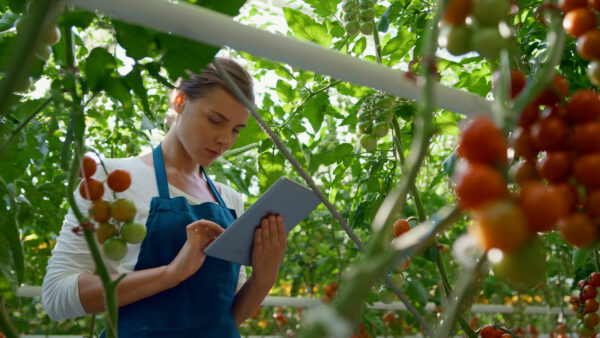
Greenhouse growers routinely adjust temperature, humidity and lighting to support crop growth. However, conventional monitoring may provide an incomplete picture of conditions across a greenhouse and how plants are responding.
“One limitation of current control systems is that the greenhouse climate is measured at a single location using one sensor unit. Yet conditions are not the same throughout the greenhouse. Nor does this tell you whether those conditions meet the plant’s precise needs at that moment,” says Leo Marcelis, Professor of Horticulture and Product Physiology at WUR.
Monitoring plant activity could help growers make more targeted adjustments.
“If you know how active a plant is, you also have a better idea of what it needs. You can then use that information to control the greenhouse climate much more precisely. This could help growers save energy and reduce costs.”
Growers often maintain safety margins to prevent cold or humid conditions that could threaten crop health. A more precise understanding of plant needs could help reduce the energy required to maintain those margins without harming the crop
Finding the Right Combination of Sensors
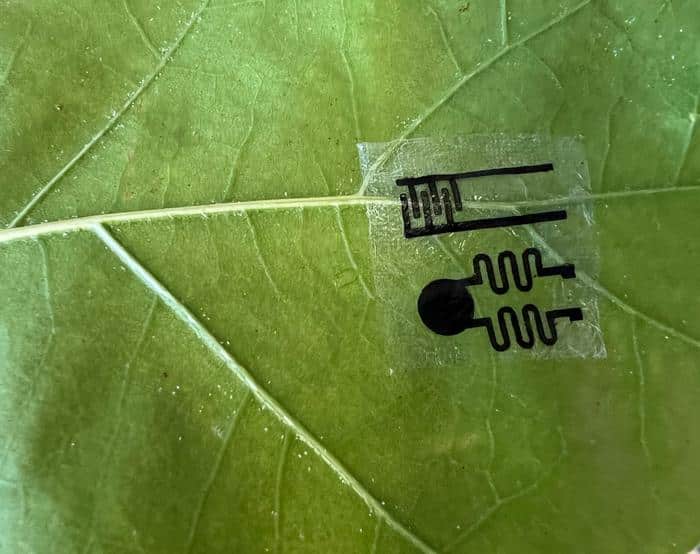
GreenControl is testing combinations of technologies that measure photosynthesis, air movement and transpiration, alongside thermal cameras and cameras that track plant growth.
Most of these technologies already exist. The challenge is determining how to combine them into a system that provides useful information at a practical cost, according to a press release.
“Too few measurements may provide an incomplete picture, while too many sensors make the system more expensive and complex. That is why we are looking at what can be measured with a limited number of sensors and cameras, as well as what is possible with a more extensive combination,” Marcelis says.
The researchers will assess where equipment should be positioned and how many plants must be monitored per hectare to represent the crop accurately. They will also investigate how to identify the factors behind reduced plant activity, including temperature, light, humidity or combinations of these conditions.
Maintaining reliable measurements presents another challenge. In warm, humid greenhouses, equipment can become dirty, move out of position or produce less accurate readings over time.
Targeting Lower Energy Use and Costs
The project aims to reduce energy consumption by 25% and energy costs by 35%. These are research targets, with crop production, quality and health central to assessing what is achievable.
Alongside reducing consumption, researchers will explore whether growers can adjust energy use to take advantage of periods when electricity is cheaper.
“When it is sunny or windy, energy is often cheaper. Prices are also often lower on Sundays. By adapting cultivation accordingly, growers can save money while also reducing pressure on the electricity grid. An important question is how far we can go without compromising production, quality or plant health,” Marcelis says.
Turning Crop Data Into Practical Decisions
For plant monitoring to become useful in daily production, the data must translate into clear recommendations for greenhouse management.
GreenControl will therefore examine how systems explain proposed adjustments to heating, ventilation and lighting, helping growers understand the reasoning behind each recommendation.
“Growers need to understand why the system recommends adjusting the heating, ventilation or lighting. Only then can growers develop confidence in the technology. That would pave the way for the next step: fully automated control. Before we can take that step, however, we first need to ensure that the system is robust.”
The project brings together WUR, Delft University of Technology, Eindhoven University of Technology and the University of Twente. Industry and organisational partners include Ridder, KUBO Group, Glastuinbouw Nederland, INFO – Digital Decoded, the Jan IngenHousz Institute, Growy, Sigrow, KWS Group, Ledgnd and B-Mex.