South Dakota State University researchers are developing a free tool that uses smartphone and drone images to measure wheat traits, estimate yield potential and assess disease.
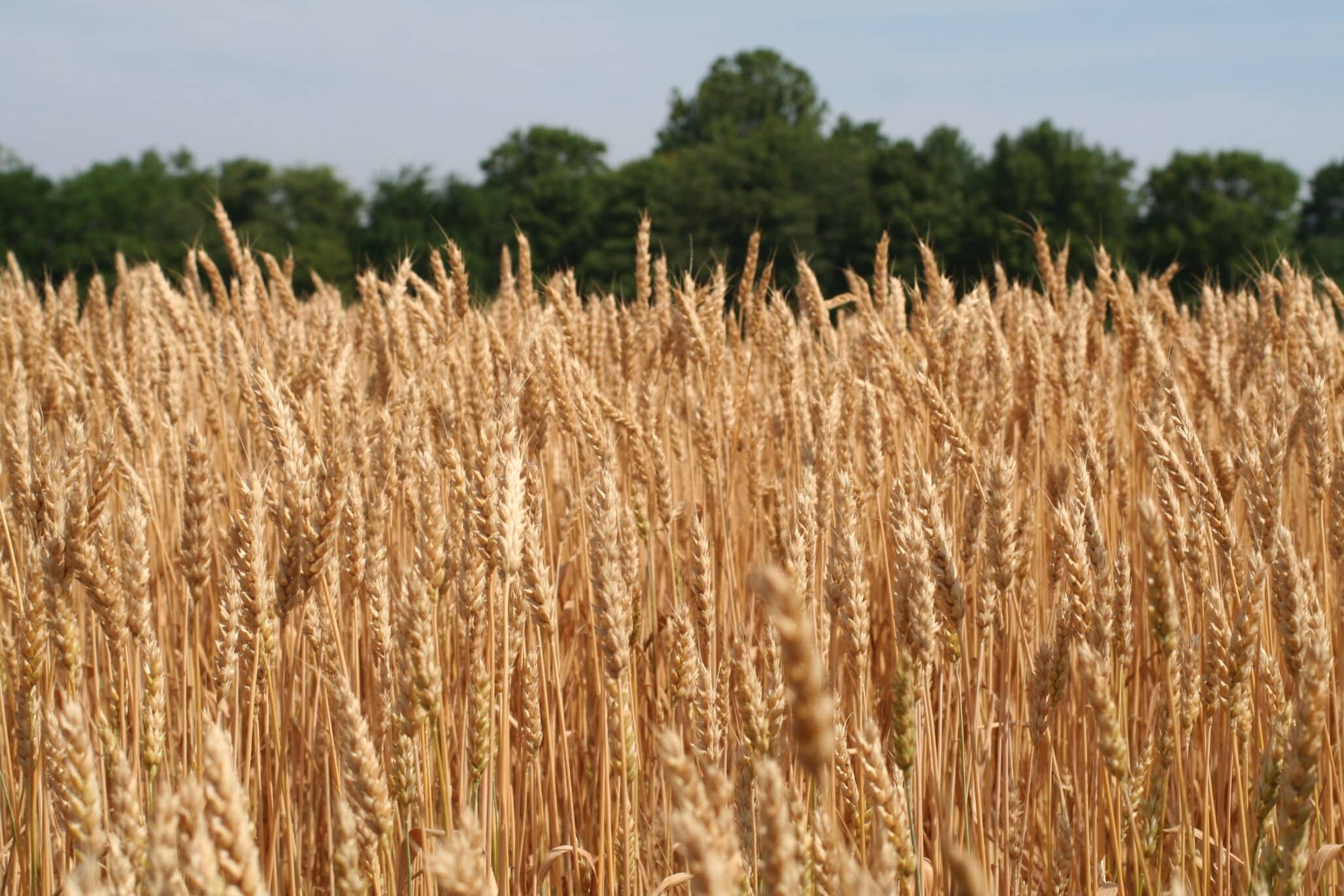
Counting kernels on a wheat head or tillers on a plant takes time. For breeders evaluating hundreds of wheat lines, that manual work limits how many plants they can assess. Farmers face a similar challenge when they count heads in a few spots to estimate the yield potential of an entire field.
Researchers at South Dakota State University (SDSU) are developing WheatAI to automate some of those measurements. The web-based prototype can currently assess nine plant traits. The team plans to add another 10 to 12 before a tentative public launch in 2028.
Building WheatAI With Photos From South Dakota Fields
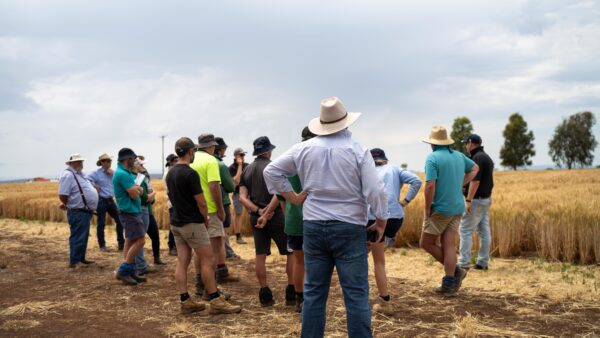
SDSU professor and wheat breeder Sunish Sehgal began collecting images of winter wheat in 2022. The project drew on smartphone and drone photos taken at five points between May and July. The images came from SDSU research farms near Pierre and Brookings and from farmers’ fields in Winner and Hayes.
In 2025, Sehgal and Maitiniyazi Maimaitijiang, an assistant professor in SDSU’s Department of Geography and Geospatial Sciences, began developing a working prototype with graduate students. The project combines Sehgal’s expertise in wheat breeding and genetics with Maimaitijiang’s work in remote sensing, artificial intelligence and computer vision. The team is developing the tool to estimate yield potential from plant traits and assess disease, including damage caused by Fusarium fungi, according to a press release.
Helping Breeders Screen More Wheat Lines
Breeders can sequence a plant’s DNA accurately and at relatively low cost. Measuring how its genetics translate into observable traits, a process called phenotyping, often still takes hours of manual work. Some assessments also depend on who is doing the scoring. Two researchers looking at the same wheat head, for instance, might rate its disease severity differently.
“However, the camera always looks at it the same. It takes the bias out,” said Sehgal, who joined SDSU in 2014 after working as a research scientist at Kansas State.
The team is also exploring whether WheatAI can assess stomatal traits. Stomata are tiny pores that regulate gas exchange and water loss. Automated image analysis could allow breeders to measure these traits across many more samples.
“Finding something good is always a numbers thing. The more wheat lines we could screen, the higher the chance to find something useful.
“Further, WheatAI would increase accuracy. Which is more accurate, an analysis made with 500 images or one with manual estimation of five stomata? With this technology, it becomes feasible to rapidly process a large number of images and have an accurate analysis within a short period of time,” he said.
Using Field Photos to Inform Harvest Decisions
Farmers estimating yield potential may count heads per square foot by hand at a few locations. Sehgal said that with WheatAI, a farmer could upload 10 to 20 photos from across a large field and get an automated head count per square foot. The usefulness of that estimate would depend on how well the photos represent the field and how accurately the model counts the heads.
Sehgal said the tool could help farmers decide earlier whether to take a wheat crop to grain harvest or cut it for silage. It could also help them assess how many kernels in a harvested sample show Fusarium damage.
Making Wheat Phenotyping Freely Available
The researchers plan to make WheatAI free to use when it launches, giving breeders, researchers, students and farmers access to the same image analysis tools.
“Nothing like this exists in the world that is free. We intend to democratize phenotyping and send it to the last mile so that the farmer and students can use it freely,” Sehgal said.