The Canadian Wheat Research Coalition says AAFC funding reductions threaten variety development and long-term competitiveness of Canada’s $11.5B cereal export sector.
A new report released today by the Canadian Wheat Research Coalition (CWRC) warns that Canada’s wheat breeding innovation system is facing “critical gaps and risks” following historic and recent federal budget cuts to Agriculture and Agri-Food Canada (AAFC).
The report, Securing the Future of Wheat in Canada, concludes that the backbone of Western Canada’s wheat breeding system — AAFC’s breeding program — is under increasing pressure, potentially jeopardizing the long-term competitiveness of Canada’s largest field crop.
AAFC-developed varieties dominate Canadian wheat production. On average, 80% of all wheat acres in Canada are seeded with AAFC varieties annually, according to the report. In 2025, AAFC varieties accounted for 90% of Canadian Western Red Spring (CWRS) acres, 64% of Canadian Western Amber Durum (CWAD), and 69% of Canada Prairie Spring (CPS) wheat acres.
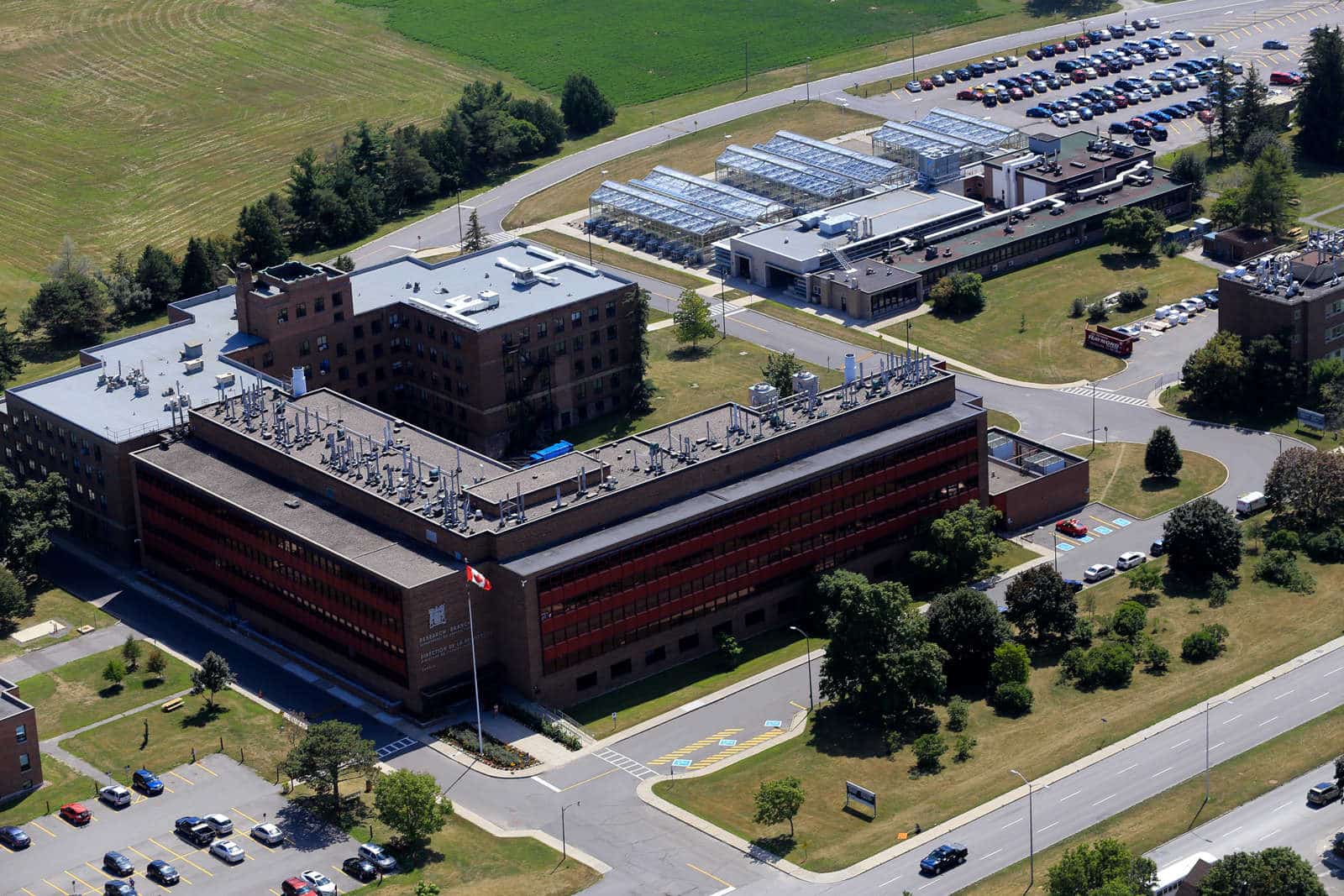
The top four CWRS varieties planted in 2025 — AAC Brandon, AAC Wheatland, AAC Starbuck and AAC Viewfield — were all developed through AAFC’s Swift Current breeding program.
Yet despite its central role, AAFC’s wheat breeding capacity has been reduced significantly over the past two decades.
Two Decades of Shrinking Investment
Federal investment in AAFC has steadily declined, with two major cuts reshaping the system:
- The 2012 Deficit Reduction Action Plan reduced AAFC’s budget by 12%, leading to closures and reduced activities at major cereal research sites and the loss of 60,000 test plots.
- The 2025 Comprehensive Expenditure Review announced a further 15% budget reduction between 2026 and 2029, including a $112-million cut in 2026–27, 665 job losses, and the closure of key research centres and farms.
The CWRC review found that while foundational science and germplasm enhancement remain functional, the system now faces “critical gaps and risks” in two pivotal stages: variety development and pre-market evaluation & testing.
Insufficient testing capacity is limiting the number of varieties that can enter adaptation trials. Farmers are seeking more localized trial data to make informed decisions, but infrastructure constraints are creating bottlenecks, the report says.
Decisions Today Shape 2037’s Wheat Crop
Wheat breeding is inherently long-term. The report highlights that the most widely grown CWRS and CWAD varieties in 2025 originated from breeding crosses made between 2001 and 2009. On average, it takes 13 years from initial cross to commercial release. That means breeding decisions made today will determine the wheat varieties farmers plant in 2037.
“Wheat breeding is a long-term process and decisions made today will impact agriculture decades into the future,” the report states.
With Canadian cereals valued at $11.5 billion annually in export revenue, the implications extend well beyond Prairie farms to national trade competitiveness.
Farmers Investing — and Expecting Results
Western Canadian farmers have significantly increased their financial commitment to wheat breeding through the CWRC.
Since 2020, the coalition has invested $70.5 million into AAFC and university breeding programs. That includes a $19.9-million investment into AAFC breeding between 2025 and 2028. The return on those investments has historically been strong. According to a University of Saskatchewan study cited in the report, farmers received $33 in benefits for every dollar invested in wheat breeding between 1995 and 2020.
However, the coalition argues that maintaining the status quo is not an option.
“Status Quo Is Not an Option”
The report concludes that Western Canada’s wheat breeding innovation system must be reimagined to close funding and capacity gaps while protecting farmers’ long-term investments.
The CWRC is currently exploring structural options with AAFC and engaging stakeholders across the system to ensure that:
- Critical gaps in the breeding continuum are filled
- Farmers receive superior, field-ready varieties
- Investment returns remain strong
- Long-term breeding capacity is protected
“The future of wheat breeding in Canada is in the hands of farmers,” the report concludes.
With climate pressures intensifying, global competition increasing, and a 13-year development cycle shaping the next generation of varieties, today’s funding and policy decisions may determine whether Canada remains a global wheat leader — or risks losing ground.
You can download the full report at the CWRC website.