Preserving research infrastructure alone won’t solve the deeper challenges facing Canadian agricultural innovation.
Canada’s seed and innovation ecosystem is sending a message this week — and it’s remarkably consistent.
Whether it’s Parliament pushing back against federal research station closures, wheat and barley breeding organizations calling for a new innovation framework, or Ottawa modernizing Plant Breeders’ Rights regulations, the underlying theme is impossible to miss: Canada is finally confronting the reality that agricultural innovation infrastructure cannot be taken for granted.
But there’s an important caveat here.
Even if Ottawa ultimately reverses the AAFC research centre closures — and at this stage, that remains a very big “if” — restoring those facilities would not solve the deeper structural problems facing Canada’s breeding and innovation system. At best, it would buy the sector some time while governments, producer groups and industry work through the far more difficult task of modernization.
That distinction matters.
Over the past several years, concern over federal breeding capacity has often focused on preserving what already exists. That’s understandable. Public breeding programs remain foundational to Canadian agriculture, particularly in cereals and other broad-acre crops where long-term investment cycles and public-good research still play an outsized role.
But preserving yesterday’s system is not the same thing as building tomorrow’s system.
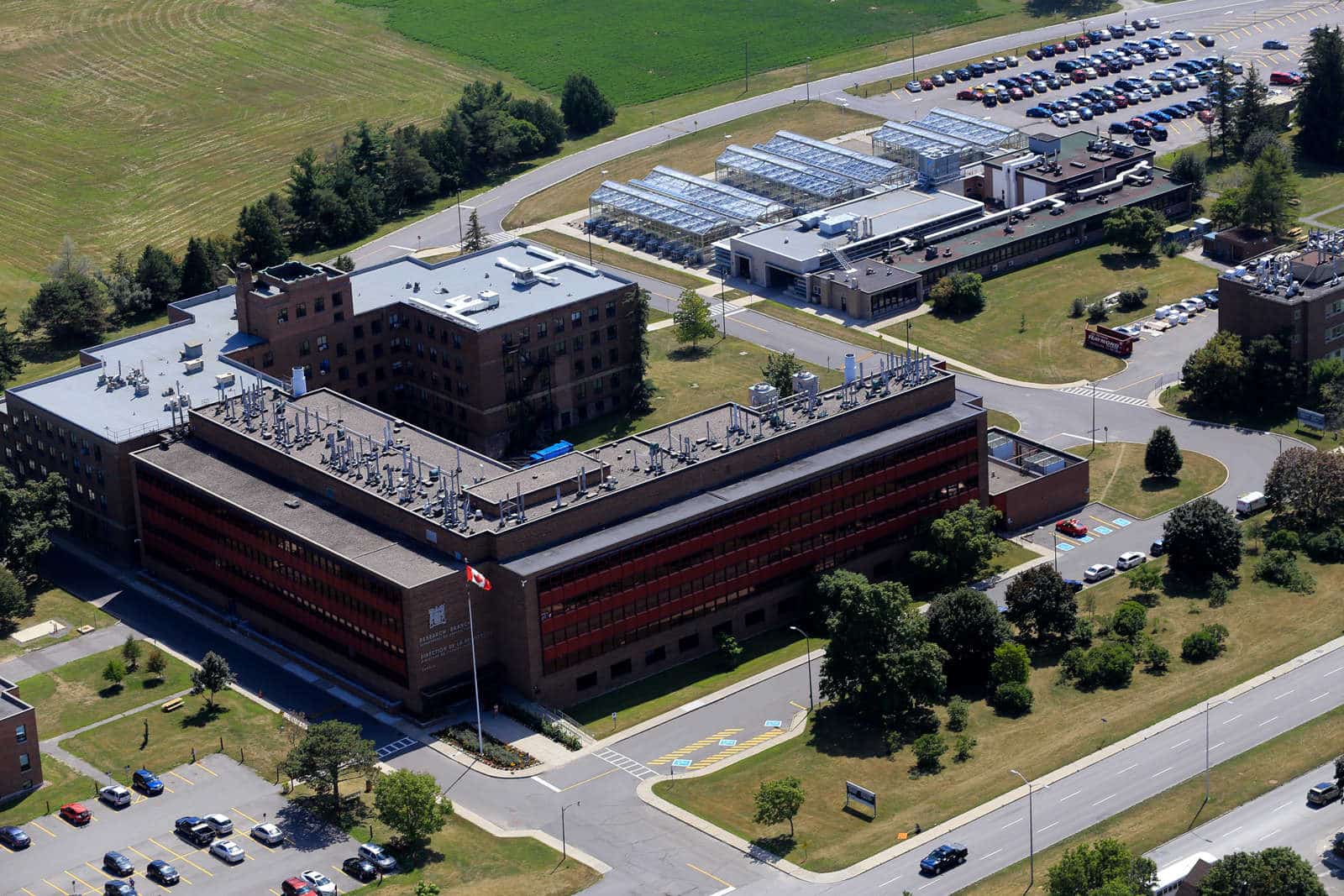
The parliamentary agriculture committee’s call to reverse research centre closures reflects growing recognition that Canada cannot continue hollowing out public research capacity without consequences. Breeding programs depend on continuity, expertise and decades of accumulated knowledge. Once scientific teams disperse or infrastructure disappears, rebuilding it becomes extraordinarily difficult.
Still, simply restoring funding or reopening facilities would not address the bigger issue: Canada’s innovation framework has been struggling to adapt to a rapidly changing global breeding environment.
That’s exactly why this week’s announcement from western wheat and barley breeding organizations feels so significant. Their call for a new vision for innovation acknowledges openly what many across the sector have quietly understood for years — the current system is under increasing strain.
The old model, built around strong public breeding leadership supported by producer funding and incremental private investment, delivered enormous success for decades. But the economics of modern plant breeding are changing. Advanced genomics, gene editing, data-driven selection tools and global competition require larger, faster and more coordinated investment systems than Canada has traditionally relied upon.
The challenge now is figuring out how to modernize without abandoning the public-interest foundations that made Canadian breeding globally respected in the first place.
That’s where the updated Plant Breeders’ Rights regulations enter the conversation — although here too, context matters.
The federal government’s latest PBR changes are meaningful, but they primarily benefit the horticulture sector, where stronger intellectual property protections and royalty enforcement mechanisms have already become more normalized and widely accepted. In many ways, horticulture has moved more quickly than the broader seed sector in adapting to modern global breeding realities. That contrast is telling.
While horticulture has generally embraced stronger IP frameworks as necessary tools for attracting investment and accelerating innovation, parts of the broad-acre seed sector have remained far more cautious, particularly around producer concerns over royalties, seed saving and value capture models.
Those tensions are understandable. Broad-acre agriculture operates on entirely different economic scales than horticulture. But the result is that Canada’s cereals and field crop systems have often moved more slowly on modernization discussions that other sectors settled years ago.
And that leaves Canada in an uncomfortable middle ground.
We have world-class agricultural potential and internationally respected breeders, but we continue debating how innovation should be funded in an era where breeding costs are escalating globally. We recognize the need for stronger investment while still struggling to build consensus around the mechanisms required to support it. That’s why this week’s developments matter collectively.
Research station debates, breeding system reform and PBR modernization are not separate conversations. They are all symptoms of a larger reckoning underway about how Canada intends to compete in agricultural innovation over the next 25 years. Reversing cuts alone won’t fix that. Nor will regulatory tweaks in isolation.
What Canada ultimately needs is a coordinated modernization strategy that aligns public research, producer investment, private breeding incentives and policy frameworks into something more durable and globally competitive.
The good news is there appears to be growing recognition across government, producer groups and industry that standing still is no longer an option. The harder part comes next: agreeing on what modernization actually looks like. Because preserving the past may buy some time. But it won’t secure the future on its own.