The new president of the Canadian Seed Growers’ Association says trust, collaboration and practical leadership will be critical as the Canadian seed sector navigates regulatory change and emerging technologies.
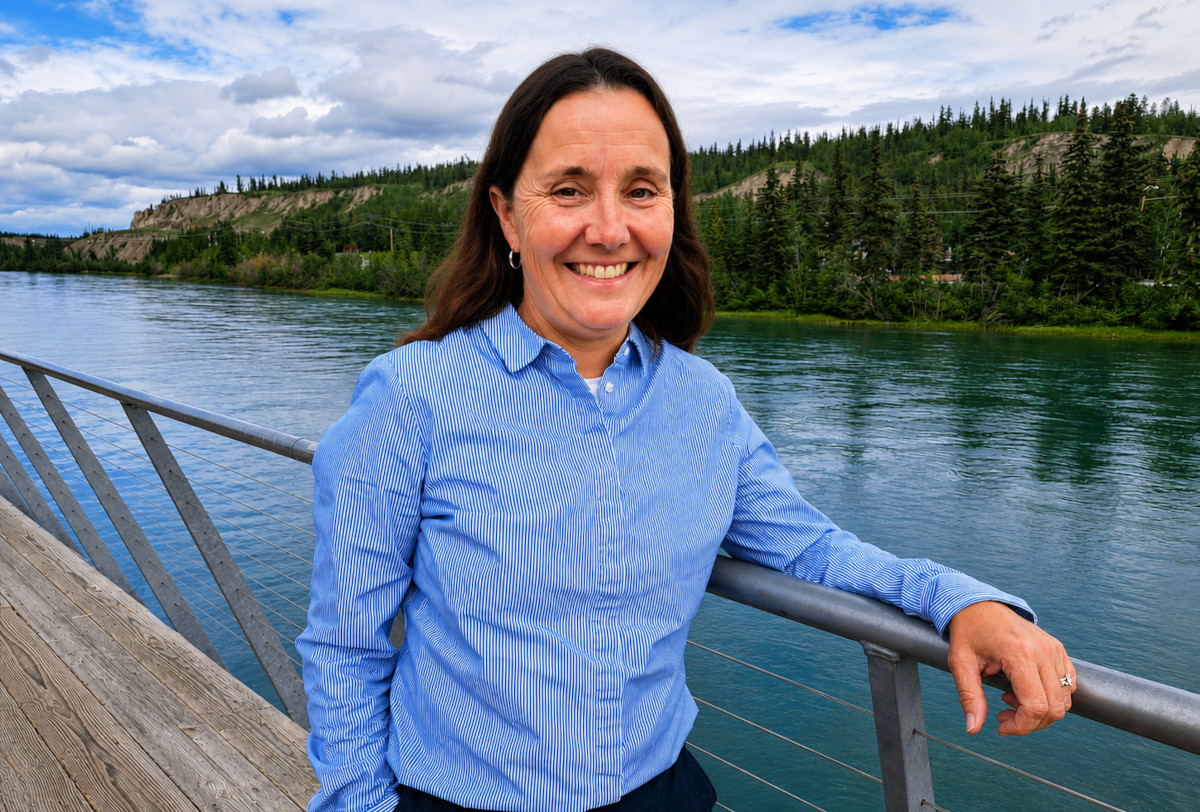
On our farm near Belgrave, Ont., my husband Blair and I have learned that nobody succeeds on their own.

We grow pedigreed soybean and cereal crops, run a beef cow-calf operation and keep a flock of sheep, but not one of those things happens without our veterinarian, our nutritionist, our mechanics and a whole network of people who help make it work. Agriculture is a team sport. I’ve carried that lesson into everything I do.
That’s the perspective I’m bringing to my role as president of the Canadian Seed Growers’ Association (CSGA). Elected at this week’s AGM in Whitehorse, I’m stepping into this position at a moment when the seed sector has no shortage of important conversations to navigate: regulatory modernization, new technologies, changing markets, and the challenge of attracting the next generation into agriculture.
My priorities are straightforward: strengthen relationships, create more opportunities to work together, and make sure we’re actually listening to one another.
I’ve always believed that it doesn’t matter how big or small of an operation you are, everyone has something valuable to contribute. There is a wealth of knowledge throughout our sector, and if we’re willing to listen to each other, we can accomplish a lot more together than we ever could on our own.
That’s why strengthening relationships will be a central priority during my term as president.
Whether you’re a seed grower, plant breeder, retailer, analyst, processor, or researcher, you’re part of a system that helps Canadian agriculture succeed. We may not always agree on every issue, but we all have a role to play.
One thing farming has taught me is that you can’t make good decisions with blinders on. If you’re only looking at an issue from your own perspective, you’re going to miss something important. Good decisions come from listening, asking questions, and being willing to understand someone else’s point of view.
That approach will be especially important as discussions around seed regulatory modernization continue. I know there are strong opinions on all sides, and that’s okay. What matters is that we keep talking to one another and keep working toward solutions that make sense for the future. We already have a strong foundation in Canada’s seed system. The goal isn’t change for the sake of change — it’s making sure our system stays practical, responsive and ready for whatever comes next.
Another priority for me is the next generation, and this one is personal.
When I was in high school, nobody told me you could study plant breeding or talked about careers in seed certification or seed analysis. I wonder sometimes where my path might have gone if someone had.
Innovation is another important part of the conversation. Advances in plant breeding, genetics and other technologies are helping us develop crops that can better handle challenges like drought, disease, and changing weather patterns, and that gives farmers more tools to succeed.
At the same time, new technologies require thoughtful leadership. Tools like artificial intelligence offer tremendous potential, but they also raise real questions about data ownership, privacy and transparency. Farmers have invested generations into their operations and protecting that legacy has to stay part of the conversation.
When my term is done, I want to look back and see an industry that listens better, trusts more and has more young people excited about what’s possible here. We have the foundation. Let’s build on it.