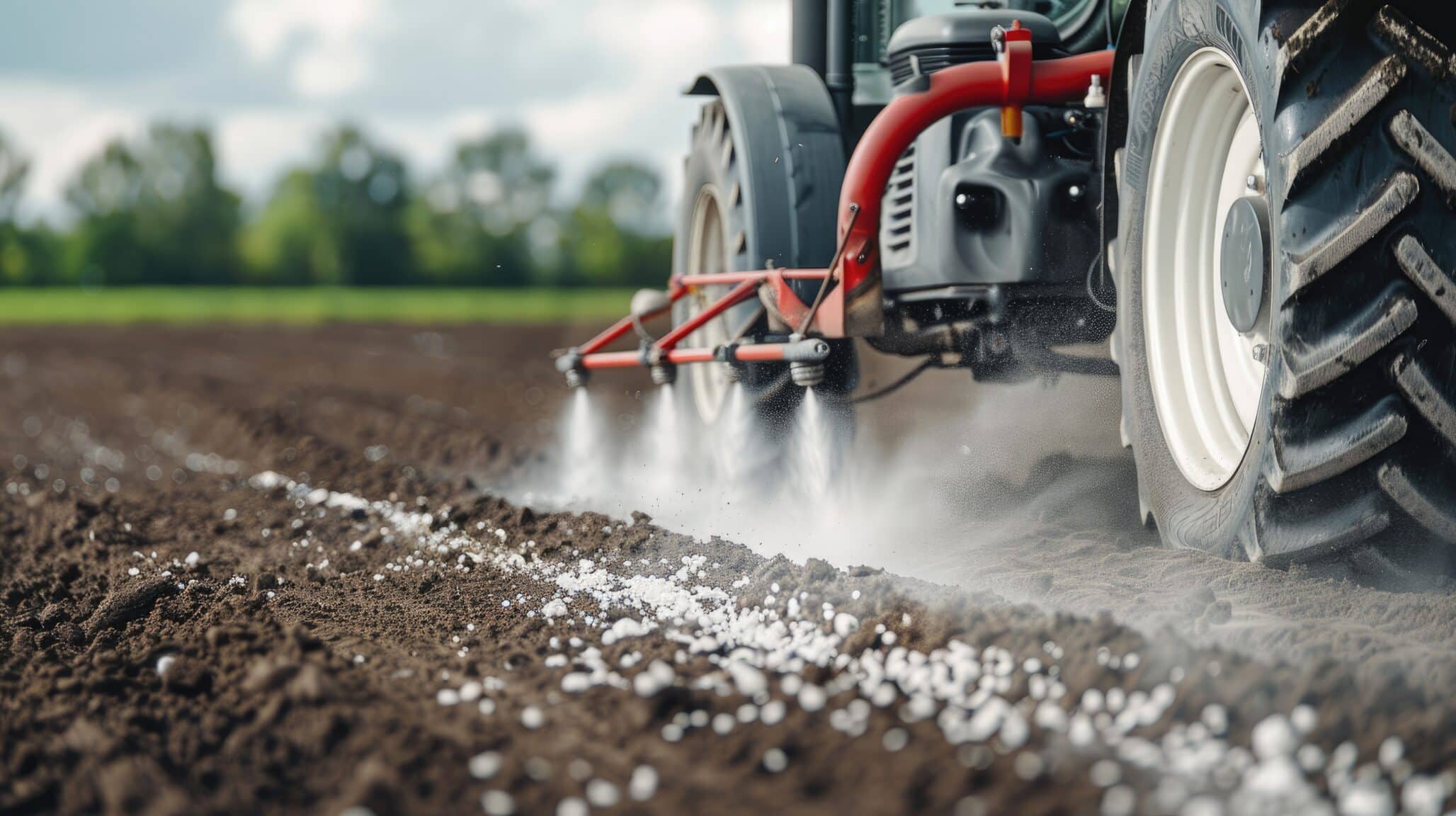
Geopolitical conflicts continue to disrupt global fertilizer markets. Seed World Columnist Shawn Hackett explores how prolonged volatility could reshape seed demand, production planning and breeding priorities over the next several years.
Throughout history, agricultural production and prices have moved in tandem with geopolitical stability. When global trade flows freely and international rules remain predictable, fertilizer supplies generally move efficiently and markets balance supply and demand. But when conflict disrupts trade routes, energy infrastructure and fertilizer exports, that balance begins to break down.
War and Pandemic Fatigue
That pattern has been unfolding since 2020. As the COVID-19 pandemic disrupted global supply chains and the Russia-Ukraine conflict damaged agricultural and energy infrastructure, countries and businesses began stockpiling fertilizer and other critical inputs. Those actions tightened supplies even further and fueled prolonged price volatility.
Russia, one of the world’s largest fertilizer exporters, sharply reduced available supplies while China tightened exports to protect domestic markets. Fertilizer prices nearly tripled from pre-COVID levels before peaking in 2022, hitting countries with limited capital and large areas of marginal farmland the hardest. Regions including Africa, the Middle East and Southeast Asia saw planted acreage shrink while yields declined.
For seed companies, fertilizer volatility influences much more than grower profitability. Higher input costs can shift crop acreage, alter seed purchasing decisions and accelerate demand for hybrids and varieties that deliver stronger performance with fewer inputs.
As COVID disruptions eased and the Russia-Ukraine conflict entered a less intense phase. Fertilizer exports gradually resumed and global trade flows stabilized.
Why This Time Could Be Different
Our historical work suggests these geopolitical cycles occur roughly every 53.5 years between major global turning points. Based on that framework, the current cycle may not reach its peak until sometime between 2028 and 2030.
Events in 2026 suggest those earlier disruptions were not isolated incidents but part of a broader trend. Conflict involving Iran, including disruptions in the Strait of Hormuz, and continued instability between Russia and Ukraine have once again constrained fertilizer supplies, pushing prices back toward the highs reached in 2022.
Meanwhile, the Russia-Ukraine conflict has intensified, contributing to the closure of the Kerch Strait, while hopes for normalized shipping through the Strait of Hormuz have faded. Together, those developments have renewed uncertainty across two of the world’s most important trade corridors for agricultural commodities and energy.
For the seed industry, this uncertainty extends far beyond fertilizer markets. It complicates production planning, inventory decisions and long-term investments while increasing demand for genetics that help growers produce more with fewer inputs.
Why Fertilizer Volatility Extends Beyond the Farm
While it is too early to know exactly how these developments will affect fertilizer prices, an extended period of geopolitical instability would likely trigger another sustained cycle of higher prices.
The United States has reportedly made progress toward normalizing trade relations with China, but several risks remain. China depends heavily on imported Russian oil and wheat, and changing geopolitical conditions could prompt it to once again restrict fertilizer exports or other key agricultural commodities.
The broader point is that escalating geopolitical instability disrupts fertilizer trade, reduces crop production in vulnerable regions and fuels food inflation. Throughout history, those pressures have often contributed to economic instability, civil unrest and broader geopolitical conflict.
Those conflicts are expensive. Governments typically finance them by borrowing, even as many countries already carry historically high debt levels. Increased borrowing or monetary expansion can add inflationary pressure by increasing the money supply while essential goods become more difficult to produce and transport.
As inflation rises, interest rates often follow. Higher borrowing costs place additional pressure on government budgets and can create a cycle in which inflation, debt and geopolitical instability reinforce one another. Fertilizer shortages play an important role because they directly influence global food production.
For seed companies, this environment changes more than input costs. It influences what farmers plant, how much risk they are willing to take and which seed technologies deliver the greatest value under tighter economic conditions.
Changing Farmer Economics Changes Seed Demand
So, what does all of this mean for the seed industry?
Periods of sustained fertilizer inflation inevitably influence planting decisions. Crops such as corn and rice require relatively high fertilizer inputs, making them more vulnerable when fertilizer prices spike. If growers reduce acreage in those crops, seed companies with significant exposure to those markets could experience lower unit sales.
Farmers also tend to scrutinize every input when margins tighten. Some may choose lower-cost seed options, creating additional pricing pressure for seed companies while compressing margins across the industry.
Seed production itself also becomes more expensive. Producing seed requires growing crops, and those production acres face the same fertilizer costs as commercial growers. As fertilizer prices rise, seed production costs increase while profitability becomes more difficult to maintain.
Innovation Becomes the Competitive Advantage
While higher fertilizer costs create challenges, they also create opportunities for the seed industry.
Growers facing tighter margins will increasingly look for hybrids and varieties that deliver stronger yields with fewer inputs. Seed companies that can accelerate the development of genetics with improved nutrient-use efficiency, drought tolerance and overall resilience may be better positioned as growers adjust to a higher-cost production environment.
The challenge extends beyond the products themselves. Seed companies will also need to evaluate where and how they produce seed. Rising fertilizer costs, combined with ongoing geopolitical uncertainty, could make production planning more complex while increasing pressure on margins.
The industry’s response may also include rethinking supply chains. Recent events have highlighted the risks of relying too heavily on global fertilizer markets. Where practical, strengthening domestic or North American fertilizer production and sourcing could help reduce exposure to future supply disruptions and provide greater long-term stability for agriculture.
A Different Operating Environment
The broader shift may be less about temporary disruptions and more about a new operating environment.
The highly globalized agricultural system that existed before COVID is giving way to a different one. It places greater emphasis on regional production, supply chain resilience and self-sufficiency. That transition won’t happen overnight. It is already influencing how governments, agricultural suppliers and food producers think about long-term risk.
For the seed industry, adapting to those changes may become as important as responding to the next growing season.
This does not mean the future is bleak. It means the rules are changing. Companies that invest in genetics capable of producing more with fewer inputs will likely be better positioned if fertilizer remains expensive and less predictable. Technologies such as artificial intelligence can help accelerate breeding and improve efficiency. The ultimate advantage will come from delivering practical solutions that help growers remain productive in a higher-cost, more volatile world.
In that environment, seed innovation becomes more than a competitive advantage. It becomes part of agriculture’s long-term resilience.