Regulatory modernization, public plant breeding, research funding and Canada’s competitiveness in genetics are no longer isolated policy files. They’re becoming part of a much broader discussion inside Ottawa about economic security and national resilience.
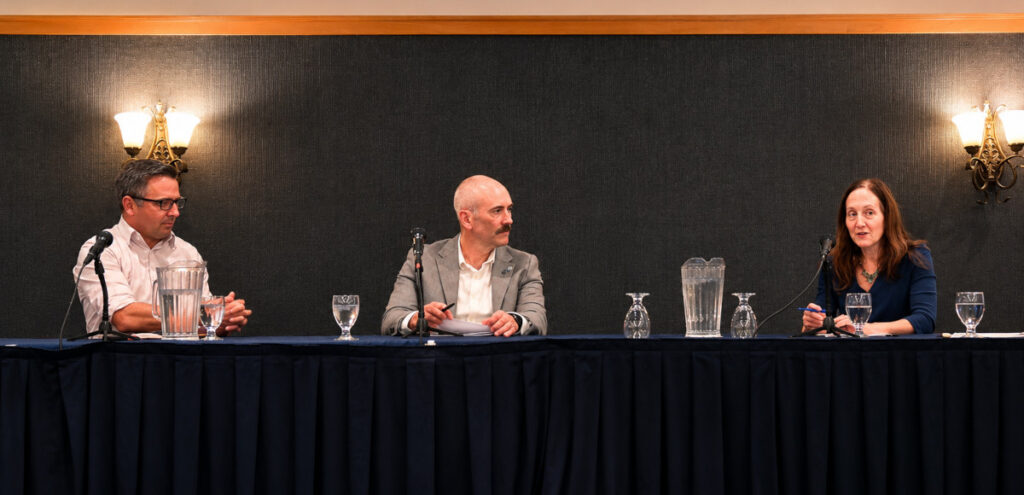
That was the message from a policy panel at the Canadian Seed Growers’ Association’s annual meeting in Whitehorse, Yukon, on Saturday, where government relations experts argued the federal government’s priorities are shifting in ways that could create new opportunities, and new risks, for the seed sector.
The panel featured Carla Ventin, owner of Mile26 Strategy; Brodie Berrigan, senior director of government relations and farm policy with the Canadian Federation of Agriculture; and Frank Drouin, senior advisor with Capital Hill Group and former parliamentary secretary to the federal minister of agriculture.
Ventin said Prime Minister Mark Carney’s government has begun framing food production, innovation and regulatory efficiency as strategic national priorities, creating a different policy environment than the seed sector has operated in previously.
“We cannot be sovereign if we don’t have energy security or food security,” Ventin said, pointing to the government’s National Food Security Strategy, regulatory modernization efforts and recognition of food production as a strategic sector.
For delegates, the discussion quickly turned to what those signals could mean for the seed sector. One recurring theme was regulatory modernization.
Berrigan said organizations such as CSGA have an opportunity to help shape changes underway at the Canadian Food Inspection Agency and other federal regulators.
“We need to be partners in this process,” he said. “We think we have a lot of advice that we can offer collectively as a sector on how that implementation can happen.”
Research and public plant breeding also dominated the conversation. Audience members questioned the federal government’s decision to close several Agriculture and Agri-Food Canada research facilities, arguing the move could weaken Canada’s long-term innovation capacity.
Drouin acknowledged the frustration but suggested organizations need to engage government earlier in the policy process.
“It’s just too late when the announcement is done,” he said. “Now you need to be working on the future.”
Berrigan agreed the issue extended beyond the closures themselves.
“The rollout led with the cuts and didn’t lead with the vision,” he said.
“What would have been better was for the Government of Canada to come forward with, ‘Here’s where we’re going on research and innovation in Canada.'”
The panel also argued the seed sector needs to broaden where it directs its advocacy Rather than focusing solely on Agriculture and Agri-Food Canada, Drouin encouraged organizations to engage departments responsible for trade, labour, infrastructure, immigration and finance when policy decisions affect innovation and competitiveness.
“If you have a labour issue… go lobby that minister,” he said.
Berrigan echoed that view, arguing the seed sector should frame plant breeding, regulatory efficiency and innovation as solutions to broader government priorities.
“Helping these other ministers understand that agriculture is an important part of their ability to deliver on their own objectives, that’s the next frontier.”
A second theme was unity. Drawing on his experience in Parliament, Drouin said governments are far more likely to act when organizations align around a small number of shared priorities.
“If you don’t present a unified message, then it’s often the excuse to do nothing.”