From shovel tests and earthworm counts to aggregate stability and Brix readings, these practical assessments reveal whether regenerative management is working.
When a producer starts into a regenerative agriculture journey or any other change in management, the question arrises “is it working?” It is a sound question that needs to be answered. But what can you do to monitor change in the field, besides just looking at yield?

Profitability is beyond just looking at yield. As Dr. Kris Nichols says, “we need to remove the word YIELD from agricultural vocabulary”. It has very little to do with profitability. The two ways to improve profitability are to increase income while maintaining expenses, or decrease expenses while maintaining income. Ideally, we increase income while decreases expenses.
What can we influence with our management? Nutrient availability, nutrient cycling, water infiltration, water retention, soil aeration, rooting depth, microbial activity, and water use efficiency to name a few. Most of these we can do some relatively simple at-home tests to create some baselines and monitor changes in our soils.
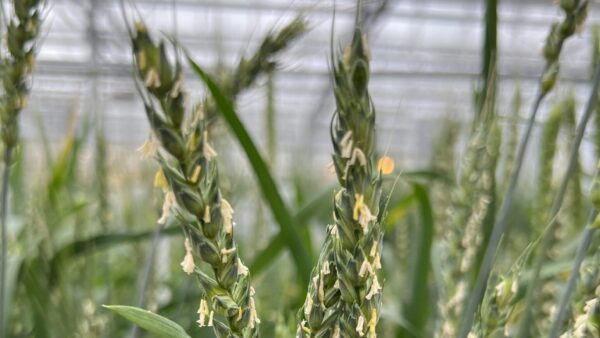
First thing is to observe is what plants are growing. Are they “weeds”? Are the plants “happy” or do they look like they are fighting to stay alive? How many different types of plants are growing? What functional plant group seems to be dominating? These quick visual clues will tell you a fair amount of what is happening under the soil. A diverse variety of plants that appear to be growing well usually reflects a functioning soil ecosystem.
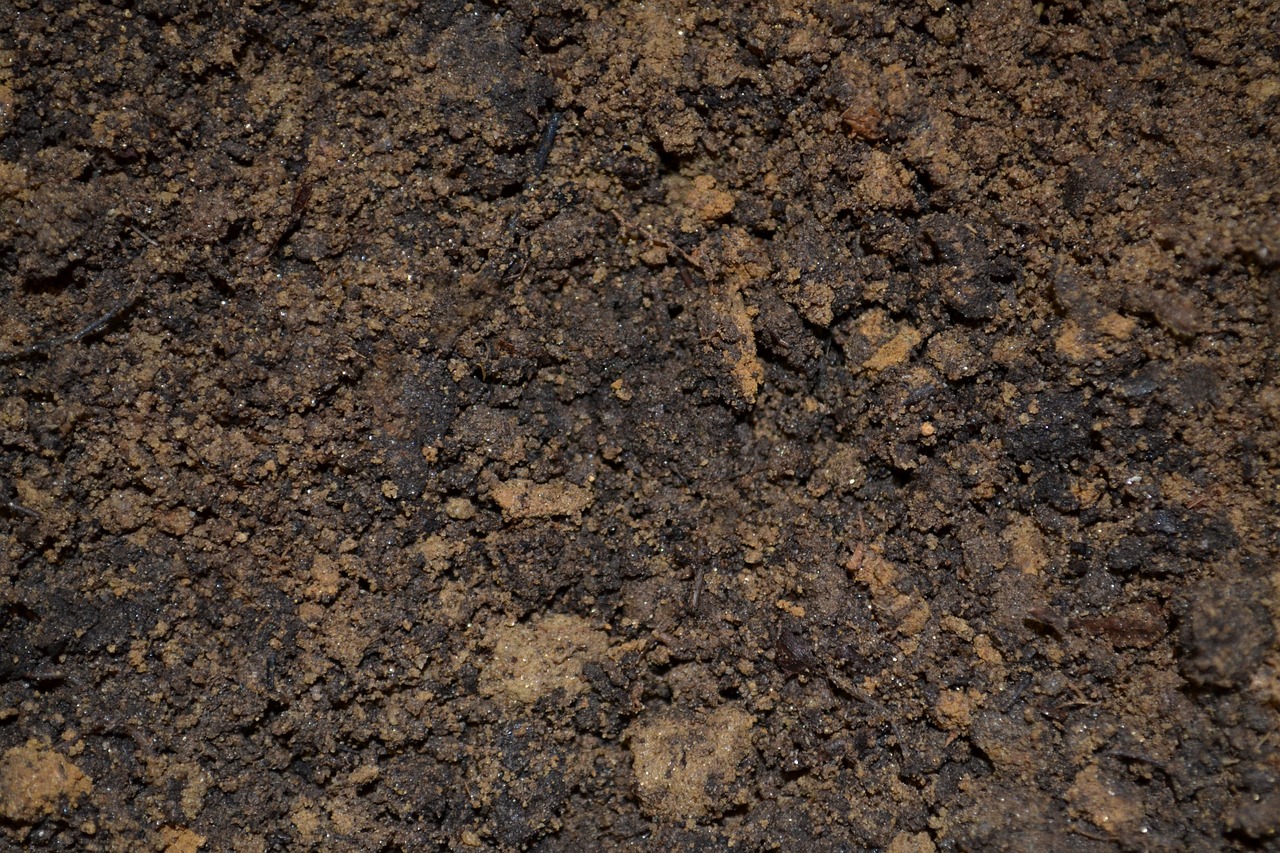
Starting with a shovel and dig up a cube of soil. How deep can be easily dug? What does it smell like? Is there any evidence of compaction by seeing horizontal plating in the soil? What colour is the soil and how deep is the colour change? How are the roots growing? Observations will be somewhat subjective, but you will learn fairly quickly what you want to see as you gain experience. Counting soil animals like earthworms will give some numbers that can be tracked. Not only the number of earthworms, but identifying whether they are juveniles or adults. That gives you an indication if their population is increasing or is plateaued. If you do not see any earthworms, look for evidence that they have been there, namely their burrows. If conditions are tough hot, they will drive deeper into the soil profile so they can survive.
Hard soils show tilth issues. The soils are starving for carbon. We need to feed them what they need to work properly. Roots that are growing horizontally or are twisted can indicate hard soils. Soils without any “earthy” smell show microbial issues.
Soil aggregate stability is very important for the structure of the soil. This influences water infiltration, nutrient cycling, root growth, compaction, erosion, and water retention. Screening aggregates to get about 2mm micro aggregates and placing them in water will show how well the small aggregates will stay together under wetting events. These tests will show the potential of rain to enter the soil profile and potentially how much will pond or run off.
If you want to invest in a tool, buy a penetrometer, as it gives you an actual pressure number to measure. This number will change as the soil moisture changes, which is what the plants also have to deal with.
A refractometer is another great inexpensive piece of equipment. It measures the sap of the plant, showing the total dissolved solids, or Brix. This will show the relative efficiency of photosynthesis in the plant. The higher the number the more photosynthate in the sap, the healthier the plant is. It will change throughout the day, hours of sunlight, barometric pressure, water stress, among others, so testing the same time of day with similar weather conditions is needed to get meaningful results.
The next thing we need to do is observe how nature is responding to you. Are there earthworms in your soil? Ideally five in a six-inch or 15 centimetre cube of soil. How many songbirds to you hear? What other wildlife have you noticed that have appeared? There can be negative wildlife impact because wildlife can detect healthy food; they can sense a change of Brix of 0.1, where they normally will pick the highest Brix options to eat.
If you decide to do some benchmarking by sending samples to a lab, that is good also. GPS benchmark the spots so they can be retested in time to see what is changing. But the inexpensive tests we can do on the farm by ourselves will allow us to see change quicker, once we know what we need to test and what the results tell us. Some matrices take longer than others to change. Some things will change relatively quickly to show us that what we are doing is making an impact.