Plant breeding, seed testing and agricultural technology are advancing rapidly. But the industry’s next breakthrough might come from something surprisingly simple: listening more.
I sometimes wonder whether we’ve become so obsessed with collecting information that we’ve forgotten what we’re supposed to do with it.

Agriculture is swimming in data. We can monitor crops from the sky, analyze their genetics, predict yields, track disease and manage seed production across continents. We have software that can tell us practically everything about a field except whether the farmer who owns it is having a good day.
And yet, some of the most useful information in our industry still struggles to get where it needs to go.
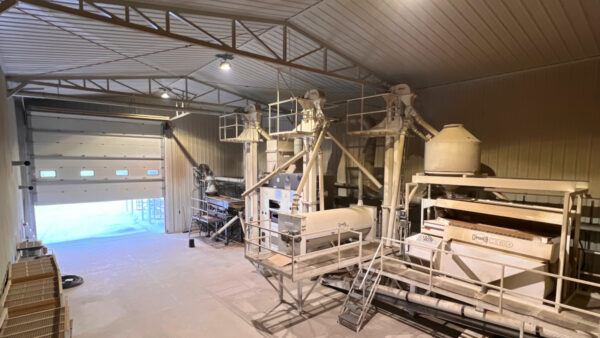
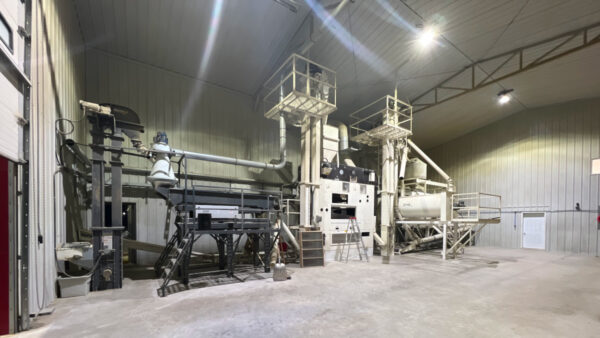
Sarah Foster made an interesting observation in this week’s On the Brink episode. Speaking from the purity lab at 20/20 Seed Labs in Nisku, Alta., she pointed out that seed analysts see things that could be enormously valuable to plant breeders. Disease patterns. Germination problems. Unusual dormancy. The kinds of issues that show up in testing labs long before they become the subject of a formal research project.
But that information doesn’t necessarily make its way back to the people developing tomorrow’s varieties.
We spend years and millions of dollars developing new genetics, but some of the people with the clearest view of how those genetics perform in the real world aren’t always part of the conversation.
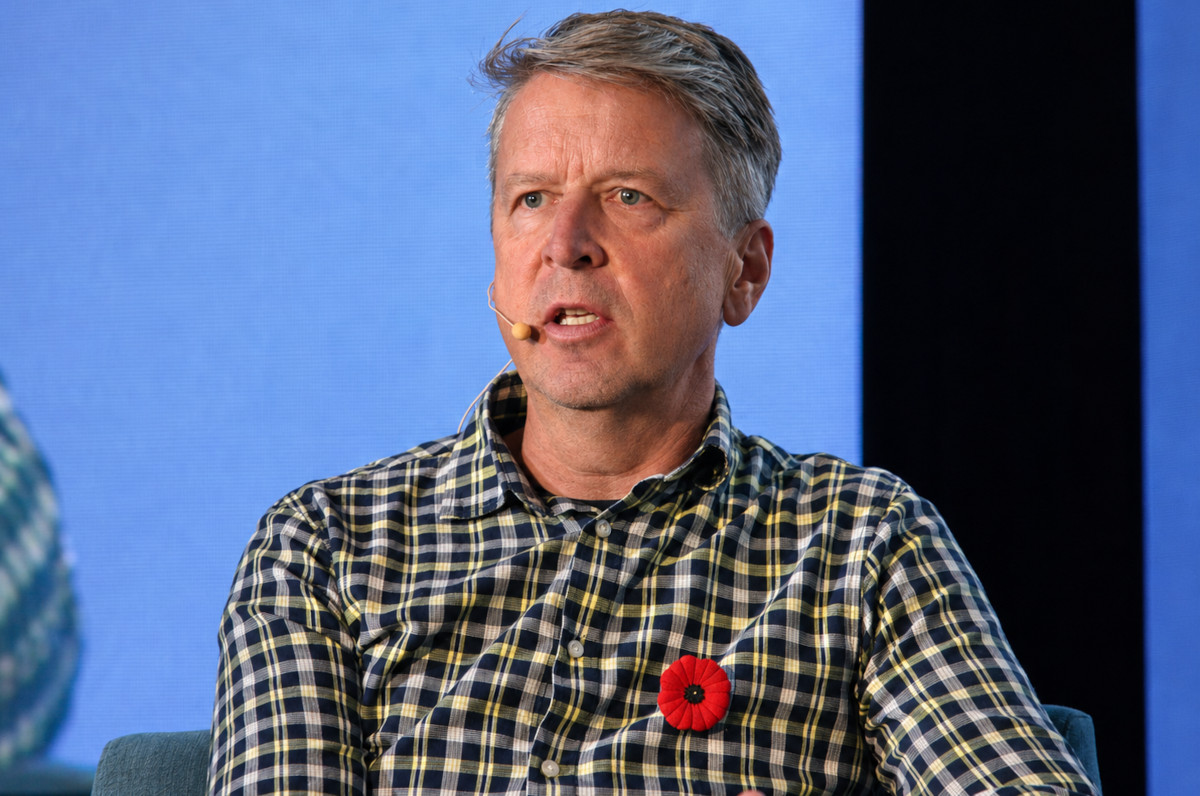
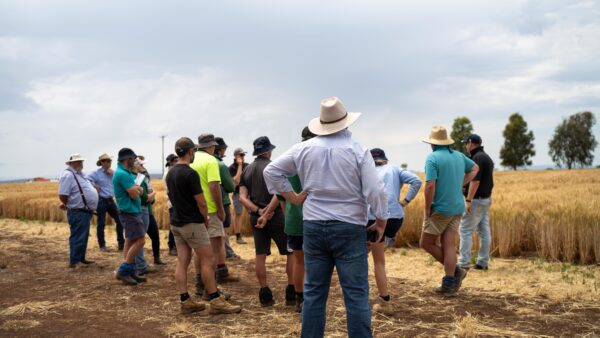
I heard something equally revealing at EMILI’s Agriculture Enlightened conference in Winnipeg earlier this month. Manitoba seed grower Mark Keating talked about his experiences with agricultural technology, including software that seemed to have been designed with some farmer input, but not nearly enough.
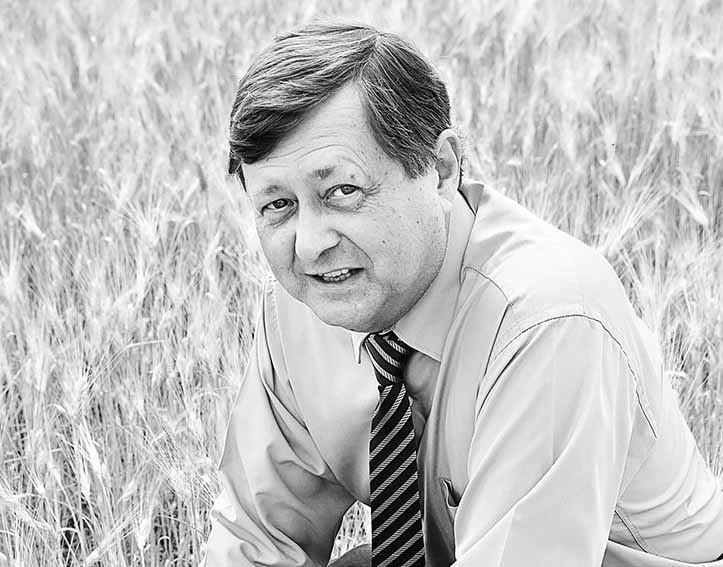
Another seed grower, Rick Rutherford, described sophisticated electronic weather stations that couldn’t reliably measure rainfall. An old-fashioned rain gauge nailed to a fence post, he observed, worked every time.
There’s something wonderfully Canadian about spending thousands of dollars on agricultural technology only to discover that a plastic tube on a fence post does the job better.
Of course, nobody is suggesting we abandon technology. Quite the opposite. We need it more than ever. But the people designing these tools are well served spending less time imagining what farmers want and more time finding out.
And they are. I was reminded of that while reading about the ABS Production App, which aims to bring field observations, production estimates and inspection records together in one place. That’s a practical ambition. A seed company operating across multiple regions can’t afford to have critical information sitting unnoticed in somebody’s inbox.
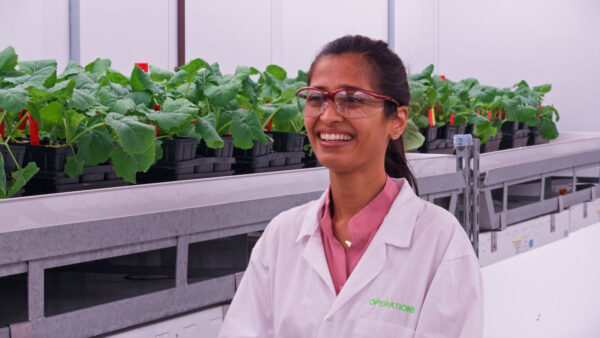
The same applies to plant breeding. Bayer’s Aayushi Patel recently described how the first two years of a seven-year canola breeding process involve narrowing millions of potential genetic lines and combinations down to a small group of promising candidates.
It’s remarkable science, and the sophistication of modern breeding deserves recognition.
But Patel also made an important point: not every farmer needs the same thing. For one producer, blackleg resistance might be the priority. For another, it’s clubroot. Others are concerned about pod shatter, maturity or performance under increasingly unpredictable growing conditions.
The technology helps identify what’s possible. Farmers help determine what’s worth pursuing.
That’s the part I think deserves more attention.
We often talk about innovation as though it’s something that starts in a research laboratory or at a technology company and eventually finds its way to the farm. But some of the most important innovation starts with somebody noticing that something isn’t working.
A seed analyst sees the same quality problem appearing repeatedly. A farmer discovers that an expensive tool creates more work than it saves. An agronomist notices a variety behaving differently than expected.
Those observations aren’t inconveniences to be managed. They’re clues.
And perhaps the biggest challenge facing Canadian agriculture isn’t a shortage of information, technology or scientific ability. It’s our tendency to build elaborate systems for generating knowledge without putting equal effort into making sure that knowledge moves in both directions.
We need breeders talking to seed analysts. Software developers listening to growers. Researchers asking questions that reflect what’s happening in fields rather than simply what’s possible in the laboratory.
Most importantly, we need to stop treating the people at the receiving end of innovation as though they’re merely customers.
They’re experts, too.
The future of Canadian agriculture will depend on some extraordinarily sophisticated science. I’m convinced of that.
But it might depend just as much on something considerably less sophisticated.
Listening.