Objecting Wasn’t Going to Save the AAFC Indian Head Research Farm
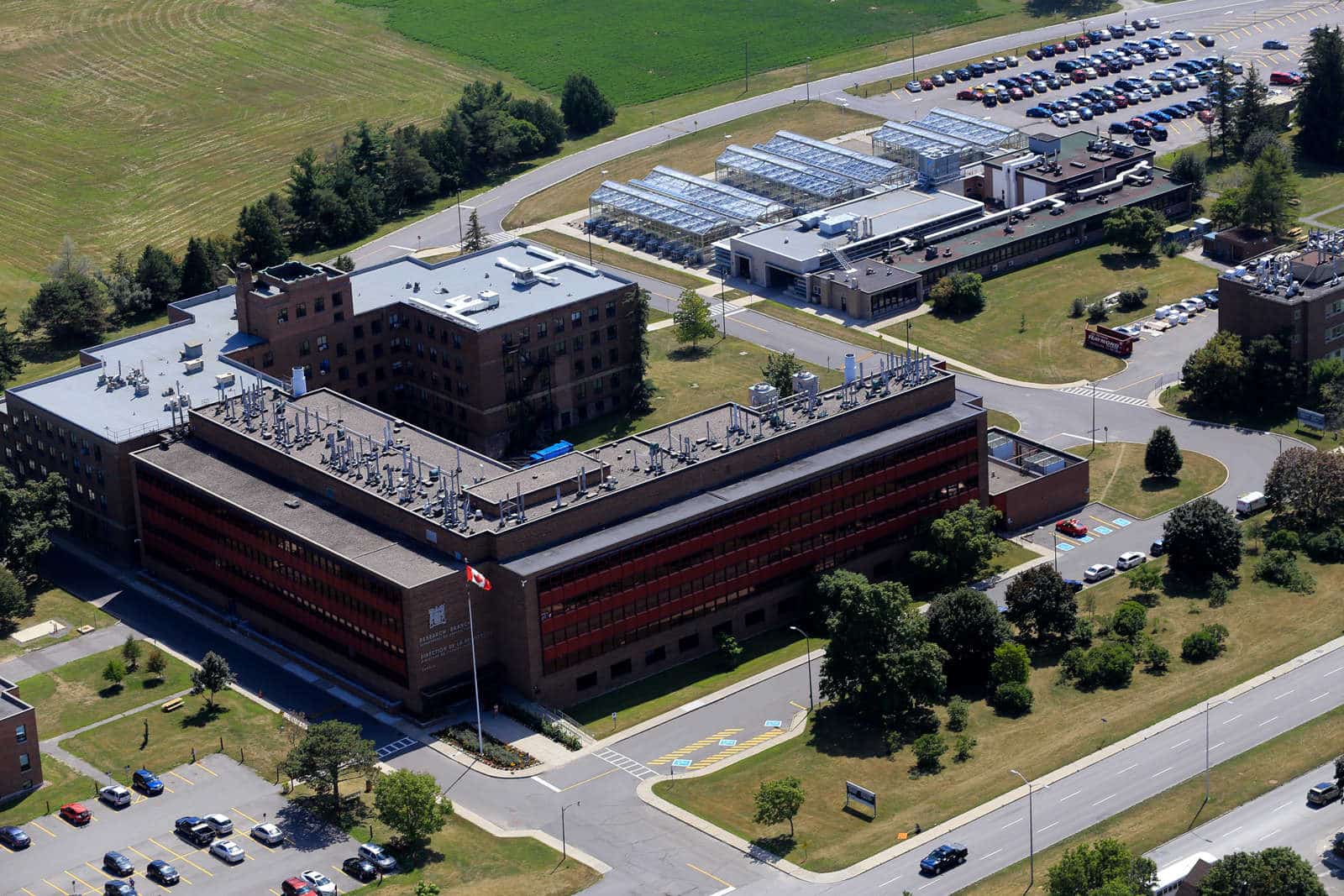
In January, Agriculture and Agri-Food Canada confirmed it would eliminate 665 positions and close seven research facilities. Two are in Saskatchewan, at Scott and at Indian Head. The objections came fast. On their own, none of them was going to save the AAFC Indian Head Research Farm.
What the Saskatchewan Seed Growers’ Association did after the objections is the part worth studying, and it is not what the seat-at-the-table language usually means.
Nick Petruic, president of SaskSeed and a seed grower at Avonlea, frames the loss at Indian Head narrowly. Not as a symbol. As a bottleneck.
“We’re at the point where the research finally becomes the value,” he says. “Like the research actually hits the farm gate, actually hits the land.”
Why the AAFC Indian Head Research Farm Mattered to Seed Growers
Petruic says Indian Head represented a research site covering 33 per cent of Saskatchewan farmland, and that the AAFC seed increase unit operated there. Without it, he says, any AAFC variety moving through the pipeline for Western Canadian farmers was at risk of not actually being produced.
That is a narrower complaint than the one most groups filed. Breeding capacity can absorb a lost plot. A variety that never gets multiplied never reaches a farm, however good the genetics behind it.
How SaskSeed Went From a Statement to an Operating Proposal
SaskSeed’s first move was the conventional one. In February the association called for the closures to be reversed, warning that lost research capacity would ripple through variety development and competitiveness. Then the provincial ministry called the sector together.
“On that call, we expressed our points, we expressed our concerns, and we said we wanted to help,” Petruic says.
The offer to help is where this stops being a lobbying story. After research and consultation the group settled on a plan, one first put forward by a member rather than by staff, and sent it to government without knowing whether anyone wanted it.
“So we put it forward and wasn’t really sure how it was going to be received,” Petruic says. “But we figured, you know what, start something, kick the proverbial hornet’s nest, and see what comes through.”
At first, nothing came back.
What the Indian Head and Scott MOU Actually Commits To
In July the two governments signed a memorandum of understanding covering the two Saskatchewan farms. Here the accounts diverge, and the difference matters.
Chris Barker, SaskSeed’s executive director, describes it as “general agreement that the Indian Head and Scott stations will be preserved under new management,” and says he hopes the seed increase unit is included in whatever follows.
The signed documents are narrower. Agriculture and Agri-Food Canada’s July 16 release describes the two governments as exploring approaches to support continuity of agricultural activities at the farms during their planned disposal. The province’s release the following day says the ministry has been working with industry stakeholders since the closures were announced to build a new operating model for the two sites. Neither document commits to a research mandate. Neither halts the disposal.
Barker does not oversell it. “We’re not done. You know, we don’t have a final plan, but we’re on the right path to ensuring those stations remain viable,” he says.
Nothing about the timeline is settled either. The federal July release notes that a full closure of sites cannot happen immediately, because it involves a series of decisions that have to be worked through, and that the department still operates 17 research centres nationally. That leaves a window of unspecified length between the announcement and the disposal.
It is worth stating plainly what the public record does not establish. SaskSeed put a proposal forward. The province says it has been working with industry on an operating model. A memorandum of understanding followed in July. No published document ties those three things together as cause and effect, and neither Petruic nor Barker claims credit for the outcome on camera.
What Six Months on the Indian Head File Taught SaskSeed’s President
What Petruic takes from the past six months is not about Indian Head at all.
“What I’ve learned is that I way rather be a part of change than observing it,” he says. “So anybody effectively wanting to change, you have to put your hand up and you have to say, yeah, I’m willing to do some work. I’m willing to step up. Nobody else’s job but mine. And when you do that, a lot of doors unlock.”
The disposal is still on the books, the research mandate is still unwritten, and the organization that volunteered to help has no signed role in what comes next. It volunteered anyway.
Subscribe To On The Brink
On the Brink is a cross-country storytelling project about plant breeding in Canada. The goal is to spark an open, multi-perspective, ongoing conversation about what’s possible, what’s at stake, and how to seize opportunities ahead. On the Brink releases new episodes every Wednesday. Watch Episode 6 featuring Andrew Campbell and subscribe to have future episodes delivered directly to your inbox.
More Episodes
Be Part of this Conversation
We need your help to grow and evolve this conversation!
- Nominate individuals you think should be part of the On the Brink video series. Know someone who would add to the conversation? Email us at OnTheBrink@seedworldgroup.com
- Help expand the conversation by liking and sharing weekly episodes across LinkedIn, Instagram, X, and Facebook.