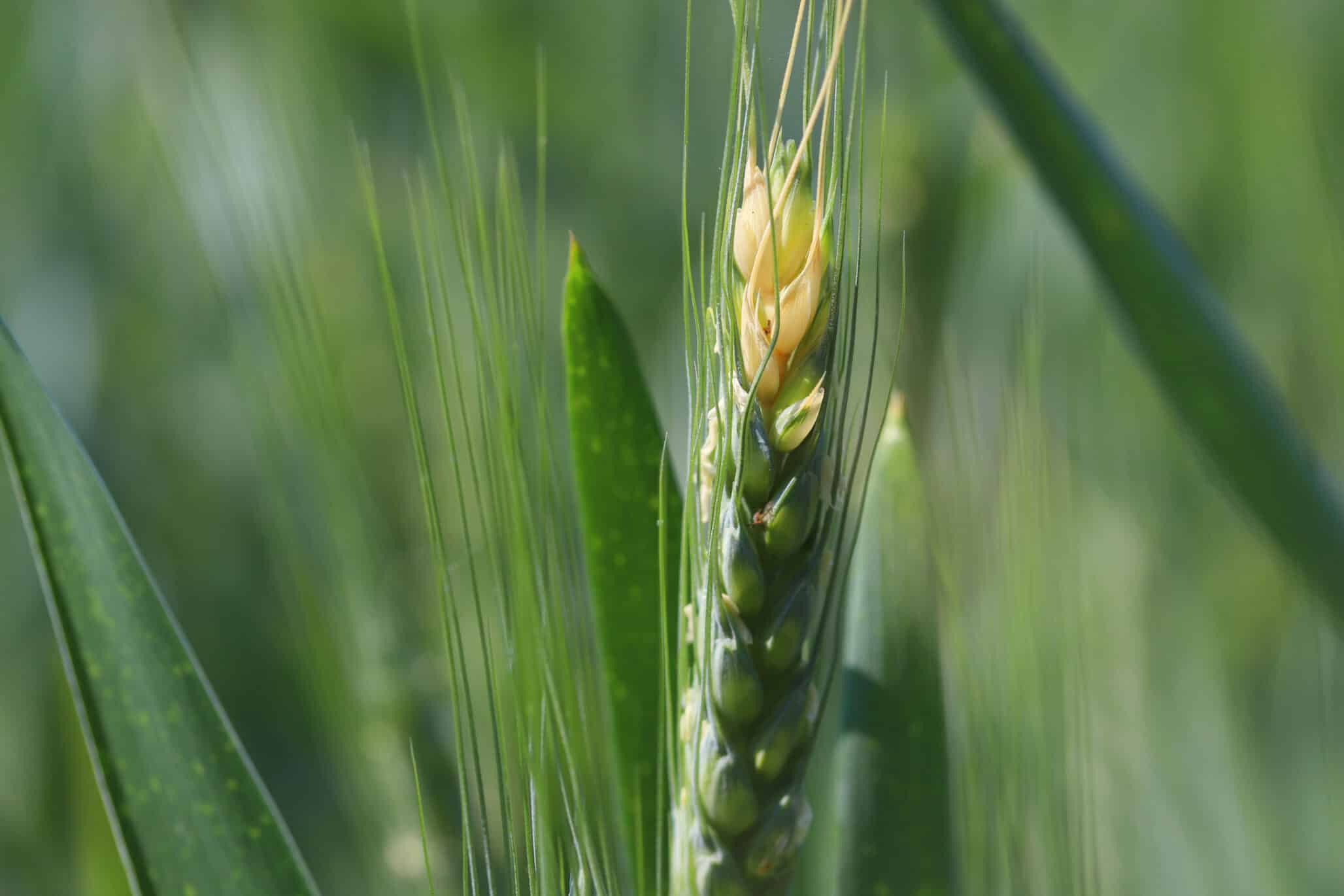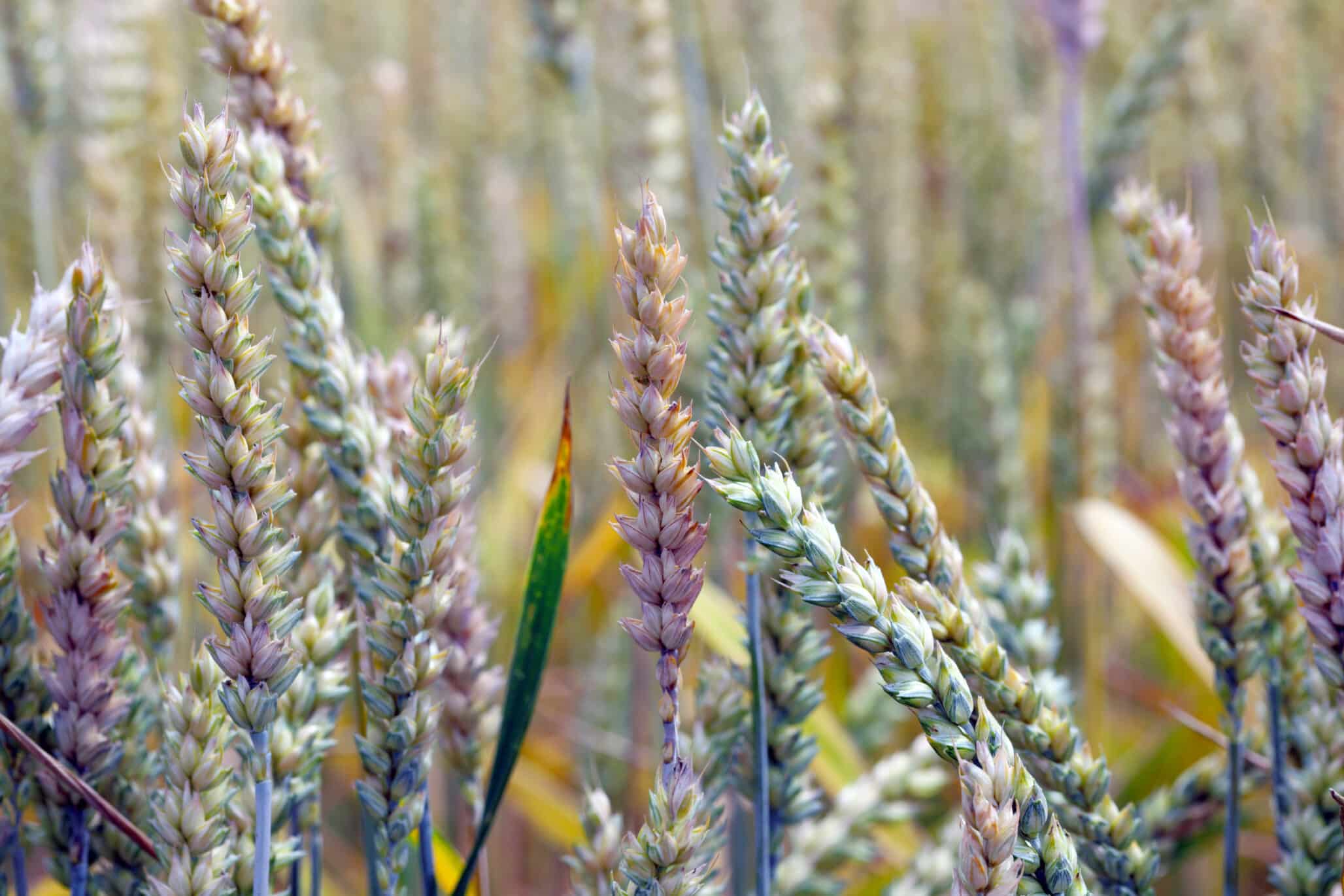
A new experimental study has identified a previously unknown genetic locus in the agricultural weed Elymus repens that provides strong resistance to Fusarium Head Blight (FHB), one of the most damaging fungal diseases affecting cereal crops worldwide. Researchers have successfully transferred the resistance trait into wheat, creating FHB-resistant wheat hybrids.
FHB is a major threat to global cereal production, reducing grain yield and contaminating crops with harmful mycotoxins that can cause gastrointestinal illness in both humans and livestock. In severe outbreaks, infected harvests may need to be discarded entirely, resulting in significant economic losses.
Elymus repens, commonly known as couch grass, is a wild relative of wheat. Because the two species are genetically compatible, breeders can cross them to introduce beneficial traits from the wild species into cultivated wheat varieties, according to a press release.
“Both research and breeding practice have shown that developing and deploying resistant wheat cultivars is the fundamental solution to FHB,” says study author, Fei Wang. “However, current efforts are limited by a scarcity of major resistance sources, narrow genetic backgrounds and inefficient use of resistance genes.”
Dr. Yinghui Li and Houyang Kang’s research team has published a new study in the Journal of Experimental Botany showing how they successfully hybridized Elymus repens with cultivated wheat to transfer Fusarium Head Blight resistance genes into wheat.
In trials using deliberately infected plants, wheat hybrids carrying the resistance-linked genotype, labelled 1StL, showed substantially lower disease levels than control wheat. Under greenhouse conditions, the hybrids had 69% fewer diseased spikelets, while field trials showed a 60% reduction.
The researchers found no genetic markers from previously known alien FHB resistance genes in the hybrids, indicating that 1StL carries a novel resistance locus. The team has named this locus Fhb.Er-1StL.
This is the third FHB resistance locus that Li and Kang’s group has identified from Elymus repens, following earlier discoveries of QFhb.Er-7StL and Fhb.Er-3StS. The new locus provides another valuable source of resistance for future wheat breeding.
“We believe this work is of practical importance for accelerating the breeding of resistant, high-yielding wheat varieties and breaking the bottleneck in FHB resistance breeding,” says Dr Yinghui Li.
The study was carried out by researchers at the State Key Laboratory of Crop Gene Exploration and Utilization in Southwest China, Sichuan Agricultural University, Chengdu, China.