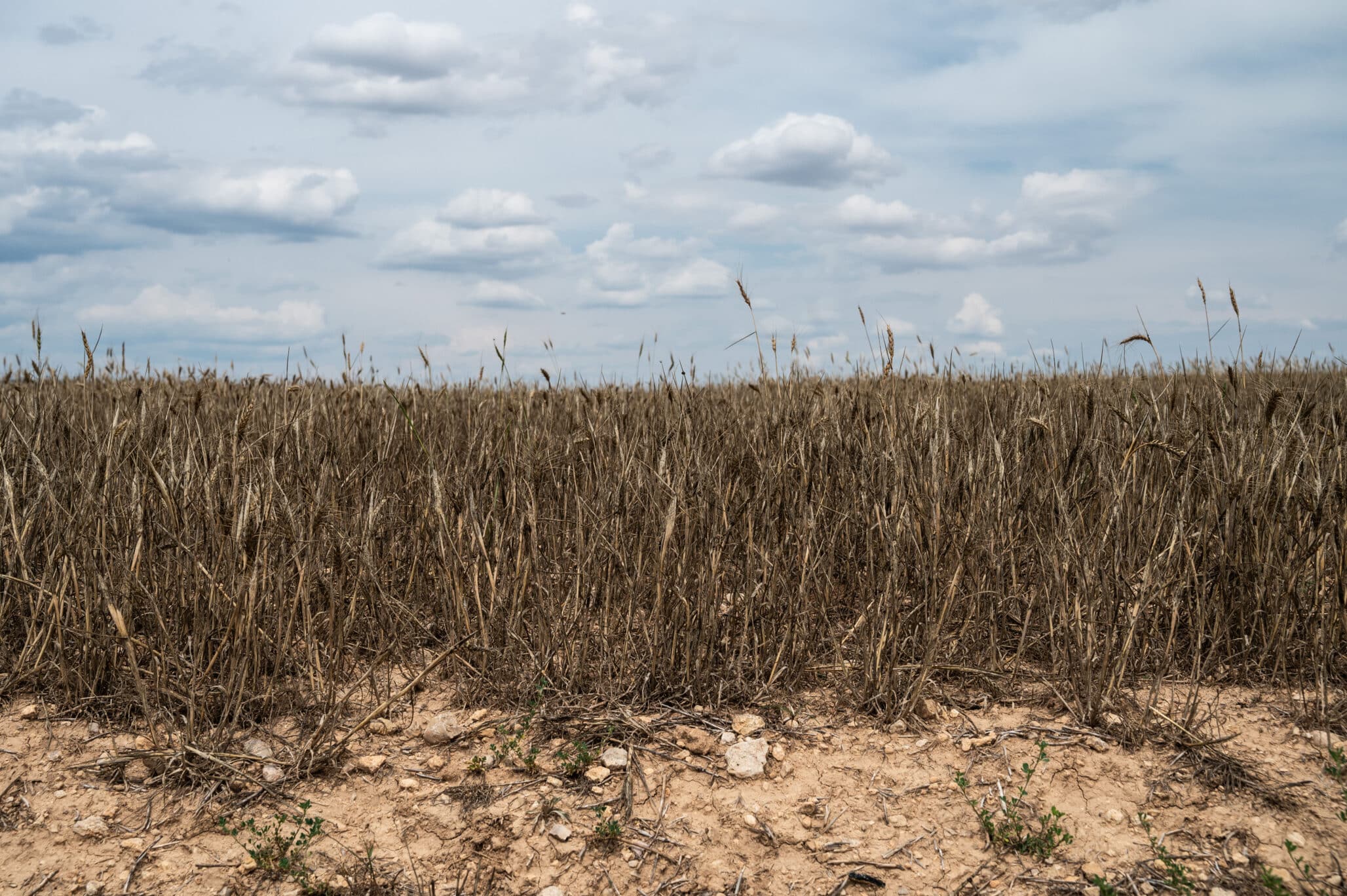
Long-term organic management may enrich beneficial soil bacteria that help plants cope with drought stress and changing climate conditions.
A study led by researchers from the Department of Microbiology at the University of Malaga has shown how organic farming can help crops become more naturally resistant to drought over the long term.
The research team, which is also part of the Institute of Subtropical and Mediterranean Horticulture “La Mayora” (IHSM), found that sustainable agricultural management enriches specific groups of soil microorganisms, particularly bacteria that can help plants cope with climate change.
Organic Soils Support Beneficial Bacteria
The study, published in npj Biofilms and Microbiomes, confirms that soils managed organically for decades favour the growth of beneficial bacteria, especially those in the genus Bacillus. These bacteria are highly resilient in extreme conditions and can act as a protective shield for plants.
For the study, researchers compared two avocado orchards in the Axarquía region of Malaga. One orchard was managed organically, using organic matter and avoiding synthetic chemicals, while the other was managed conventionally with fertilisers and intensive practices.
“By comparing the rhizosphere, the soil attached to plant roots, of crops under organic and conventional management over 20 years, we identified important differences in their physicochemical properties that play a key role in the composition of microbial communities, observing an abundance of bacteria of the genus Bacillus,” explains the researcher and first author of this paper Blanca Ruiz Muñoz.
Testing Drought Resistance in the Lab
In a second phase of the study, the researchers isolated Bacillus bacteria in the laboratory and tested their effects on plants. Across a series of trials, they found that some of these microorganisms improved plant growth and physiological condition under drought stress, according to a press release.
Toward a New Form of Agriculture
According to the researchers, the findings are especially relevant for southern Spain, where very dry conditions make crop resilience increasingly important. More resilient crops could help reduce losses, while also supporting other benefits, including lower use of fertilisers and chemicals and greater use of bioinoculants, products formulated with microorganisms that are beneficial to soil.
“It’s not only about cultivating plants, but also about managing and ‘training’ soil microorganisms to move toward another form of agriculture,” concludes Professor José A. Gutiérrez Barranquero, another of the authors of this paper.
In short, the way crops are cultivated today could strengthen the ability of future crops to withstand climate change. The key to surviving drought may lie underground.