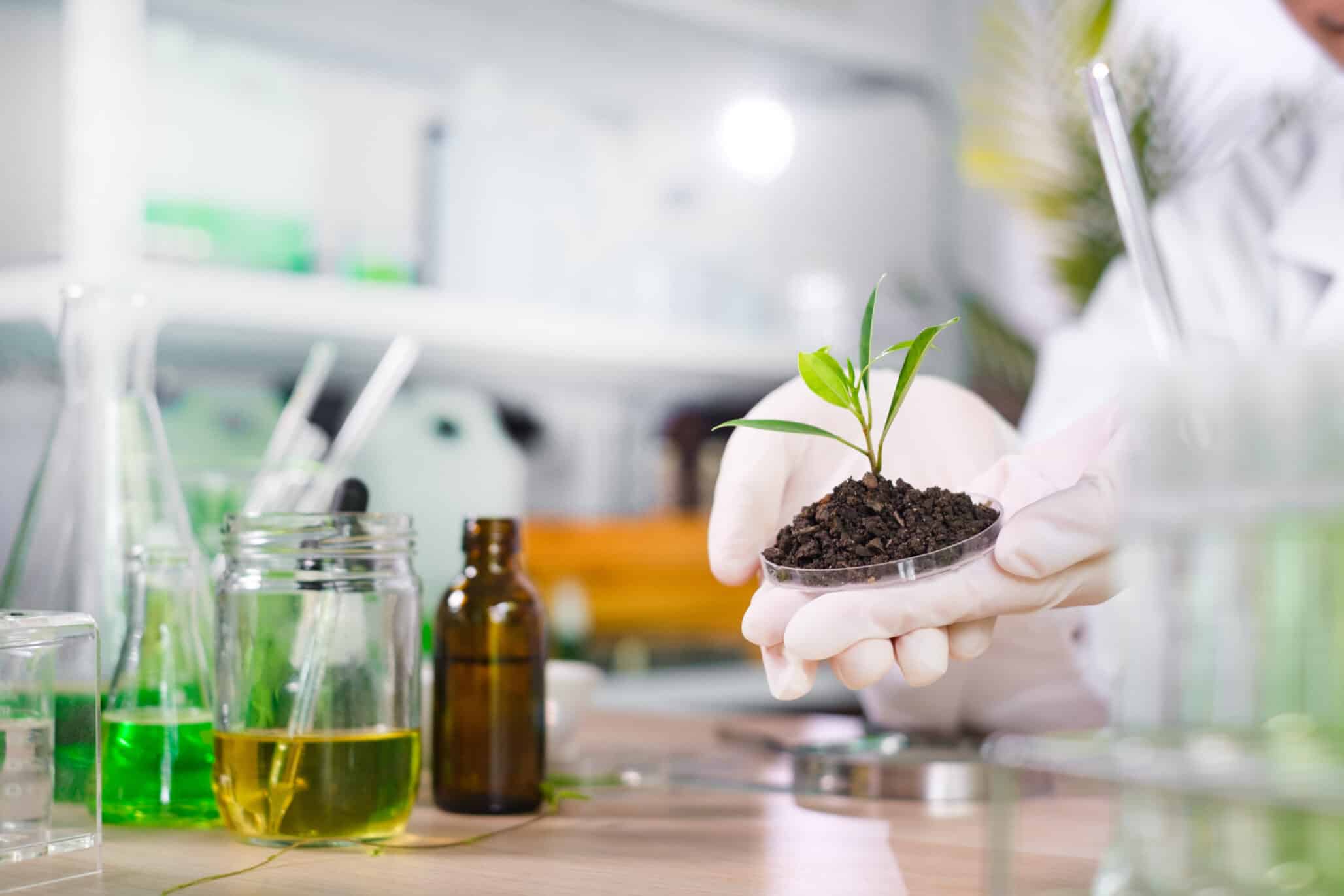
The University of Warwick is leading a European consortium to develop the first platform capable of coordinating Europe’s response to major agricultural and forest pest invasions.
A Growing Threat to Crops and Forests

Plant pests destroy up to 40% of agricultural yields worldwide each year and pose a growing threat to forest ecosystems. Despite this, Europe currently lacks the tools needed to coordinate an effective, system-wide response. A new €6 million EU Horizon project aims to address that gap.
Led by the University of Warwick, PhytoPRISM brings together 15 research institutions and stakeholders from eight countries, placing the UK at the forefront of a coordinated European effort to tackle transboundary plant health threats. For the first time, the project will enable plant health authorities to model and optimise pest control strategies across the entire agri-value chain, from preventing pest entry to supporting long-term management, according to a press release.
Building a Full Picture for Plant Health Authorities
“Until now, plant health authorities have had to make critical decisions without ever being able to see the full picture” said the project lead, Dr. Stephen Parnell, School of Life Sciences, University of Warwick. “They can apply individual measures but have no way of knowing how those measures interact, or whether they are getting the best outcome for their investment.
“PhytoPRISM brings together the best of modern epidemiological modelling with the real-world knowledge of the people on the frontline, giving them, for the first time, the tools to make smarter, faster, and more cost-effective decisions.”
Plant pests, including insects and pathogens, are an increasing threat to the resilience of agri-food systems and forests. As global trade and climate change accelerate the spread and establishment of new pests, these threats directly challenge European priorities for sustainable food production, biodiversity protection and reduced pesticide use.
Current pest management approaches are often fragmented, relying on individual restrictive measures rather than coordinated, system-wide strategies that span the entire agri-value chain.
Protecting Citrus and Other Key Crops
“For IVIA, citrus is our main area of research, as it is the major fruit crop in our region and across other coastal areas of the Mediterranean Basin,” Dr. Antonio Vicent, Head of the Plant Protection Department at IVIA and Chair of the European Food Safety Authority (EFSA) Plant Health panel said. “Citrus crops are threatened by a range of invasive pests that may enter European territory through international trade. PhytoPRISM will deliver tools for science-based risk management through a systems approach encompassing the entire food chain, ultimately contributing to safer and more secure international trade.”
The platform will be co-designed with plant health authorities, producers, foresters and advisors to ensure it meets practical decision-making needs. It will be validated through six high-profile European quarantine pest case studies: fall armyworm, citrus black spot, pine wood nematode, emerald ash borer, Xylella fastidiosa and fruit fly.
The resulting tools and insights will be extendable to more than 60 closely related European quarantine pests. Training, e-learning and contingency planning resources will also be developed to strengthen preparedness and response capacity across Europe.
“At the EPPO, we are dedicated to protecting plant health in agriculture, forestry and the uncultivated environment,” Dr. Rob Tanner, Senior Scientific Officer at European and Mediterranean Plant Protection Organization (EPPO) said. “Plant pests can have negative impacts on agricultural productivity, biodiversity and ecosystem services and EPPO is pleased to be a partner on this project. PhytoPRISM will develop state-of-the-art risk management tools through an open-access platform, enabling scientifically robust and harmonized management options to be set by National Plant Protection Organizations across the region.”
By reducing reliance on synthetic pesticides, improving cost-effectiveness across the value chain and supporting smarter responses to climate-driven pest pressures, PhytoPRISM will help build more resilient and sustainable food and forestry systems across Europe.
The project also highlights the value of renewed UK-EU research collaboration made possible through the UK’s association with the Horizon Europe programme.