SlbHLH70 improved survival after water stress by coordinating hormone signalling and root development, making it a potential target for crop breeding.
A tomato gene that helps plants survive drought and recover after rewatering could provide breeders with a new route to developing more resilient varieties.
Researchers found that increasing the activity of SlbHLH70 improved drought survival, while disabling the gene made tomato plants more vulnerable to water shortages. The gene appears to act as a regulatory hub, connecting stress detection and hormone signalling with the development of stronger roots.
The study was conducted by researchers from Xinjiang University and the Xinjiang Uygur Autonomous Region Academy of Agricultural Sciences. It was published in Horticulture Research on March 5, 2026.
Water Shortages Threaten Tomato Production
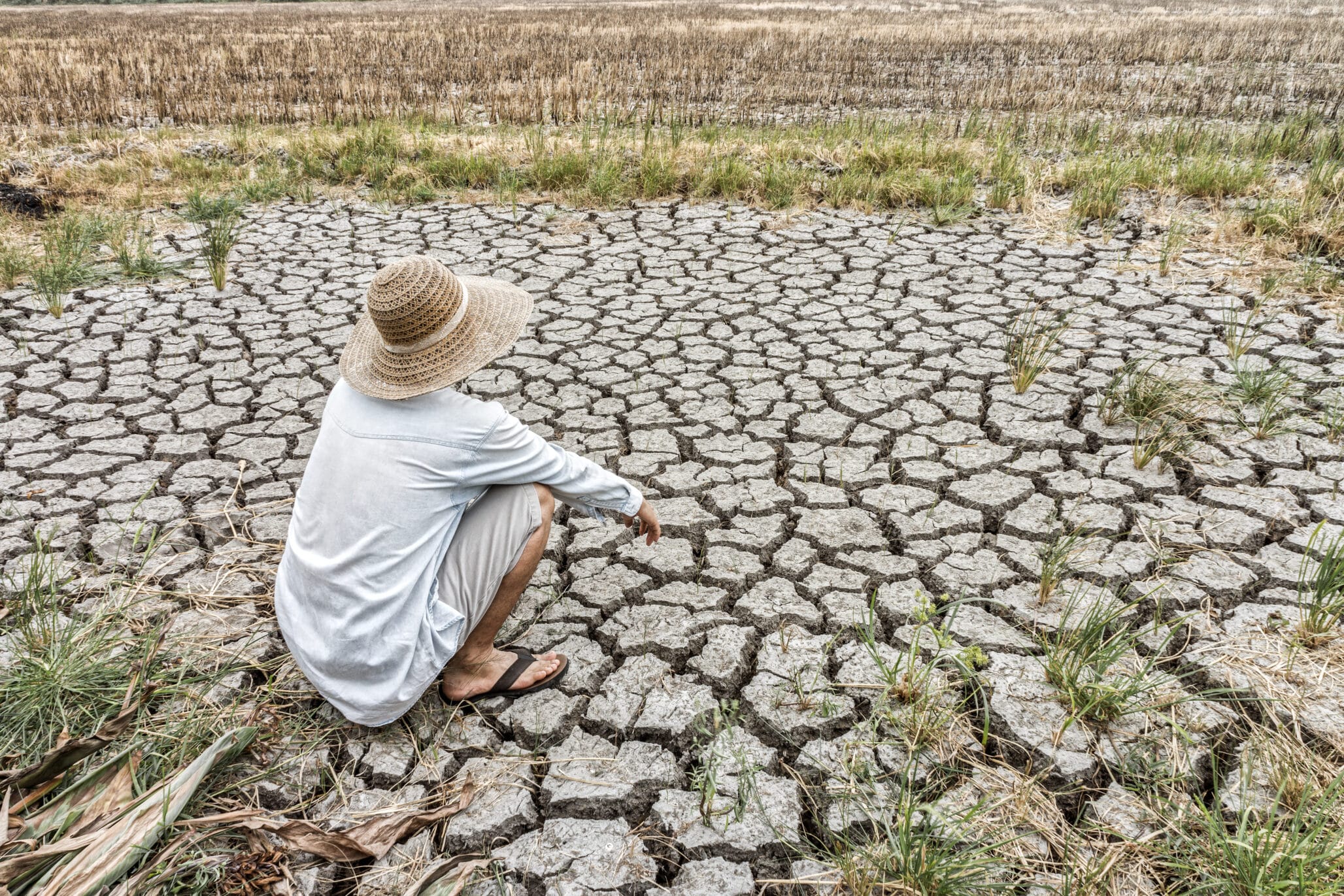
Drought is one of agriculture’s most damaging environmental stresses, restricting plant growth and reducing crop yields, according to a press release.
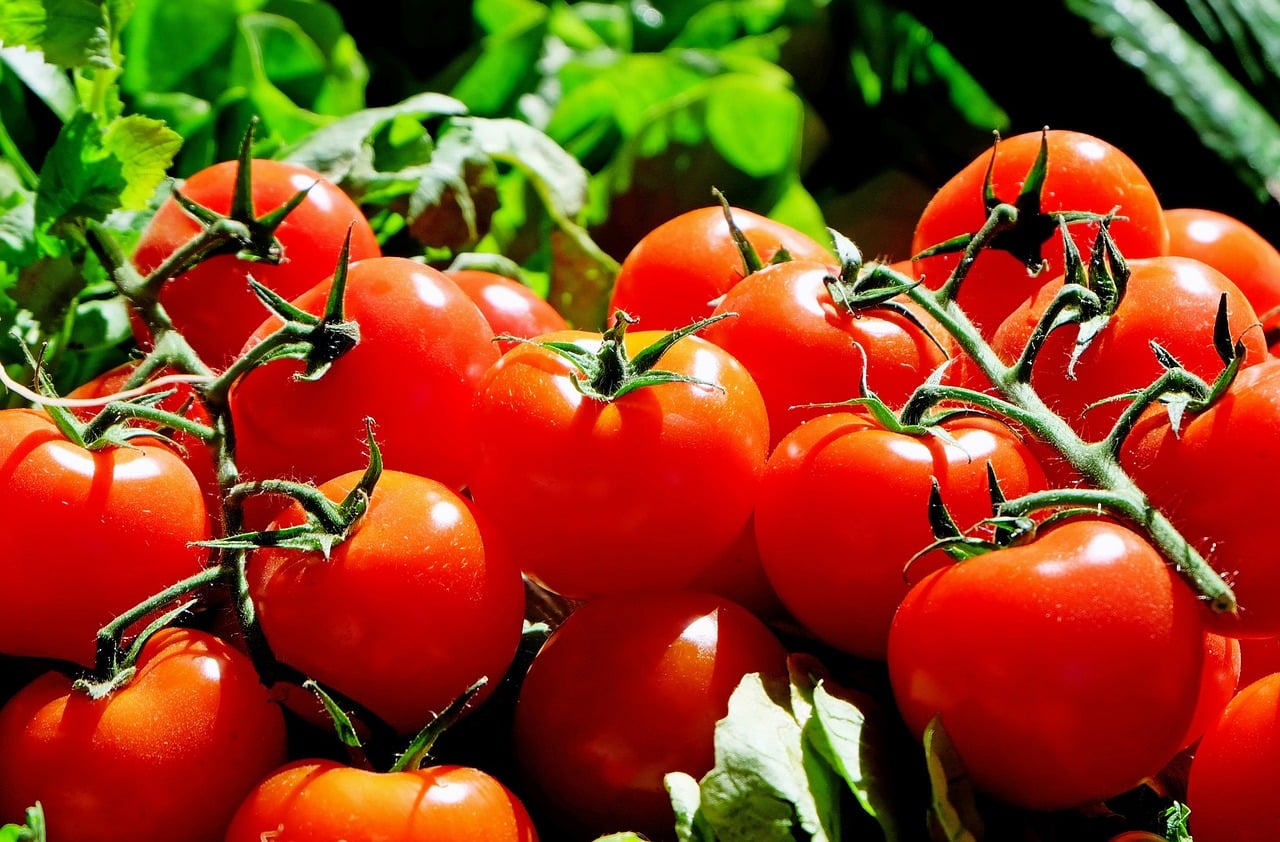
Tomato (Solanum lycopersicum) is a high-value vegetable crop, but its productivity can fall sharply when water is limited. As droughts become more frequent or unpredictable in many production regions, breeders are looking for traits that help plants remain productive and recover after periods of stress.
Plants respond to water shortages through several interconnected mechanisms. These include closing their stomata, adjusting internal water balance, changing root growth and activating hormone-controlled stress responses.
The newly identified SlbHLH70 gene appears to coordinate several of these processes.
Modified Plants Show Higher Survival
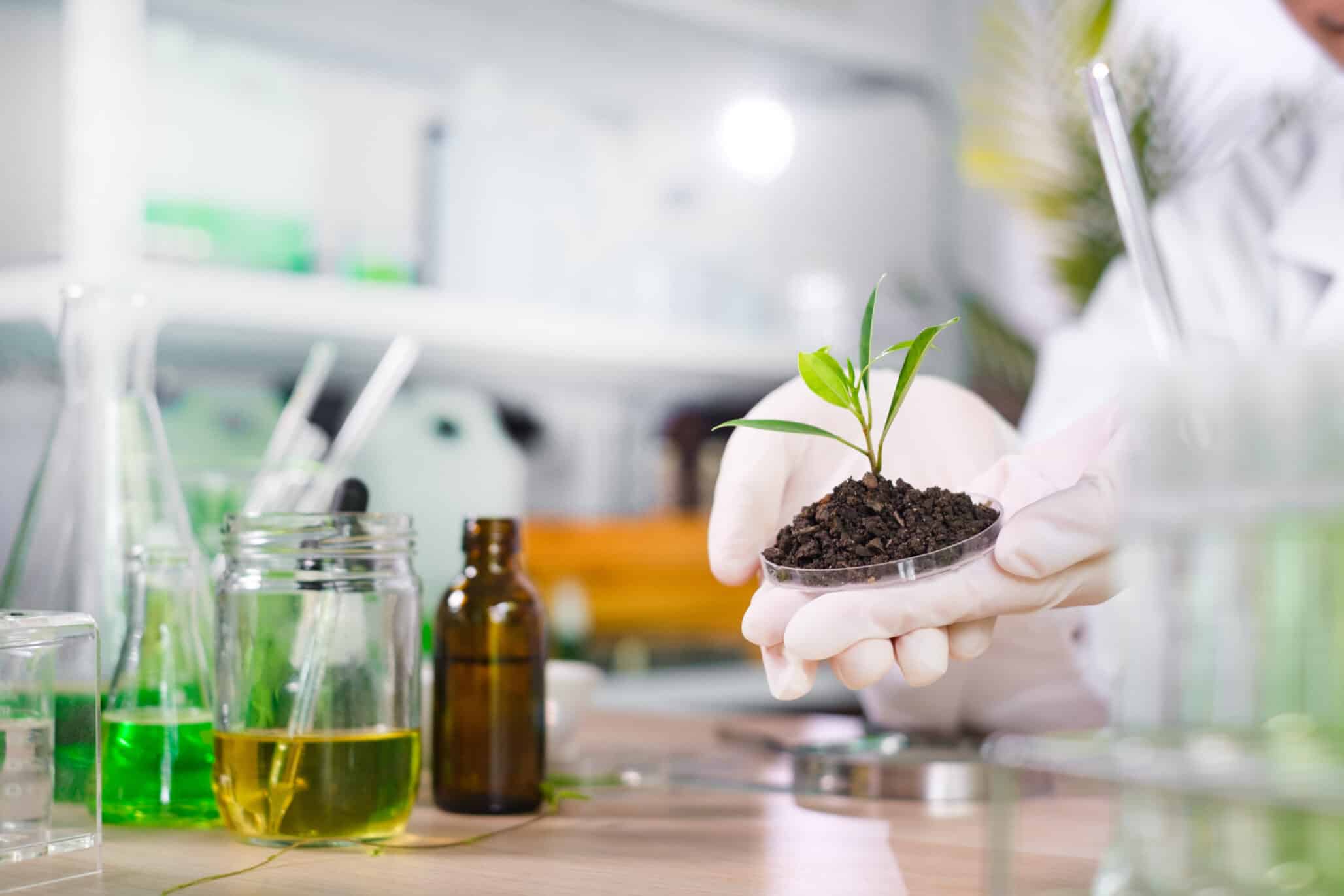
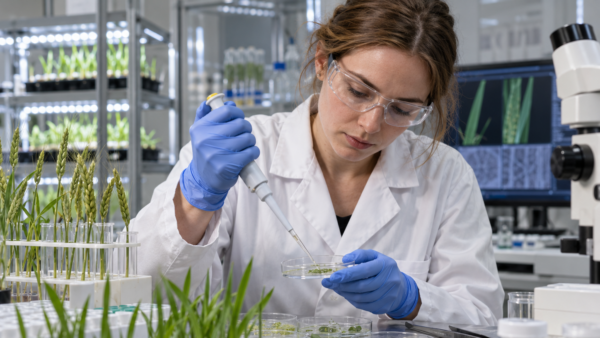
The researchers tested the gene in the tomato cultivar Micro-Tom. They produced plants that overexpressed SlbHLH70and used CRISPR/Cas9 to create lines in which the gene had been knocked out.
Following drought and rewatering, around 60% of the wilted overexpression plants survived. The survival rate among wild-type plants was below 40%, while plants lacking the gene suffered more severe damage and recovered less successfully.
The gene was rapidly activated by polyethylene glycol, which is used to simulate drought conditions, and by methyl jasmonate, a compound involved in plant stress responses. The SlbHLH70 protein was located in the cell nucleus, supporting its function as a transcription factor that controls the activity of other genes.
Gene Coordinates Two Hormone Pathways
Further analysis showed that SlbHLH70 influences abscisic acid, or ABA, which plays a central role in plant responses to drought.
It also affects jasmonic acid, or JA, another hormone involved in stress signalling and plant development. Measurements confirmed that changing SlbHLH70 activity altered the levels of both hormones.
By combining DNA affinity purification sequencing and RNA sequencing, the team identified 151 drought-responsive genes targeted by SlbHLH70.
Laboratory tests confirmed that the transcription factor binds directly to the promoters of several ABA-related genes, including SlSnRK2.1, SlPYL8, SlPP2C5 and SlCYP707A2.
Stronger Roots Support Drought Response
The gene also regulates targets associated with root development, including SlCycA2;1 and SlLBD40.
Tomato lines overexpressing SlbHLH70 developed stronger roots under drought conditions. This suggests that the gene does more than activate internal stress signals: it also helps produce physical changes that allow plants to continue searching for water.
The researchers therefore place SlbHLH70 at the centre of a broader drought-response network. Its role is not limited to a single protective mechanism but involves coordinating hormone balance, stress signalling and root-system development.
Potential Breeding Target Needs Field Testing
The findings make SlbHLH70 a potential genetic target for breeding tomatoes that can better withstand water shortages and recover after drought.
Genes regulated by SlbHLH70 could also provide molecular markers for screening a wider range of tomato germplasm.
Further field trials will be needed to establish whether the benefits seen in Micro-Tom translate into commercial varieties and production environments. Researchers will also need to assess effects on yield, fruit quality and performance under different patterns of water stress.
Nevertheless, the results suggest that improving drought resilience may depend on coordinating several plant systems rather than selecting for one isolated tolerance trait.
The study, “Slbhlh70 Improves Tomato Drought Tolerance,” is available in Horticulture Research.