Plant genetics unlocked soybean’s potential in Europe. Protealis believes bacterial genetics could unlock what comes next.
Europe’s protein challenge has a notable soybean problem. More than 90% of the EU soybean consumption is supplied through imports.
That dependency is attracting attention as fertiliser costs remain exposed to geopolitical and energy-market volatility, with natural gas as a major input in nitrogen fertiliser production. Meanwhile, drought challenges established cropping systems, and EU policy looks for ways to strengthen domestic protein production.
Soybean has a clear role here. As a legume, it can fix atmospheric nitrogen through its relationship with Bradyrhizobium bacteria, reducing its reliance on nitrogen fertiliser.
Acreage is expanding in parts of Europe, but nowhere near enough to meaningfully reduce import independence.
Plant genetics determine whether varieties perform, however soybean also depends on a symbiosis with Bradyrhizobium bacteria that are not naturally present in European soils and need to be introduced through inoculation.
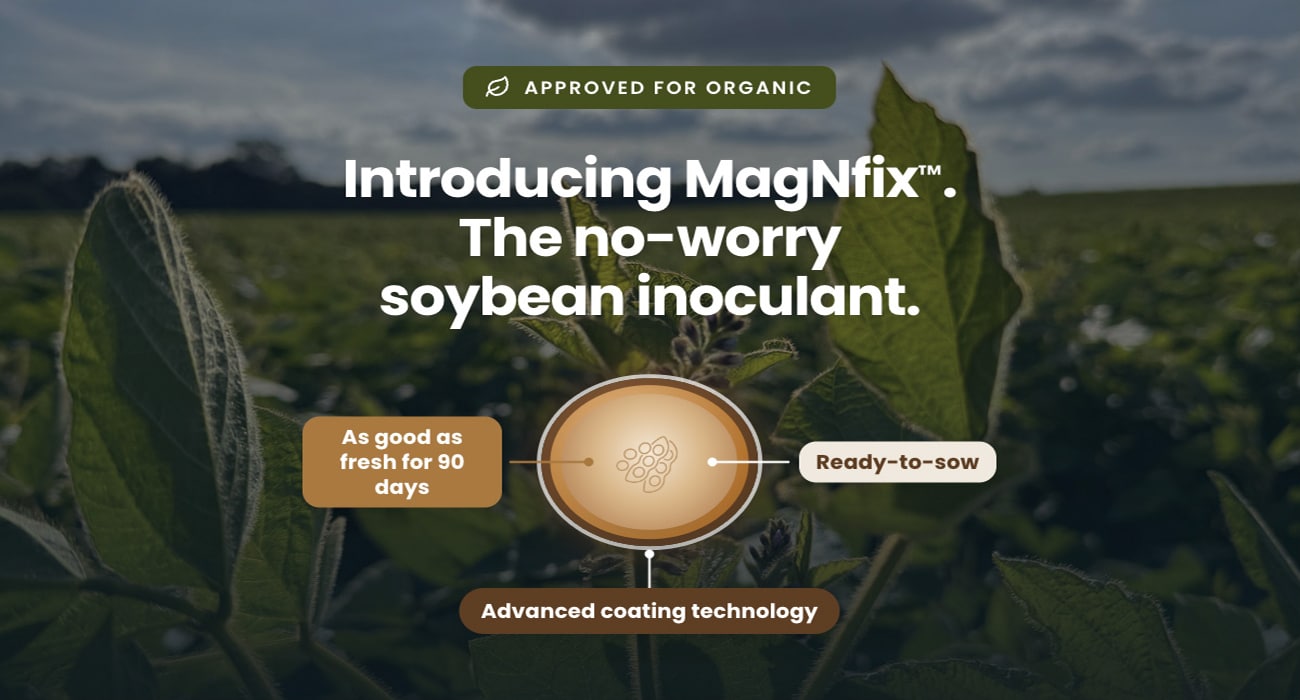
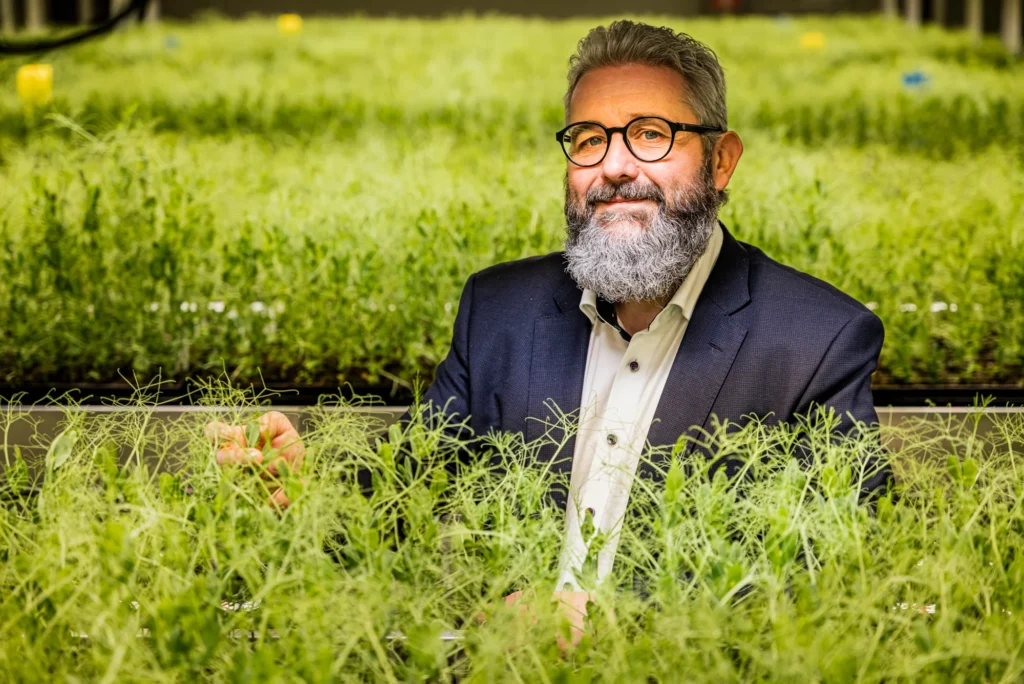
Seed World Europe spoke with Benjamin Laga, CEO of Protealis, about that challenge and why the company developed MagNfix™, a soybean inoculant designed for pre-application to seed.
It combines a Bradyrhizobium japonicum strain selected for European conditions with a formulation intended to keep bacteria viable on seed for 90 days before planting.
Growth in the North, Retreat in the South
Laga notes soybean acreage growth in cooler northern regions alongside challenges farther south. “We’ve seen strong growth in Poland, northern France, and Germany: definitely moving the right way,” he says. “Unfortunately, the growth has declined in the south, mainly due to drought and irrigation problems. Considering the summer we have experienced, this year will probably be the pinnacle of that.”
The result, he says, is that total EU soybean acreage has not dramatically changed.
Where Plant Breeding Hits Its Limits
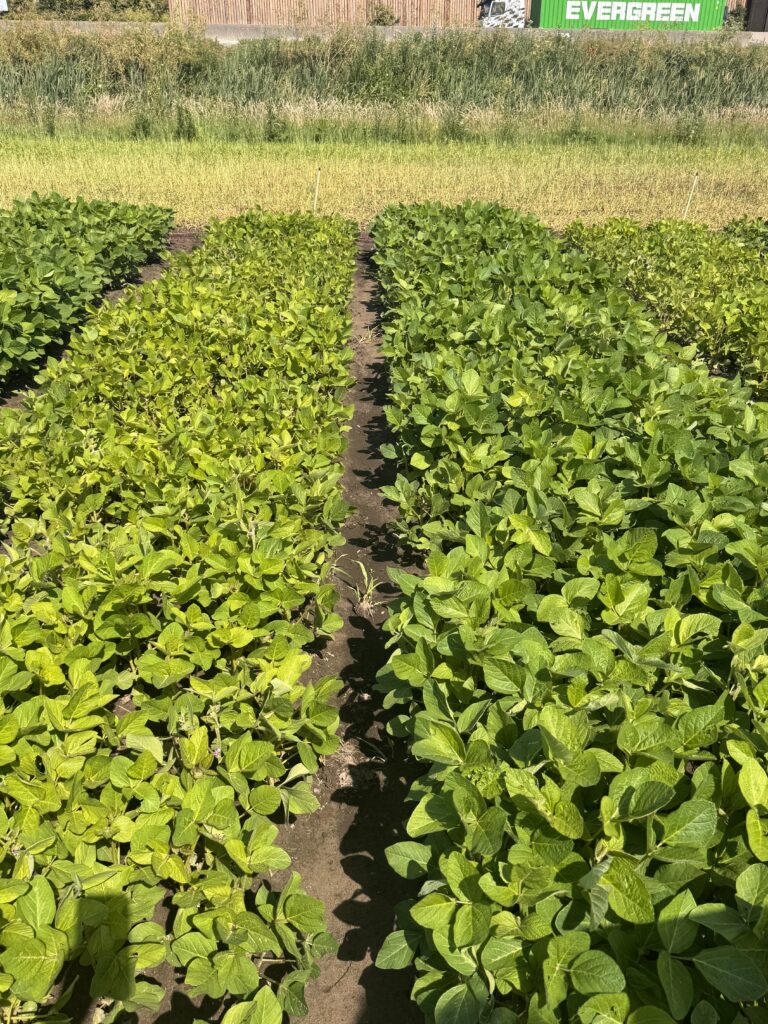
Laga argues that breeding alone cannot overcome the barriers to expanding soybean production. The first is economic, though he frames it as a temporary value chain problem: “Farmers don’t want to plant without having a place to sell; processors won’t invest without local farmers’ production.” As cultivation shifts north, the value chain follows, just more slowly than he’d like. However, he adds, starting an entirely new island of production from scratch, away from the outlet, is challenging.
The second limit is agronomic. “A good soybean field depends on good plant and bacterial genetics,” Laga says. That is why, he says, Protealis developed the inoculant MagNfix™, in parallel with its breeding programme. Plant breeding determines the genetic potential, while inoculation helps plants establish the nodulation required for nitrogen fixation.
Inoculation’s importance is easy to overlook, since its effects begin below ground. Poor inoculation can result from timing, uneven application, declining bacterial viability or problems with water or mixing.
Laga says manual inoculation is the biggest contributor to crop failures for new growers, usually because they are inexperienced in how to inoculate correctly. For experienced farmers scaling up, he adds, the challenge is the timing: on-farm inoculation is labour-intensive and hard to keep pace with when the window between the inoculation and seeding is tight across large fields. Both problems, he argues, produce inconsistent results that can slow adaptation.
Protealis has focused on pre-inoculation as a way to remove the on-farm application step. MagNfix™ is sold as a ready-to-sow seed through seed distributors rather than purchased as a standalone inoculant for farmers to apply themselves.
Effective nodulation supports nitrogen fixation, which influences crop growth and performance. “Visually, you can see it when you visit a field, lush, dark green inoculated plants versus lighter, shorter, non or poorly inoculated ones,” Juan Ramirez, Protealis’ Head of Microbiology, says.
Can Pre-Inoculated Seed Perform Like Freshly Inoculated Seed?
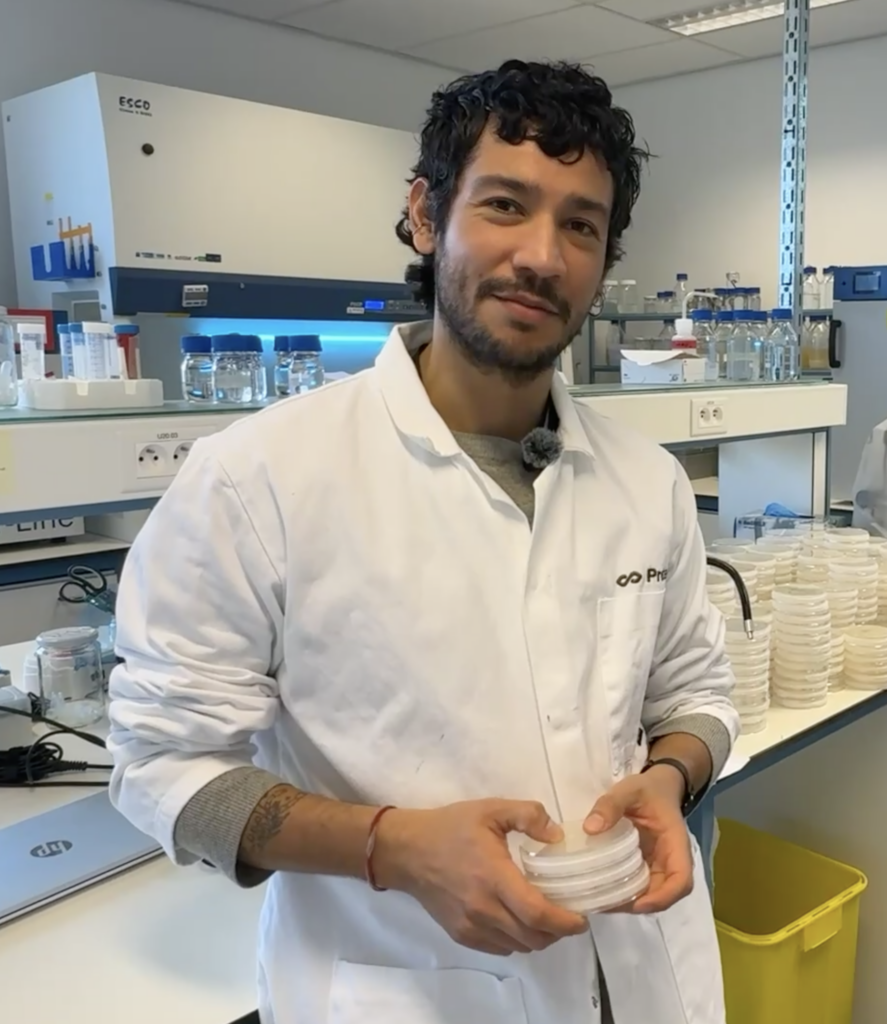
Of course, bacteria applied ahead must remain viable until the seed enters the soil.
Protealis first screened strains isolated from European soils and selected Bradyrhizobium japonicum SOY223, which it says is genetically distinct from other known strains and has demonstrated an ability to nodulate under cold conditions.
A patent application for the strain is under review.
“Once we had the right strain, we optimized the inoculant formulation to enhance the bacterial survival during storage and, in turn, build good nodulation,” Ramirez says.
Protealis measured bacterial survival on coated seeds stored at room temperature for 30, 60 and 90 days, then compared results with freshly applied inoculant and other commercial inoculants in both the laboratory and the field.
“Every time we had improvements in survival, we went to the field and checked: does it translate into better nodulation, better yield, better protein content?” Ramirez continues.
Protealis says its data show MagNfix™ performs as well after three months of storage as fresh. Data extended over three years and included trials in Belgium, France and Germany, conducted partly in-house and partly through external trial partners and research institutes.
One Piece of a Much Bigger Soybean Puzzle
Europe still faces questions around soybean processing capacity, markets, crop economics, drought, farmer experience and regional suitability. But inoculation raises a further question. Efforts to adapt soybean production to Europe have concentrated on the plant: earlier maturity, cold tolerance and regionally adapted varieties. Protealis’ work asks whether adaptation needs to extend to the microorganisms the crop relies upon as well.
For Laga, the stakes go beyond soybean. Legumes can help Europe reduce its dependence on protein imports and nitrogen fertiliser while strengthening climate resilience and soil health. “We need to rethink the classical crop rotations region by region and include more legumes,” he says. As soybean expands into new regions, adaptation cannot stop at the seed. The genetics of the bacteria around it matter too.
Are you a soybean seed distributor interested in the new soybean MagNfixTM inoculant technology? Join our cocktail event during Euroseeds2026 on Monday 26 Oct 2026 from 17.00-18.00 CET at Meliá Valencia Meeting Rooms – Across from the Euroseeds2026 Congress Center. Places are limited, register here: Contact Ewa Józefowicz Amador ejozefowiczamador@seedworldgroup.com