From questionable phytosanitary requirements to shifting tariffs, the economics of the seed trade don’t always carry enough weight in regulatory decisions.
We asked ASTA’s vice president of science, trade and global affairs, Sam Crowell, where the biggest trade headaches are coming from and what it will take to address them.
Seed World: ASTA spent much of this year fighting tariffs on seed. What did that fight expose about how vulnerable the U.S. seed industry’s R&D model is to trade policy?
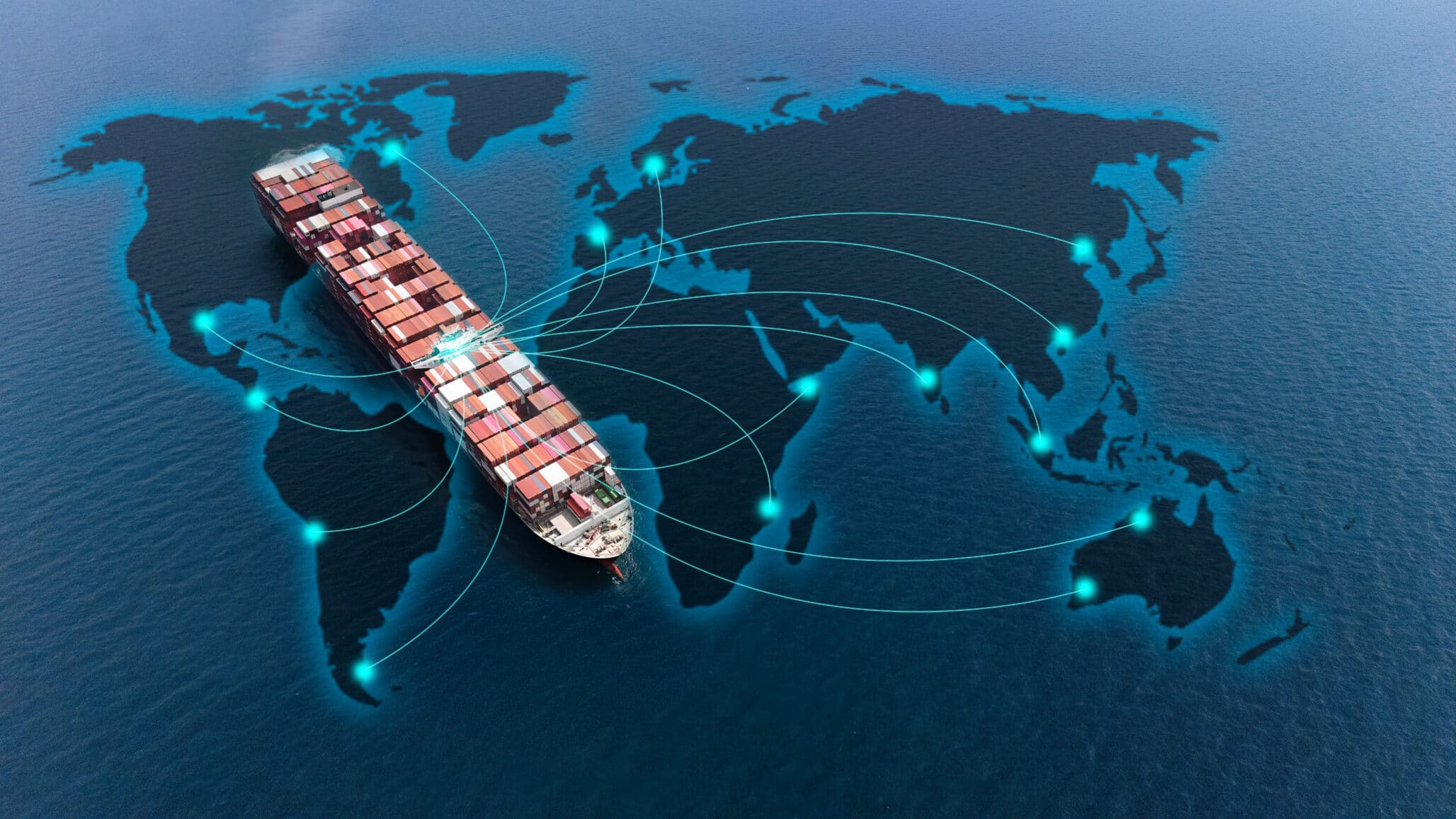
Sam Crowell: The developments over the past 18-24 months have reiterated how important it is for the seed sector to communicate the reality of our business: international seed movement is an essential part of how our industry delivers innovation to U.S. farmers. After working with our colleagues in the U.S. government over many months, ASTA was successful in these efforts. Since July, we have secured tariff exemptions for most categories of imported planting seeds coming from the majority of global markets.
Moving forward, it will be critical for our industry to continue to rally government officials to align on trade and regulatory policies, and we invite everyone to get more involved with ASTA as we chart the future of our advocacy.
SW: ASTA says it prevented new phytosanitary requirements this year that could have affected more than $45 million in annual seed exports. Where are you seeing the biggest disconnect between phytosanitary requirements and the actual risk associated with seed?

SC: My colleague, Dr. Martha Malapi, gets major kudos on this topic; she’s responsible for leading ASTA’s engagement across a wide range of phytosanitary issues impacting the seed business. In practical terms, she and ASTA members have the never-ending job of working to protect millions of dollars in trade – every time government officials move to update the phytosanitary procedures that control seed movement.
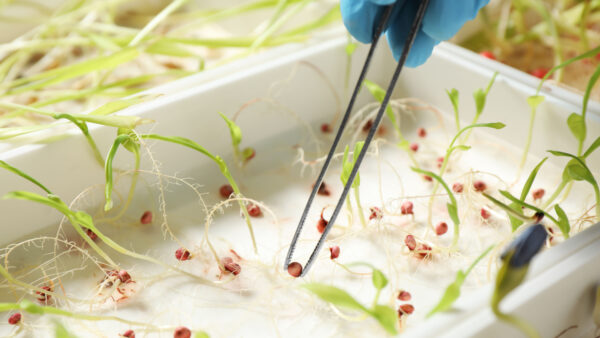
In some cases, changes to phyto procedures are warranted. New pests or diseases emerge that require controls in order to prevent spread of a pest in the field. However, in other cases, draft regulatory measures can accidentally miss the mark. For example, we see a lot of proposed regulations that attempt to control pests or diseases that are not actually seed borne (i.e., they cannot even be transmitted by a seed).
In other cases, proposed changes cannot feasibly be implemented because seed health tests don’t even exist yet, or policies go into effect without appropriate transition times for companies to respond and produce seed in compliance with new requirements. In the most frustrating examples, changes to certificate requirements that have nothing to do with safety lead to stuck shipments, due to confusion between regulatory and customs officials at a port of entry.
Looking to the future, I think our biggest challenge is our industry’s diversity. The size of individual crop species or markets impacted by regulatory measures can in fact be quite small – when compared to other agricultural industries. In market terms, you can sympathize with a government official who is worried about a hypothetical pest and makes a strategic trade-off; a protective phytosanitary measure seems worthwhile when compared to the loss of a $300K-$3M in imports, which could be viewed as barely a rounding error.
However, the long-term ramifications for the future of agriculture are significant. It is critical for governments to work together to implement science-based policies.
SW: Seed companies tend to think about market access crop by crop and country by country. When you look across all of them, what patterns do you see?
SC: It’s hard to generalize with such a diverse industry, because different buckets of the sector tend to operate in different ways. For example, there are unique challenges facing the turf grass industry’s exports of large, containerized seed shipments, vs. the veg and flower industry’s need for smaller R&D research plots across a wide range of countries, vs. the row crop industry’s historical challenges with regulatory barriers to innovative technologies.
This is why ASTA’s overarching trade advocacy focuses as much as possible on addressing the root cause of barriers that exist for the whole industry. Our big bucket priorities have always been to align intellectual property (IP) approaches, biotechnology regulations, and phytosanitary regulations – and we work hard to promote best practices and engage regulators with practical solutions. As new issues like tariffs have become more urgent, we’ve pivoted accordingly.
SW: What should the seed industry be doing now to shape the future?
SC: Our industry has always had to plan ahead. It takes us 10-15 years to develop a new variety and the decisions we’re making now will dictate what farmers can plant in the 2030s. How do we harness that strength to drive a vision for the future of U.S. agriculture? We are in a world where globalization and trade negotiations that used to discuss a wide range of products and markets are giving way to bilateral, country-by-country discussions. Government officials all over the world are increasingly asking for sector-specific ideas. Setting aside shifting trade policy, we are also increasingly hearing more nuanced questions about how domestic industries at home can continue to benefit from investment. What will U.S. farmers grow ten years from now? How do we ensure that the U.S. continues to lead the world in agricultural innovation? We don’t have easy answers to the questions, but we have a culture within our industry of preparing for unpredictable futures. The ASTA team encourages you to get involved in our strategic planning process and help us chart a future together.