University of Nottingham experiments found that roots grew better under heat stress in neutral soils, suggesting that liming acidic soils could help plants recover after short bursts of extreme heat.
When air temperatures climb, soils can heat up enough to damage plant roots, making it harder for crops to take up water and nutrients. University of Nottingham researchers found that soil acidity can compound that damage. In their experiments, roots grew better under heat stress in neutral soils than in acidic soils.
Soil pH Shapes Root Recovery
In one experiment, researchers grew plants for 10 days in soil columns with or without calcium carbonate. They exposed the plants to heat for one day, then gave them two days to recover at 21°C. Plants grown in limed soil showed better root and shoot recovery, according to a press release.
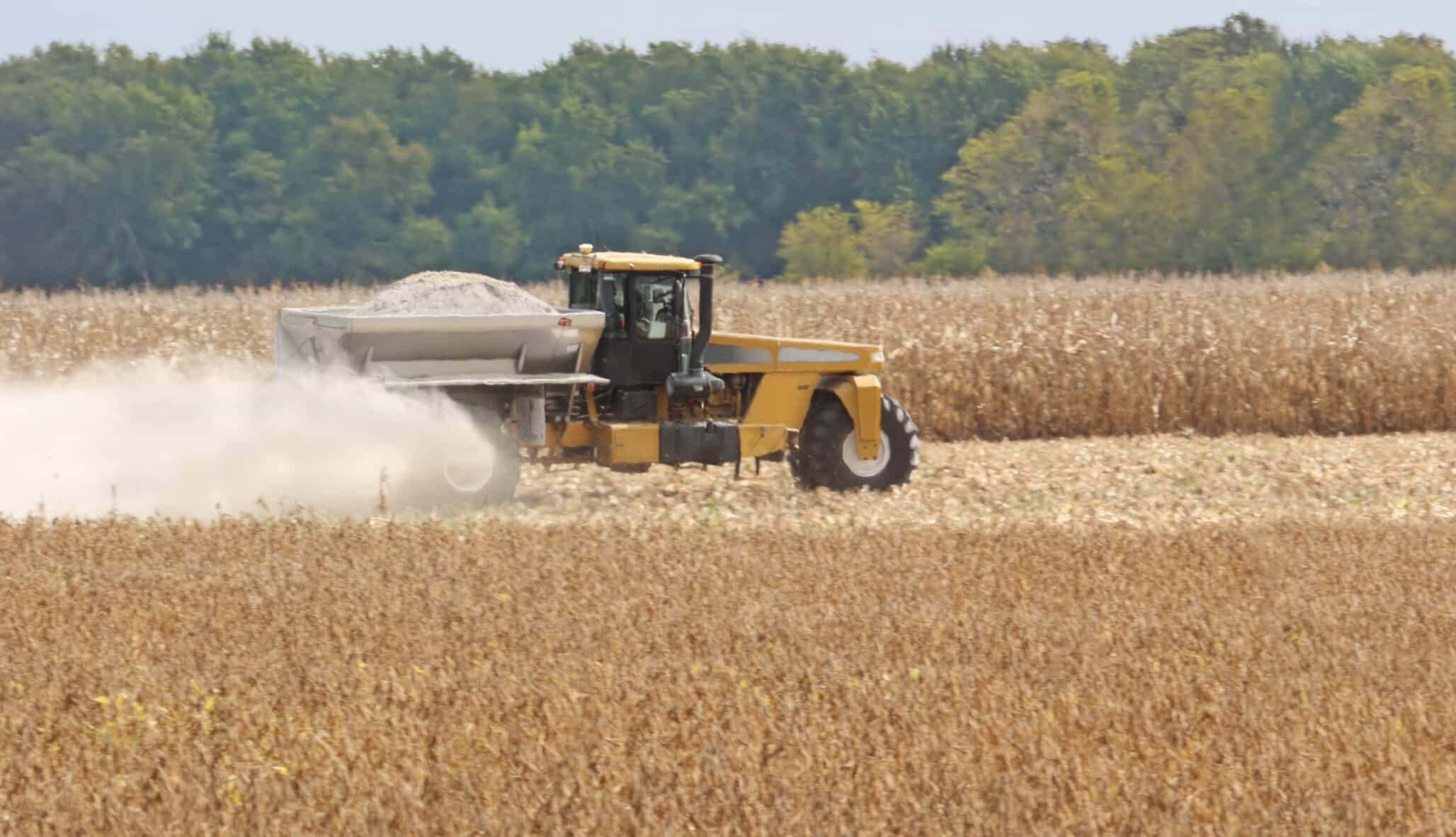
“One possible way to improve root health during periods of high heat could be through liming, the practice of adding agricultural lime to acidic soils to raise their pH,” said Aneesh Lale, a research fellow in the university’s School of Biosciences and the study’s first author. “By reducing soil acidity and helping maintain a more stable pH, liming could create conditions that are more favourable for root growth and recovery during periods of extreme heat.”
What the Findings Could Mean for Growers
Applying lime is already an established way to manage acidic soils. The experiments point to a potential benefit during short periods of heat stress. How much that improvement in root recovery could protect crop yields under field conditions remains an open question.
“The findings highlight soil management as a potentially valuable tool for helping agriculture adapt to climate change,” said Rahul Bhosale, associate professor of functional genomics and the study’s corresponding author. “By managing soil pH through established agricultural practices such as liming, farmers may be able to reduce some of the negative impacts of extreme temperatures on crop growth. Understanding how soil properties influence plant responses to environmental stress will be critical for developing climate-resilient cropping systems in the future.”
Read the study in Nature Communications.