

On-Seed Inoculants: A Conversation with Marc Béland on the Future of Seed Treatment
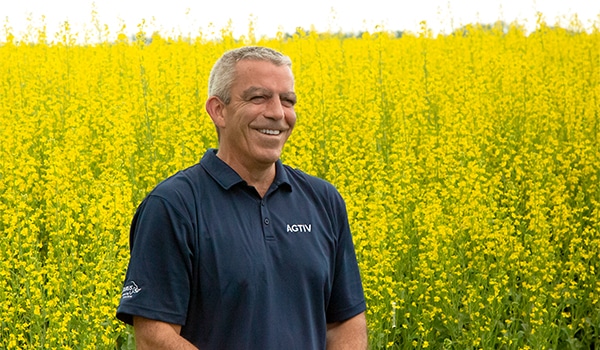
On-seed inoculants are revolutionizing modern seed treatment by harnessing beneficial microorganisms to enhance nutrient uptake, stress resistance, and yield. In an interview with Marc Béland, Senior Director at Premier Tech, he explains how AGTIV® innovations like IGNITE®, FUEL®, and ENRICH® are simplifying logistics for seed treaters with extended shelf life and no cold storage requirements. These biological solutions boost nutrient use efficiency (NUE), improve root development, and ensure healthier, more resilient crops. As agriculture evolves, on-seed inoculants are becoming essential tools for sustainable growth and higher productivity.
Proven Seed. Backed by Experience.
SeedNet delivers high-quality seed and crop inputs trusted by Western Canadian farmers. Backed by decades of hands-on experience, our retail seed farms test and grow the varieties we sell for proven performance. From barley and wheat to peas, every SeedNet variety offers strong yields, disease resistance, and reliable results
Building Trust for Fair Access to Patented Traits
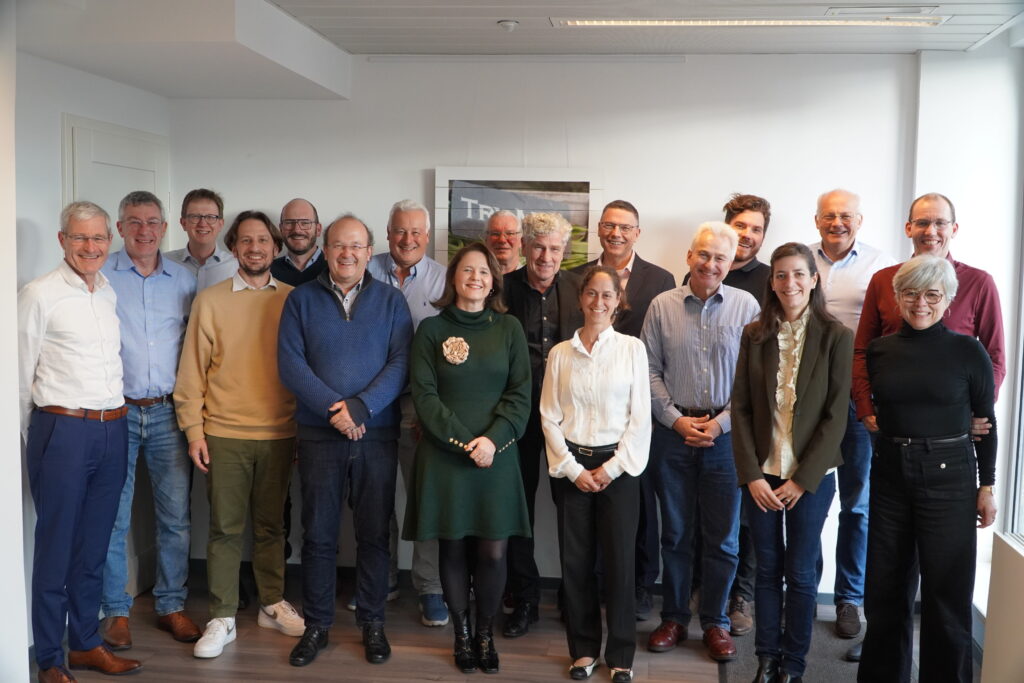
Arbitration offers a fair, expert-led way to resolve disputes efficiently in the seed sector. The Agricultural Crops Licensing Platform (ACLP) uses a “baseball arbitration” model to ensure transparent, timely royalty agreements for patented traits. With trained, independent arbitrators and clear procedures, the system promotes fairness, collaboration, and trust — supporting innovation and equitable access across agriculture.
Here’s What to Expect at GrowCanada 2025

The program is stacked with sessions that tackle some of the most transformative forces shaping the industry.
Farmers Say ‘I Don’t Have Time to Be Unwell.’ This Scientist Is Fighting to Change That
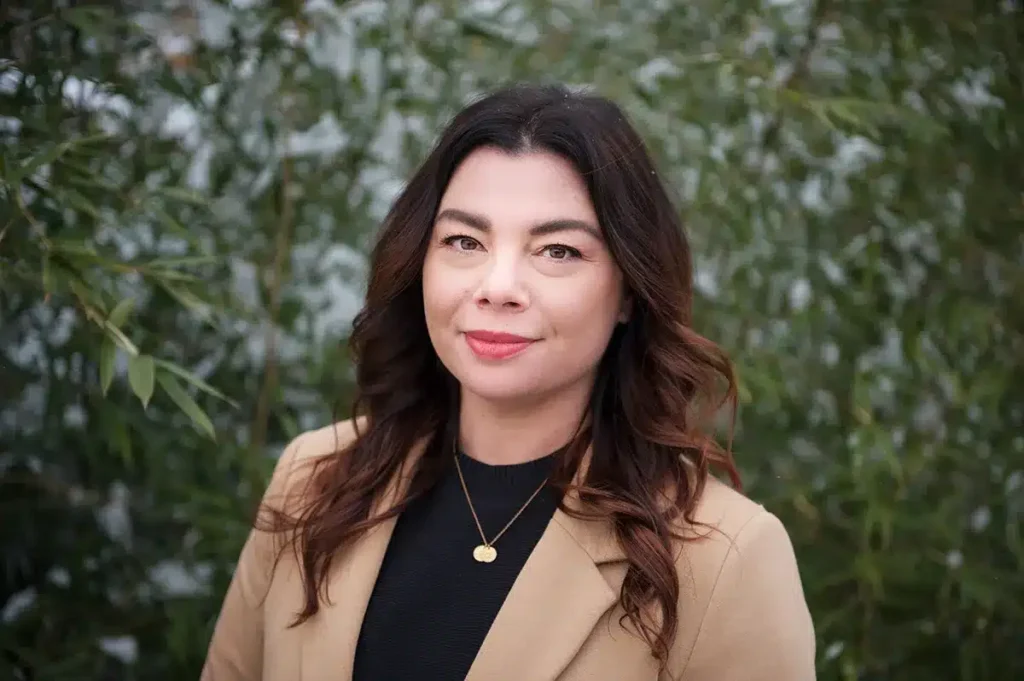
Dr. Briana Hagen’s groundbreaking work is changing how Canada talks about — and treats — mental health on the farm. Across Canada, women in agriculture are quietly carrying an invisible […]
How a 3D Model Helped a Retailer Avoid Expensive Mistakes and Build Smarter
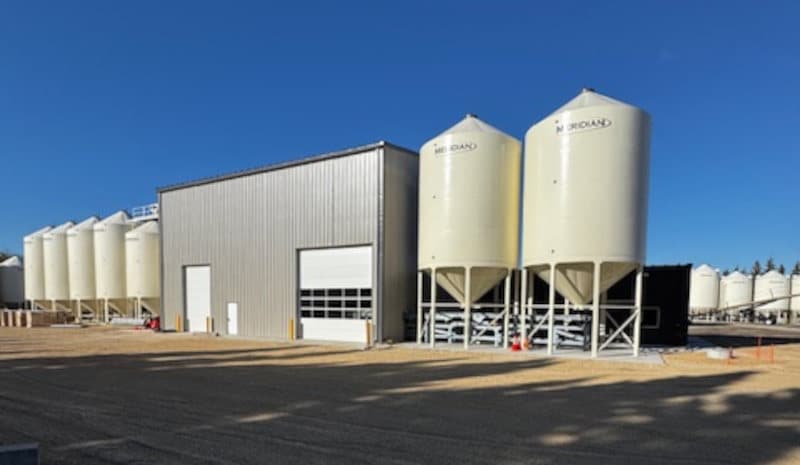
It all started with a rough sketch. Fall of 2023, my oldest had just finished his ag diploma and was coming home to join the farm full-time. I knew it […]
Industry Has Warned Ottawa That Red Tape is Choking Our Farm Economy

CropLife Canada says regulatory inaction is costing Canada billions in lost growth and threatening the country’s place as a global agri-food leader
Seeds of Change – Balancing Productivity and Planet
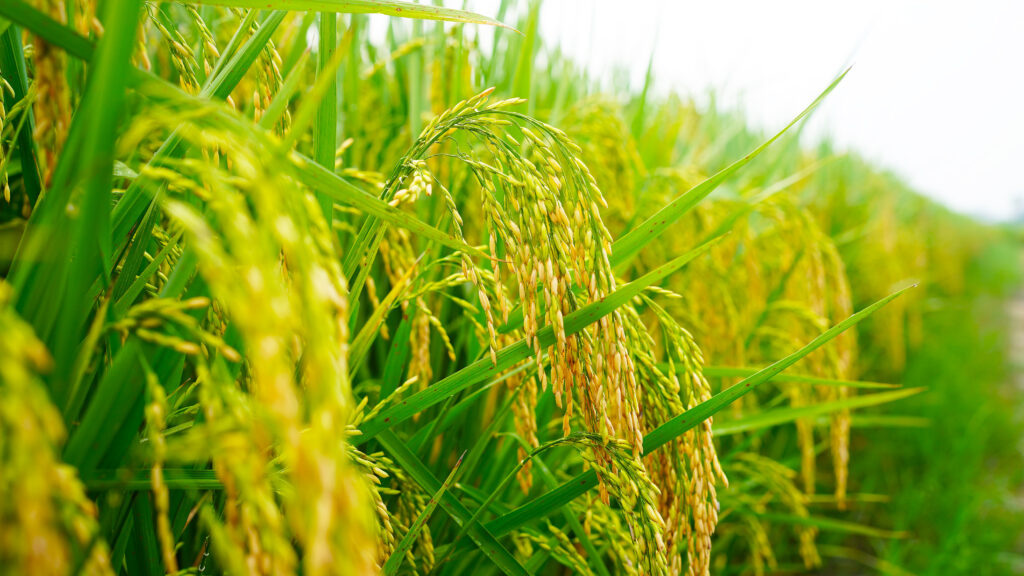
Agriculture’s definition of success is shifting from maximizing yield to optimizing sustainability. Today’s seed innovation focuses on producing more with less — less water, fewer emissions, and reduced resource use — while restoring ecosystems and supporting farmer livelihoods. Collaboration across the seed sector is driving this transformation, aligning efforts to integrate environmental and social responsibility into every stage of breeding. From improving water efficiency and soil health to enhancing feed quality and reducing carbon footprints, the new measure of progress balances productivity with planet-friendly performance. The era of “better yield” has begun — where sustainability grows from the seed up.
Inari Names New CEO

Lisa Nunez Safarian, a longtime agriculture executive with leadership experience at Monsanto and Bayer, has been named CEO of Inari, the SEEDesign company. Safarian will guide Inari’s next phase of growth as it advances its AI-driven platform to design higher-performing soybean, corn and wheat seeds.
Next Gen Leadership Sprouts from Oregon’s Grass Seed Country
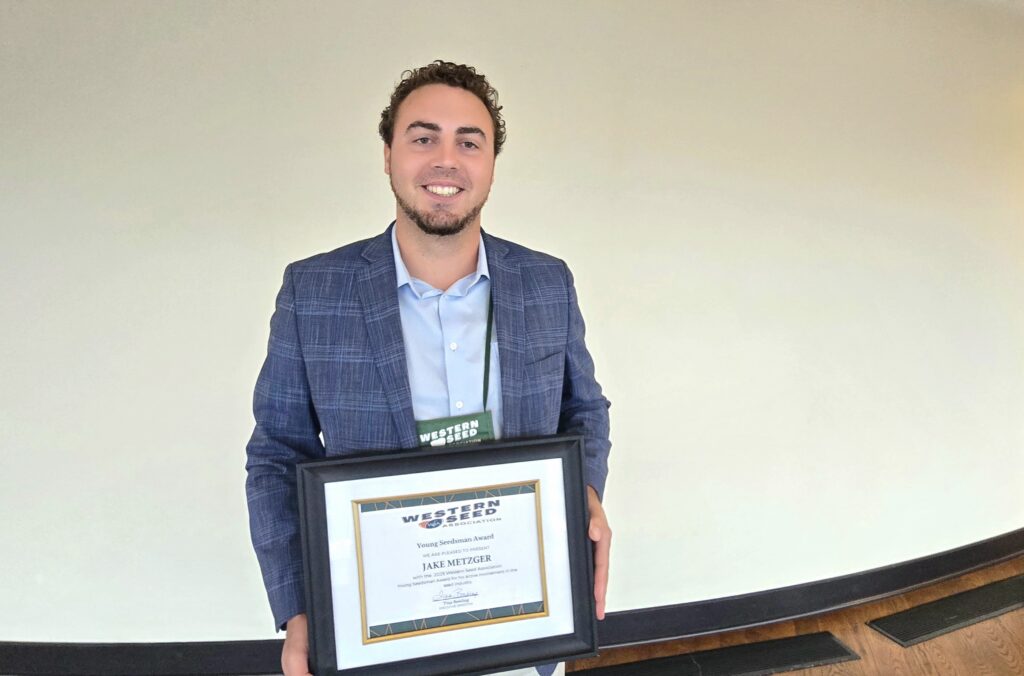
Jake Metzger of Landmark Seed, winner of the 2025 Western Seed Association Young Seedsman Award, shares how humility, transparency and strong relationships shape his work in Oregon’s grass seed industry and inspire the next generation of leaders.
Connections Still Drive the Seed Business
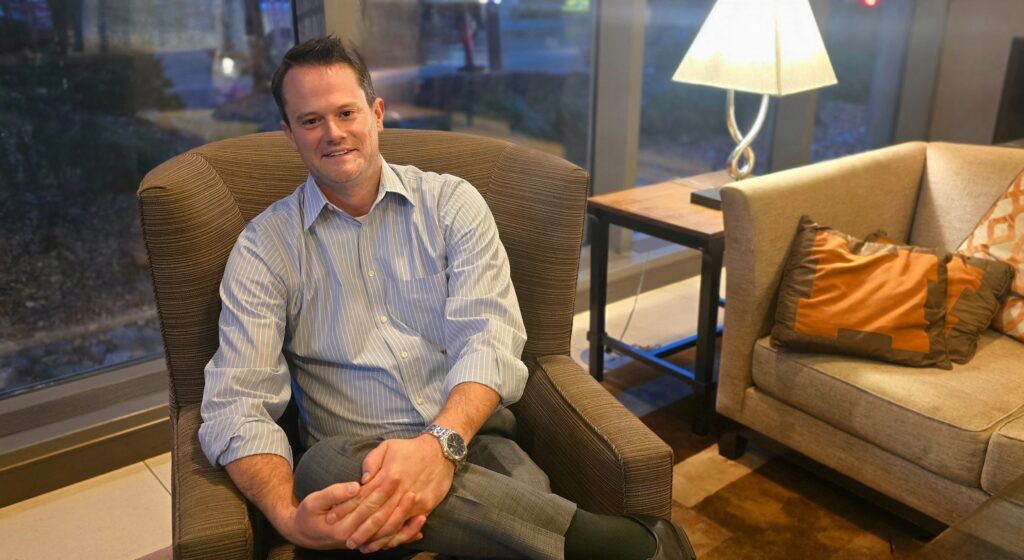
Missouri Southern Seed’s Mike Cowan takes on the Western Seed Association presidency with a focus on connection, independence and the value of keeping relationships personal in a fast-changing seed industry.
AIPPI Urges EU Institutions to Reconsider Broad Patent Ban on NGT Plants
AIPPI warns that the European Parliament’s proposed ban on patents for New Genomic Technique (NGT) plants could hinder innovation, investment, and competitiveness in Europe’s biotechnology sector. The association urges EU institutions to consult all stakeholders and ensure intellectual property laws continue to support research, transparency, and sustainable agricultural development.
Líderes Agropecuarios Mundiales se Unen para la Acción Climática

En vísperas de la COP30, la Federación Internacional de Semillas (ISF) y la Asociación Internacional de Productos Frescos (IFPA) refuerzan su alianza para impulsar la sostenibilidad y la resiliencia agroalimentaria. Su colaboración une innovación, ciencia y políticas para promover sistemas regenerativos, reducir el desperdicio y fortalecer la acción climática desde la semilla hasta el punto de venta.
How KWS Is Creating Seeds For The Future
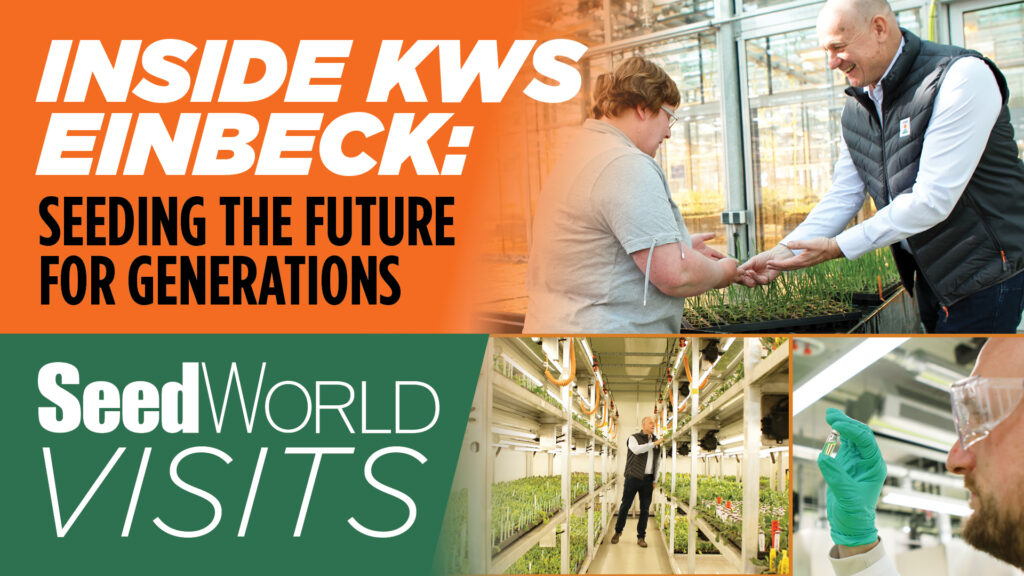
Join us as we step inside the world of one of agriculture’s most forward-thinking seed companies: KWS. From beginnings in sugar beet breeding in Klein Wanzleben, Germany in 1856, to global research & development hubs in Einbeck, Europe and U.S., KWS is on a mission: Seeding the future for generations.
INRAE Signs Seven Deals in China to Boost Scientific Cooperation

During a visit to China, INRAE signed seven new scientific agreements with top Chinese institutions to strengthen collaboration in carbon neutrality, agroecology, biodiversity, plant genetics, nutrition, and sustainable livestock farming. The visit also marked the opening of a joint INRAE–CIRAD office at the French Embassy in Beijing to enhance Franco–Chinese research cooperation. Renewed partnerships with CAAS and new initiatives with the Chinese Academy of Sciences will advance joint studies in wheat genomics, plant biology, soil and water management, and climate adaptation, reinforcing INRAE’s global leadership in sustainable agricultural research.
Cover Crops That Pay Off
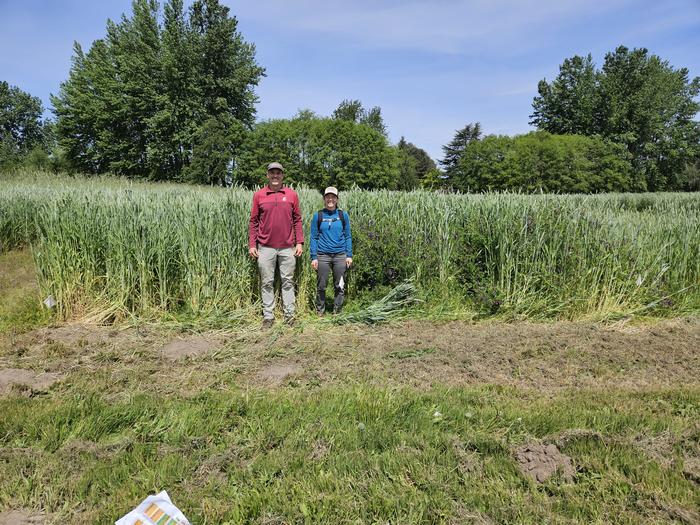
Washington State researchers find triticale and hairy vetch can improve soil health and serve as new biofuel sources without hurting farmland.
Could a Trump Media Ban Mean Delayed Seed Rules for U.S. Farmers?

This isn’t about taking sides. It’s about how information moves from Washington to a shop floor in Iowa or a conditioning plant in Kansas
NordGen Recognized by FAO for Contributions to Plant Genetic Resources
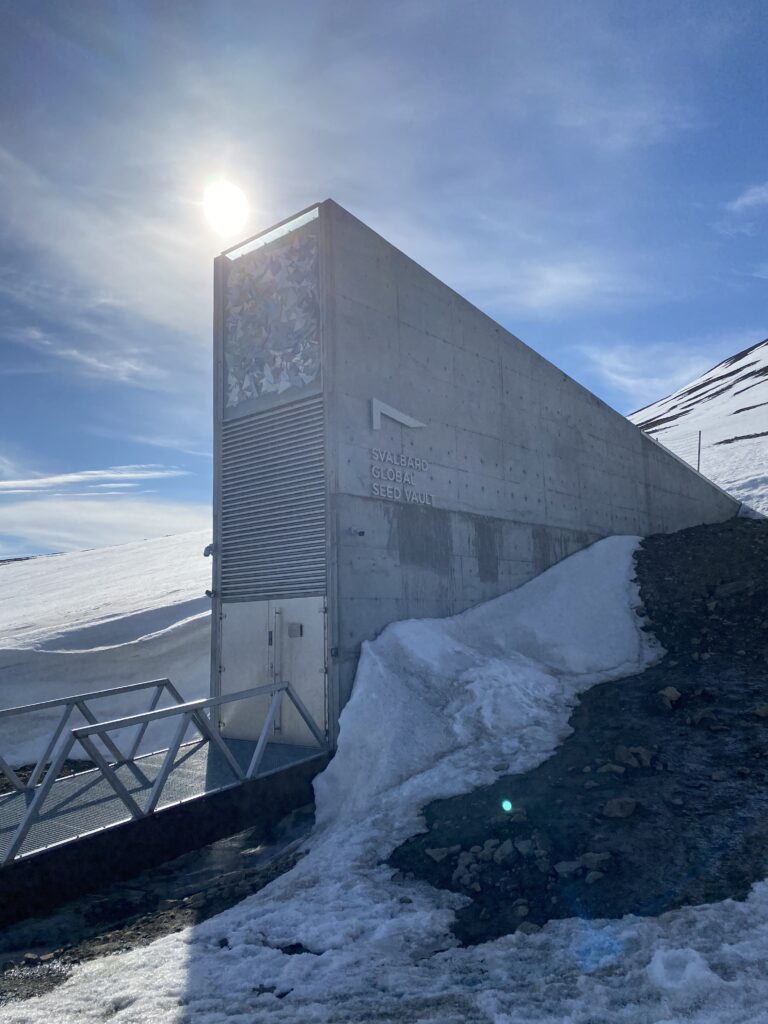
The FAO marked its 80th anniversary in Rome with a Global Technical Recognition Ceremony honoring 239 global leaders in sustainable agrifood innovation. Lene Krøl Andersen, Director of NordGen, was recognized for excellence in Sustainable Plant Production and Protection, celebrating NordGen’s 45-year legacy of Nordic cooperation in preserving plant genetic resources and global partnerships like the Svalbard Global Seed Vault.
Fertiliser Boosts Soil’s Ability to Lock Away Carbon

The 180-year Broadbalk Experiment at Rothamsted shows long-term nitrogen and phosphorus fertilisation can boost soil carbon storage, helping mitigate climate change. Research reveals that N and P affect microbial activity and carbon persistence differently, with combined use maximizing stable soil carbon. Findings underscore the importance of long-term trials and careful nutrient management for sustainable agriculture.
Forget the Old Playbook — Ottawa’s New Reality Demands a New Kind of Ag Leader

With the postwar order changing fast, Canada’s agri-food future depends on whether it can adapt faster than its allies
Mejoramiento en el Marco del Tratado Sobre la Línea: El Futuro del Sistema Multilateral
La reunión del TIRFAA en Lima podría redefinir el acceso global a los recursos fitogenéticos. Si se logra un acuerdo para mejorar el Sistema Multilateral, los obtentores y la industria de semillas tendrían un marco más claro, justo y viable para compartir diversidad genética, impulsando la innovación agrícola y la seguridad alimentaria mundial.
Locked Genes, Lost Opportunities?

The shift from viewing seeds as a common heritage to recognizing national sovereignty over genetic resources—formalized by the CBD (1993) and ITPGRFA (2004)—aimed to ensure fairness and prevent biopiracy. However, it has also created barriers that slow plant breeding and limit access to vital genetic diversity. To sustain global food security and innovation, countries must balance sovereignty with cooperation through a more effective, accessible Multilateral System.
ASTA Takes the Lead in Crop Biotechnology Advocacy

ASTA will lead U.S. advocacy for plant breeding and crop biotechnology after BIO’s agriculture division closed, ensuring continued support for innovation and regulation.
Who Decides the Future of Europe’s Ag Sector?
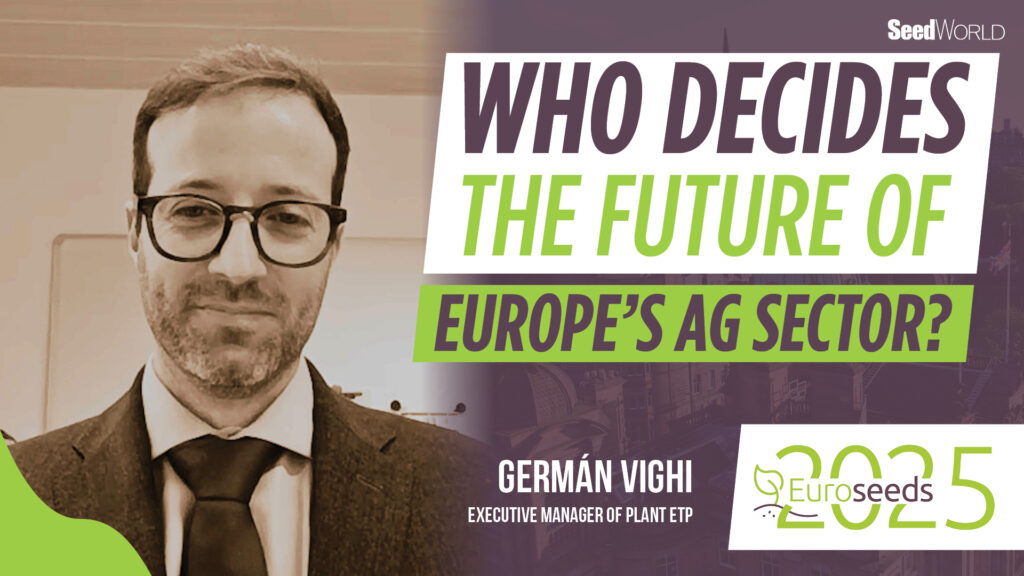
Climate change, evolving regulation, and rapid innovation are reshaping how Europe grows its food. But who’s steering that change — and how are decisions really made? In this interview, we […]
Argentina Aprueba la Comercialización de la Soja Transgénica DBN8205

Argentina aprueba la soja GM DBN8205, resistente a insectos lepidópteros y tolerante al glufosinato. Se permite su siembra y comercialización nacional, reforzando la competitividad del país.
Argentina Approves Commercialization of GM Soybean DBN8205

Argentina approves GM soybean DBN8205, resistant to lepidopteran insects and tolerant to glufosinate. Nationwide cultivation and marketing are now allowed, boosting the country’s soybean competitiveness.
You Deliver the Best New Genetics? Here’s What to Say Instead

Learn how to transform your marketing message by shifting focus from your company to your customer. Instead of claiming, “We deliver the best new genetics,” position your customer as the hero — the grower who achieves success with your guidance and products. This approach, inspired by the hero’s journey, reframes your brand as the trusted guide helping customers overcome challenges and reach their goals. By telling stories that start with their aspirations, reflect their reality, and celebrate their wins, you build deeper connections and inspire action. Make your storytelling about their success — not your achievements.
You Deliver the Best New Genetics? Here’s What to Say Instead

Learn how to transform your marketing message by shifting focus from your company to your customer. Instead of claiming, “We deliver the best new genetics,” position your customer as the hero — the grower who achieves success with your guidance and products. This approach, inspired by the hero’s journey, reframes your brand as the trusted guide helping customers overcome challenges and reach their goals. By telling stories that start with their aspirations, reflect their reality, and celebrate their wins, you build deeper connections and inspire action. Make your storytelling about their success — not your achievements.
East-West Divide in Lettuce Pest Threatens UK Crop Yields, Study Finds

New research reveals regional differences in currant-lettuce aphid populations across England, showing eastward migration into major lettuce-growing areas but limited westward movement. The findings highlight the need for region-specific pest management strategies to protect the UK’s valuable lettuce industry amid rising pest pressures.
And the 2025 Euroseeds InnovAction Awards Go To…
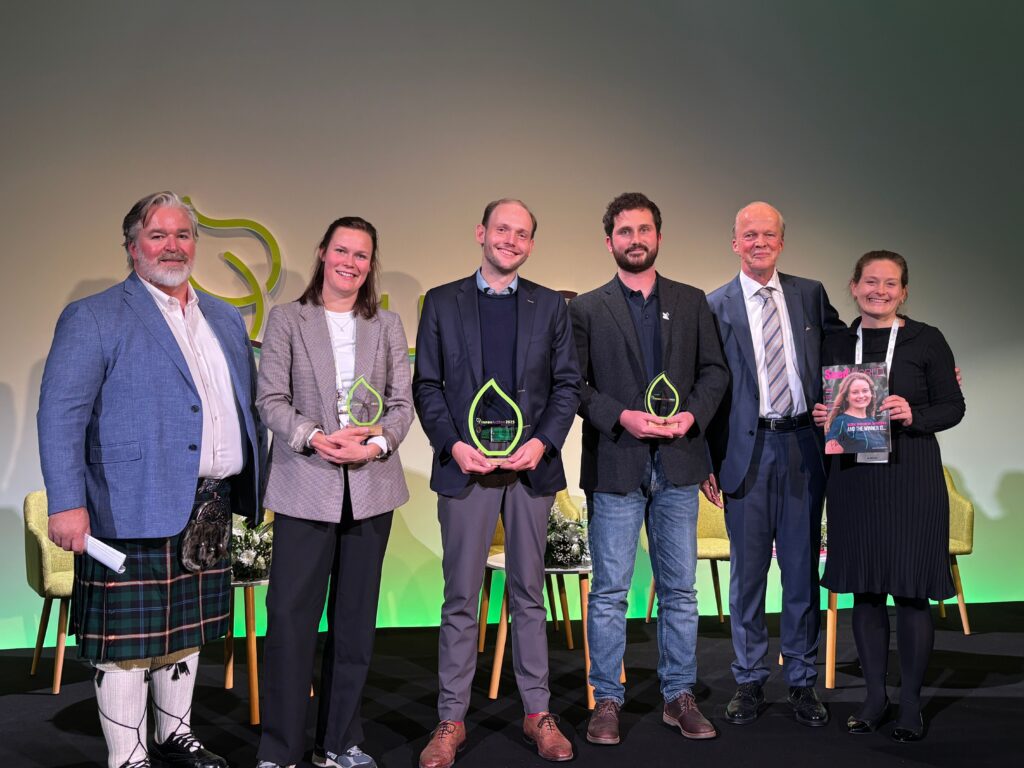
After two days of intense pitching, the Euroseeds InnovAction Stage crowned three groundbreaking technologies redefining the seed value chain. More than 20 applications. Eight spectacular finalists. One powerful message: the […]
European Seed Sector Endorses an EU-UK Regulatory Alignment at Euroseeds2025 Congress

At the Euroseeds2025 Congress in Edinburgh, industry and policymakers urged closer EU–UK regulatory alignment to ease post-Brexit seed trade barriers. A proposed SPS Agreement would streamline seed movement, harmonize rules, and support innovation.
The Global Tool Changing How Labs See Fusarium

Why reliable diagnostics matter for everyone — from breeders and seed growers to global testing networks
When Journalists Aren’t Free Agriculture Pays

Recent restrictions on journalists at the U.S. Pentagon threatens all freedom of the press.
Study Identifies the Best Breeding Strategy for More Productive Wheat Varieties

New research shows wheat varieties with the highest yield under optimal conditions also perform best under drought and heat stress. Scientists propose selecting high-yield candidates early, then testing them in target regions, creating a more efficient, cost-effective breeding strategy. Key traits include deep roots, efficient photosynthesis, and canopy structure, offering a roadmap for resilient, productive wheat amid climate change.
Growing What Lasts: How Sustainability Became Smart Strategy
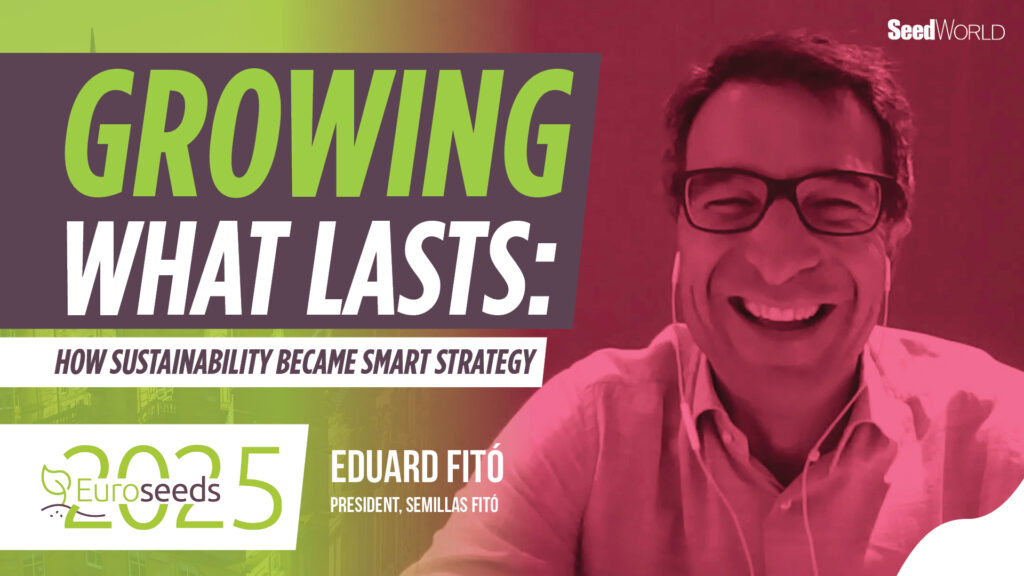
With more than three decades in the vegetable seed sector, Eduard shares how the meaning of sustainability has evolved — from environmental ‘nice-to-have’ to a key driver of resilience, purpose, and long-term value for farmers and society. Join us for a candid conversation about what sustainability really looks like in practice, how breeders are adapting, and what the future of responsible innovation in Europe could hold.
You Deliver the Best New Genetics? Here’s What to Say Instead

Here’s the truth: you’re not the hero. Your customer is