

Chile avanza en claridad regulatoria para nuevas tecnologías de fitomejoramiento en la agricultura

Chile, a través del SAG del Ministerio de Agricultura, presentó una resolución para formalizar el procedimiento técnico de evaluación de materiales vegetales desarrollados con Nuevas Técnicas de Mejoramiento (NBT). El marco aporta certeza jurídica, transparencia y mayor supervisión, diferenciando productos NBT de los OGM transgénicos ya regulados. La revisión obligatoria previa al campo, caso por caso, refuerza la protección sanitaria y ambiental, la confianza pública y la innovación agrícol
Inside a Modern Seed Cleaning Plant: How Colour Sorters Really Add Value
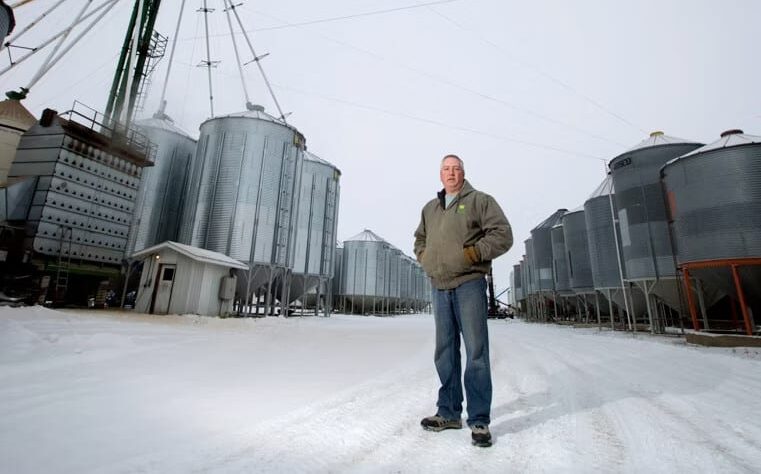
Greenleaf Seeds in Saskatchewan uses colour sorting technology to improve seed quality, reduce risk, and unlock new opportunities across oats, wheat, lentils, and more
Redefining Seed Enhancement: 75 Seconds with Summit Seed Coatings

Spend 75 seconds with Summit Seed Coatings’ Joseph Young. He talks about how the company has taken traditional roots into an evolving, but continual customer-focused way of doing business.
Arctic Strategy, Trade Wars and the Future of Prairie Farming — According to Peter Mansbridge

Peter Mansbridge connects climate change, northern security and China-Canada trade relations to our industry’s long-term success
Transgenic Corn and Soy Drive Cuba’s Push to Boost Grain Production

Cuba remains heavily dependent on imported corn and soy, limiting feed production and agricultural output. Despite proven high yields from domestically developed transgenic corn and soybean varieties, expansion is slowed by financing, fuel shortages, and resource constraints. Researchers and producers agree these crops are key to reducing imports, strengthening food sovereignty, and improving animal feed supply and farm profitability.
The New Trade Map: Why Canadian Seed Companies Should Rethink “the Global Marketplace”

One analyst’s advice: diversify beyond China, treat food like energy, and build demand at home
Euroseeds Publishes Updated Position on Research
Euroseeds’ updated position paper calls on the EU to secure dedicated plant breeding research funding under FP10 and the European Competitiveness Fund to strengthen sustainable agriculture, the bioeconomy and EU competitiveness. The seed sector reinvests up to 20% of turnover in R&D, yet public support is declining via FP, ERC and MSCA. Euroseeds urges robust budgets and partnerships to deliver climate-resilient yields, food security and strategic sovereignty.
Ahead of Leaders’ Retreat, Agri-Food Chain Calls for Stronger EU Support
Ahead of the EU Leaders’ Retreat on 12 February, 40 agri-food organisations urge EU institutions to put agriculture and food at the heart of Europe’s competitiveness strategy. The €1 trillion EU agri-food value chain underpins food security, resilience and jobs, but faces rising regulatory complexity, administrative burdens and global uncertainty. Signatories call for simplification, investment and innovation to boost productivity, circularity and strategic independence. They back Commission efforts, urging further legislative modernisation.
Maíz y soja transgénicos impulsan el impulso de Cuba para aumentar la producción de granos
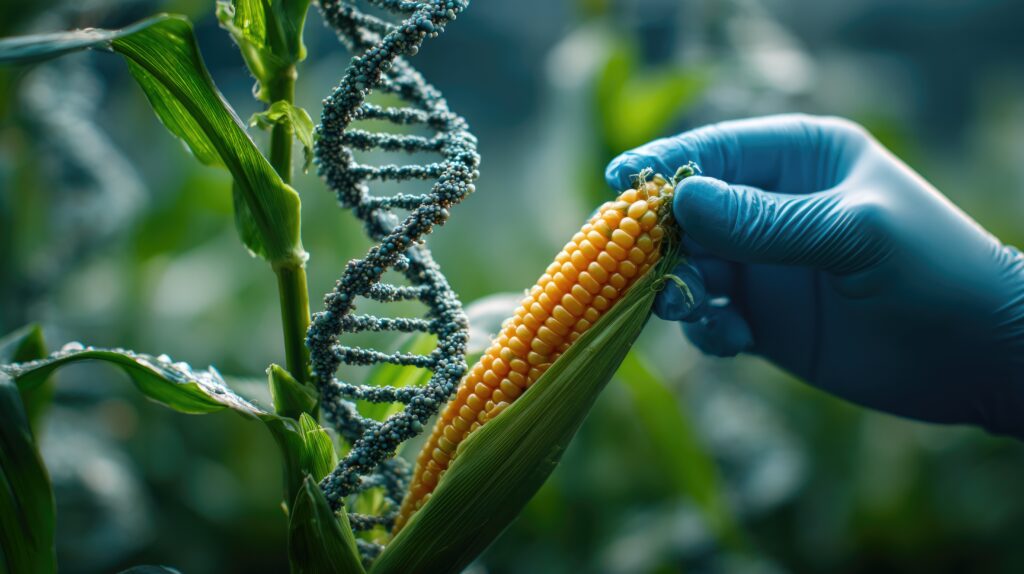
Cuba mantiene una fuerte dependencia de las importaciones de maíz y soya, lo que limita la producción de piensos y el rendimiento agrícola. Aunque variedades transgénicas desarrolladas localmente muestran altos rendimientos, su expansión enfrenta obstáculos financieros y logísticos. Autoridades y productores coinciden en que estos cultivos son esenciales para reducir importaciones, fortalecer la soberanía alimentaria y asegurar el abastecimiento de alimento animal.
How Smart Decisions at the Start Set Your Crop up for Success
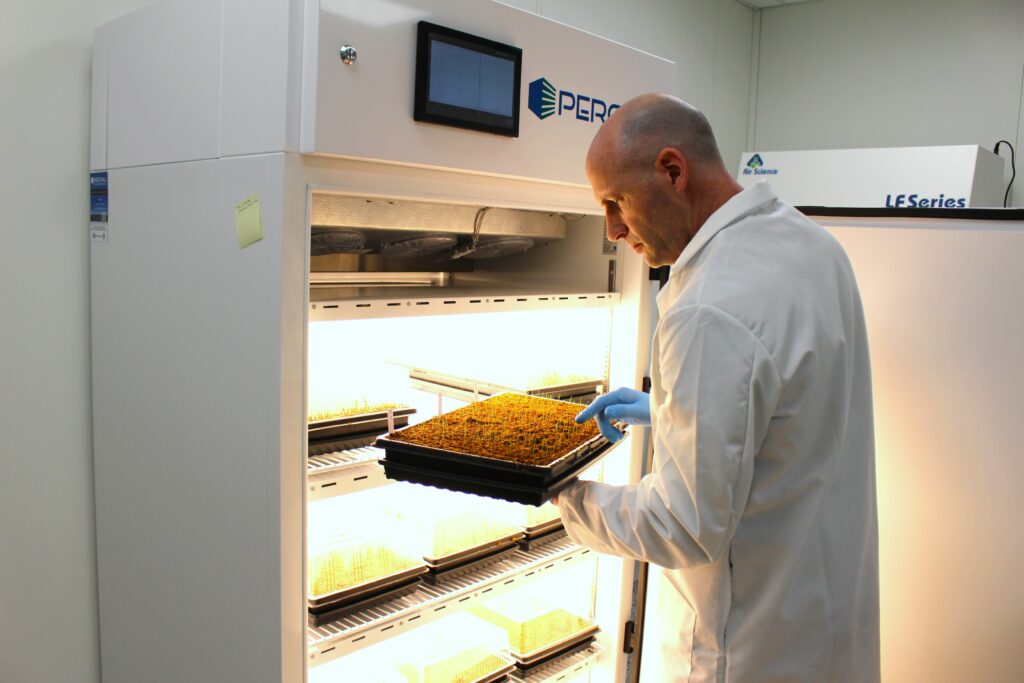
Crop failure can come from drought, hail, or volatile markets—but smart agronomy decisions reduce risk. Choosing the right seed genetics for local conditions is the foundation, and advanced seed coatings support germination, protect against fungus, and can add drought resilience. With biologicals, promises aren’t enough: proven field performance matters. That’s why we validate products for coating compatibility, quality, durability, and low dust-off—backed by responsive customer service.
Why Does Advocacy Matter for the EU Seed Sector?

This column explains the long-term nature of EU agricultural policymaking and the essential role of EU associations such as Euroseeds. It highlights stakeholder engagement since the Common Agricultural Policy, the growing power of the European Parliament, and multi-year legislative timelines, using New Genomic Techniques and seed legislation to show why sustained EU advocacy and Brussels-based representation are critical.
Is Seed Testing a Cost or a Competitive Advantage?
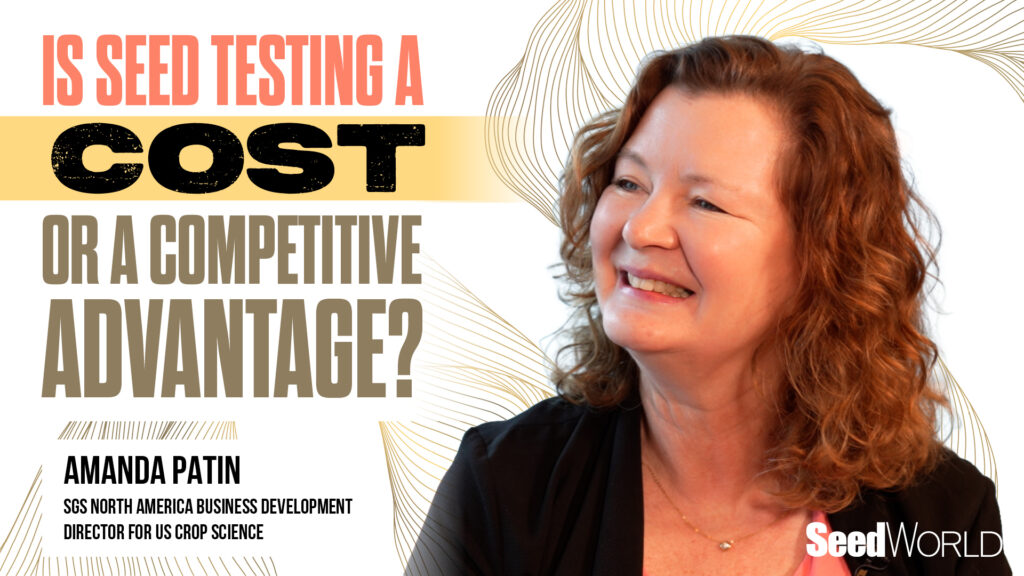
Seed testing can reveal far more than germination. SGS’s Amanda Patin explains how vigor, stress performance and deeper quality data help seed companies differentiate products, protect value and turn testing into a true competitive advantage.
Enlist Essentials: What Growers Need to Get Weed Control Right

How does the Enlist weed control system works in real-world farming? Corteva Agriscience’s Jillian Schmiedt explains how traits, herbicides and stewardship decisions come together to protect performance, manage resistance and help growers and seed advisors make smarter in-season choices.
EPA Sets New Dicamba Restrictions for Soybean and Cotton

EPA announces new dicamba restrictions for cotton and soybean growers, including tighter application limits, drift safeguards and a two-season regulatory timeline shaping weed mana
Agriculture Day Highlights the Need for Clarity on the Future of AAFC Research

As AAFC navigates research and staffing transitions, clear communication can help the seed sector plan for the next phase of innovation
Government Funding Supports Gene-edited Crops At John Innes Centre

The John Innes Centre has secured UK government funding for four DEFRA-backed projects advancing precision breeding, including gene-edited disease-resistant crops, vitamin D–enriched tomatoes, and dandelions for sustainable rubber. Enabled by the UK Precision Breeding Act, the initiatives aim to boost farm productivity, cut emissions, strengthen crop resilience, and accelerate innovation through research–industry collaboration.
Combating Seed Piracy to Protect Mexico’s Agricultural Productivity

AMSAC has launched its “No Harvest Surprises” campaign to combat seed piracy, a growing threat to Mexico’s agricultural productivity. Pirated seed sold via unauthorized vendors often fails genetic and phytosanitary standards, increasing risks of poor germination, pests, and crop losses. Certified seed supports reliable yields, climate resilience, farmer income, and long-term agricultural innovation.
Deadline Extended to Feb 20: Nominations Open for Europe’s Promising Young Plant Breeders
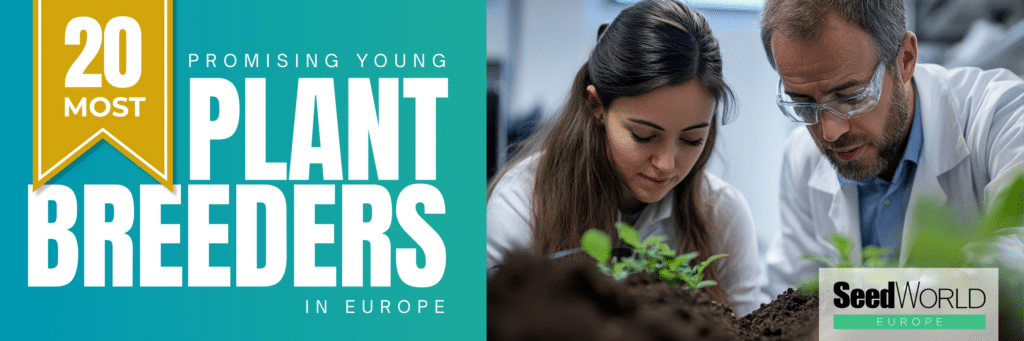
Seed World Europe is now accepting nominations for its April 2026 “20 Most Promising Young Plant Breeders in Europe” feature. Nominate early-career plant breeders making an impact across Europe, from universities, research institutes, seed companies, and sector organisations.
CFIA Cuts Will Not Disrupt Seed Regulatory Modernization
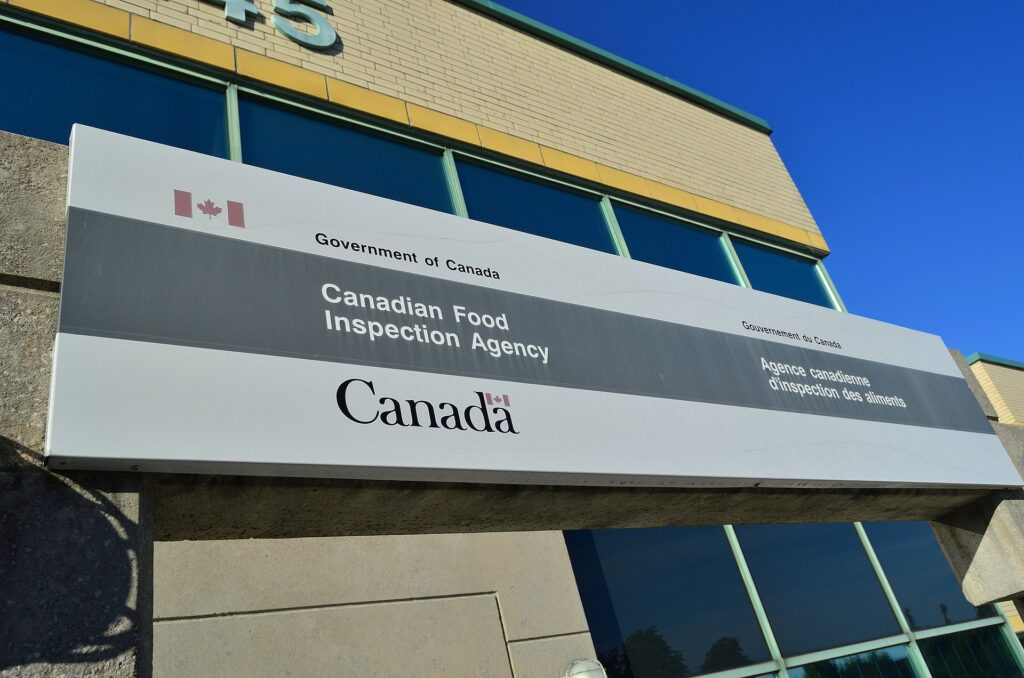
The agency says it remains focused on science-based regulation and plans to publish updated Seeds Regulations in 2026
From Seed to Sky: The Demand for Sustainable Aviation Fuel

Sustainable aviation fuel (SAF) is no longer a fringe idea. Airlines want it. States are building policy around it. Researchers are racing to lower costs. The next question is what […]
Combatiendo la Piratería de Semillas para Proteger la Productividad Agrícola de México

AMSAC lanzó la campaña “Sin Sorpresas en la Cosecha” para combatir la piratería de semillas, una amenaza creciente para la productividad agrícola en México. Las semillas pirata no cumplen estándares genéticos ni fitosanitarios, provocando mala germinación, plagas y pérdidas de cosecha. La semilla certificada garantiza rendimientos confiables, mayor resiliencia climática, mejores ingresos para productores y fomenta la innovación agrícola.
The Agricultural Crop Licensing Platform Extends to Ornamental and Fruit Crops
After three years, the Agricultural Crop Licensing Platform (ACLP) has expanded to include ornamental, fruit, and forest crops, strengthening access to patented traits across Europe. The platform now supports breeders of all crop types with transparent patent disclosure, standardized licensing, fair arbitration, and legal certainty, benefiting especially small and medium-sized breeding companies.
Half the water, competitive yields: INTA advances quinoa irrigation research
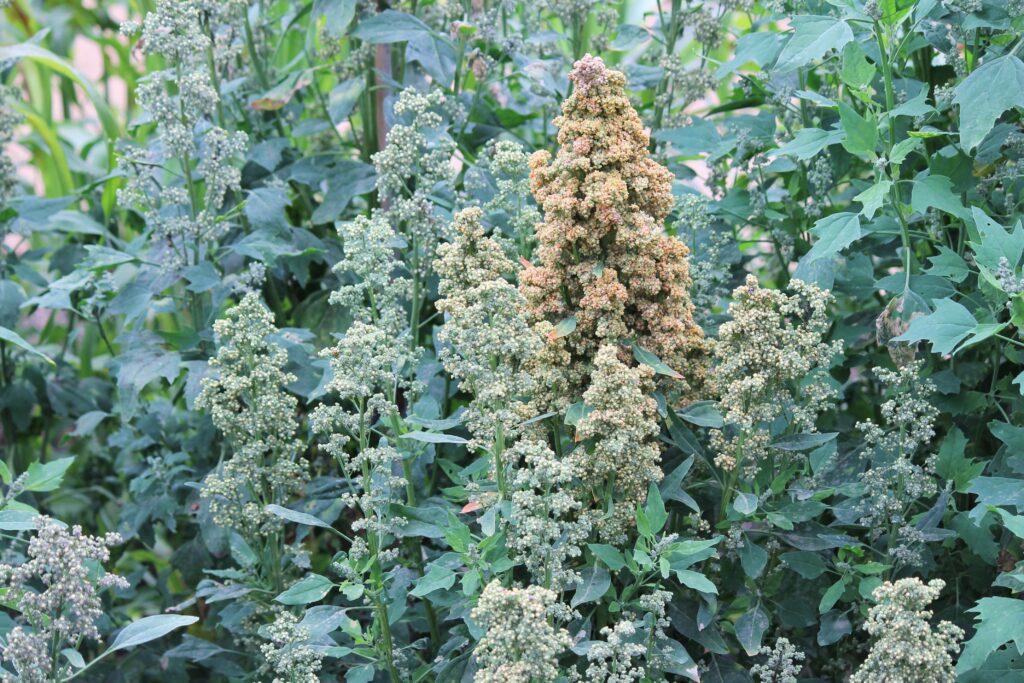
INTA San Juan research shows quinoa can thrive in Argentina’s Cuyo region using just half the irrigation water cited in international benchmarks. With 260–290 mm per cycle, the Morrillos INTA variety achieved about 1.7 t/ha, with only 10–20% yield reduction and good grain quality. Drip irrigation enables precise control, boosting water savings and production predictability.
Grain Growers of Canada Demands Transparency on AAFC Research Cuts and Facility Closures
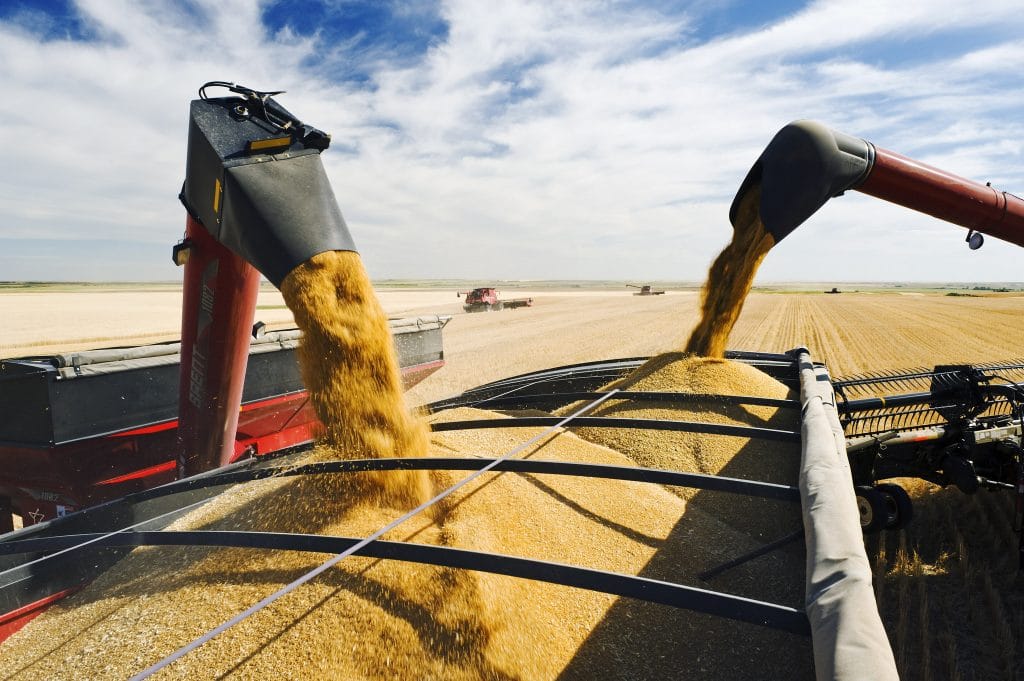
The organization noted the pace and scale of the announced changes have sparked serious concern across the grain sector
Mitad de agua, rendimientos competitivos: INTA avanza en la investigación sobre riego de quinua
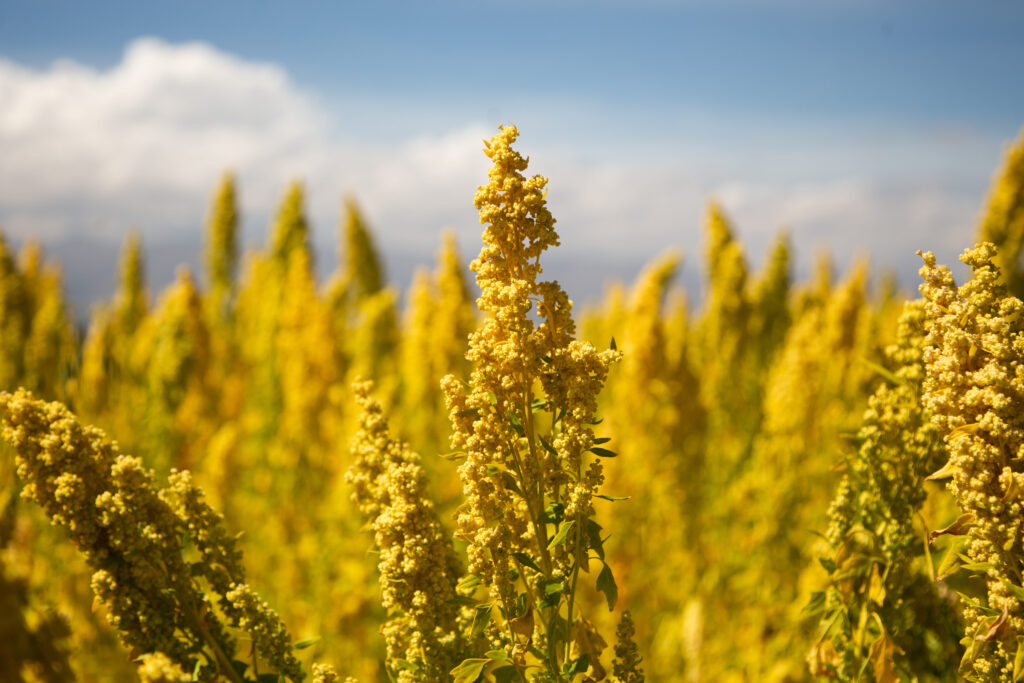
Investigación de INTA San Juan muestra que la quinoa puede rendir competitivamente en Cuyo usando solo la mitad del agua indicada por referencias internacionales. Con 260–290 mm por ciclo, la variedad Morrillos INTA logró cerca de 1,7 t/ha, con una reducción de rendimiento de 10–20% y buena calidad de grano. El riego por goteo permite control preciso y ahorro hídrico.
Europe Can’t Afford to Fall Behind: Jessica Polfjärd on the EU’s NGT Turning Point

Europe’s new agreement on New Genomic Techniques marks a turning point for plant breeding and seed innovation. Led by MEP Jessica Polfjärd, the NGT dossier balanced science, politics, and national interests to reach compromise. The reform aims to modernise EU regulation, support farmers, strengthen food security, and unlock gene-editing tools for climate resilience, sustainability, and competitiveness.
Manitoba Seed Growers Challenge Ottawa on AAFC Cuts After Davos Food Security Message

The MSGA statement, issued today, references remarks made by Prime Minister Mark Carney at the World Economic Forum
Why Hands-On Seed School Training Still Matters in a High-Tech World
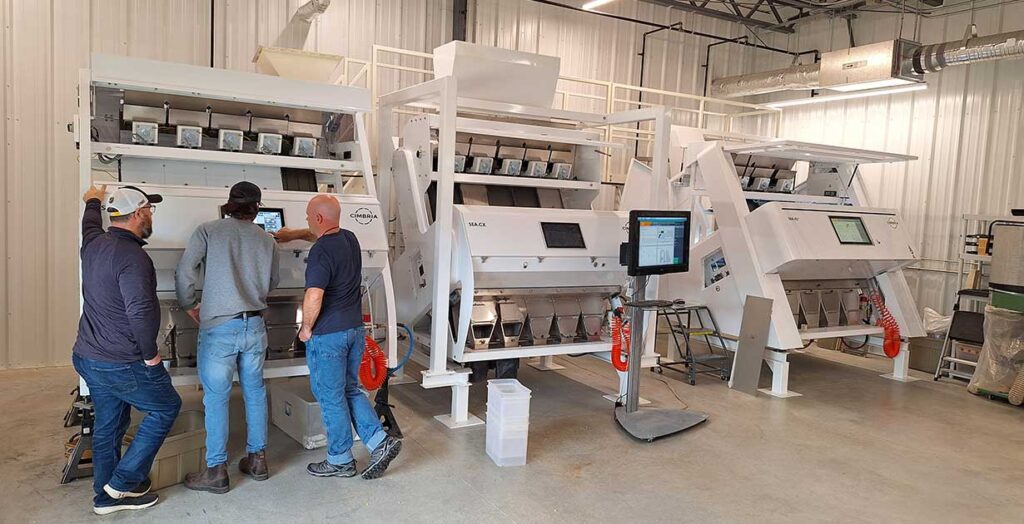
One of the things I’m most passionate about at Nexeed is training, because confidence on the plant floor directly impacts quality, efficiency, and profitability. That’s why we continue to invest […]
Closing the Nutrient Loop: How Wastewater Could Power Future Farming
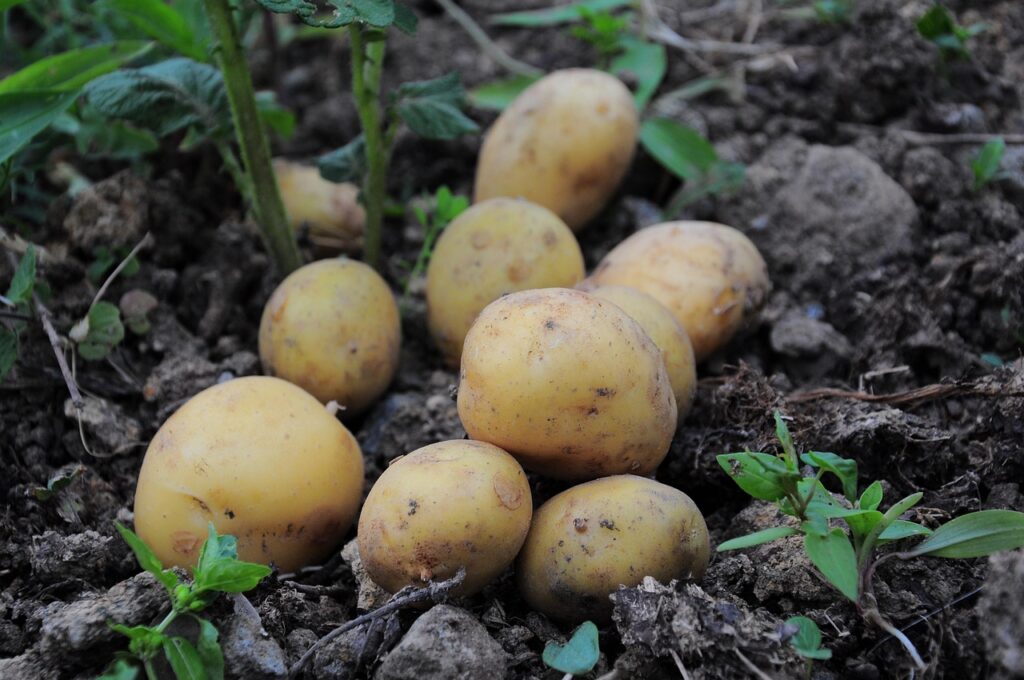
Researchers at Wageningen University & Research are testing circular fertilizers made from wastewater, including treated human urine, as low-emission alternatives to inorganic fertilizer. Early trials show urine nitrogen can be up to 25% more efficiently absorbed by crops. The research aims to cut greenhouse gas emissions, reduce reliance on fossil-based fertilizers, and support sustainable, circular farming systems, pending regulatory changes and public acceptance.
Embrapa identifies wild arachis gene that primes defense in cultivated crops

Research by Embrapa shows genes from wild peanut relatives can boost resistance in cultivated peanuts to drought, nematodes, and fungal diseases. The AdEXLB8 gene activates defense priming, preparing plants to respond faster to stress without reducing yield. This biodiversity-based biotechnology strengthens sustainable breeding and reduces reliance on chemical controls.
Saskatchewan Seed Growers Call for Reversal of AAFC Facility Closures in Indian Head and Scott
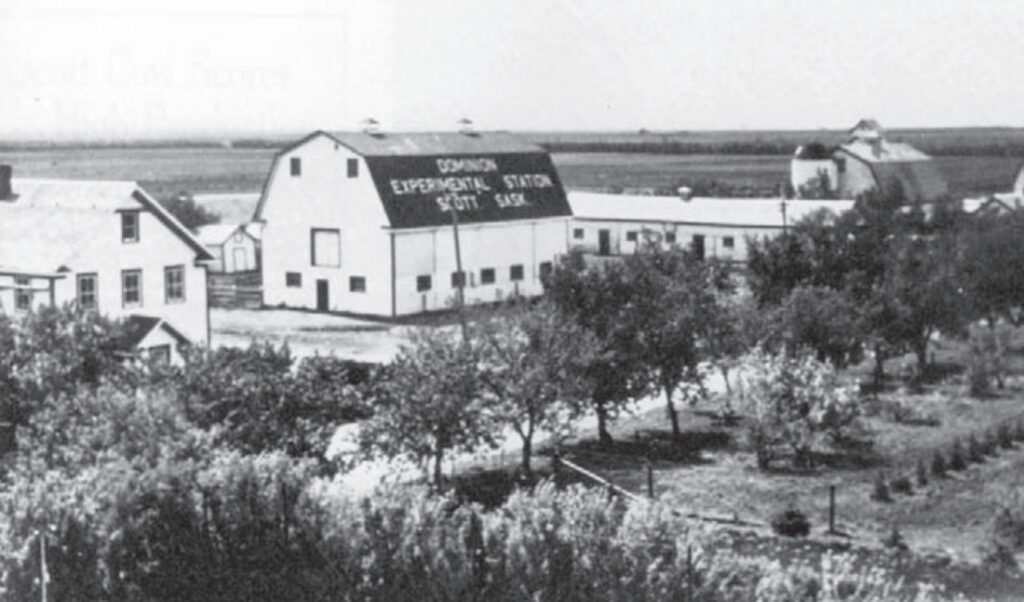
The SSGA is the latest organization to voice strong opposition to Agriculture and Agri-Food Canada cuts
Embrapa identifica gen silvestre de cacahuete que prepara la defensa en cultivos
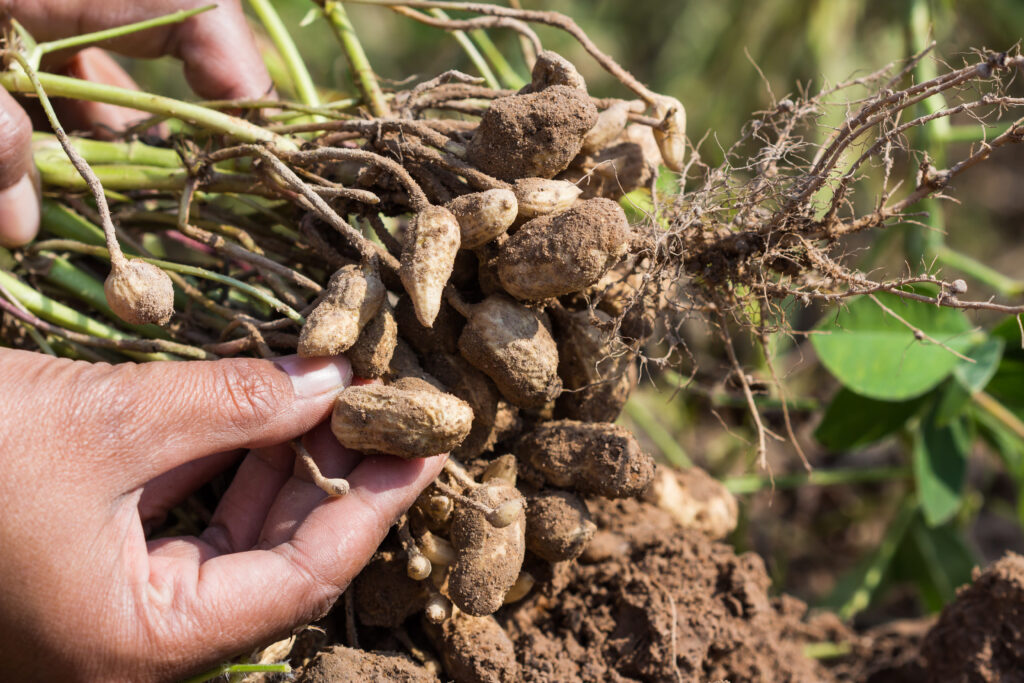
Investigaciones de Embrapa demuestran que genes de maníes silvestres pueden aumentar la resistencia del maní cultivado a sequía, nematodos y hongos. El gen AdEXLB8 activa la “preparación defensiva”, permitiendo respuestas más rápidas al estrés sin afectar rendimiento. Esta biotecnología basada en biodiversidad impulsa el mejoramiento sostenible y reduce el uso de agroquímicos.
Multi-Herbicide-Tolerant GM Soybean Passes EFSA Safety Assessment
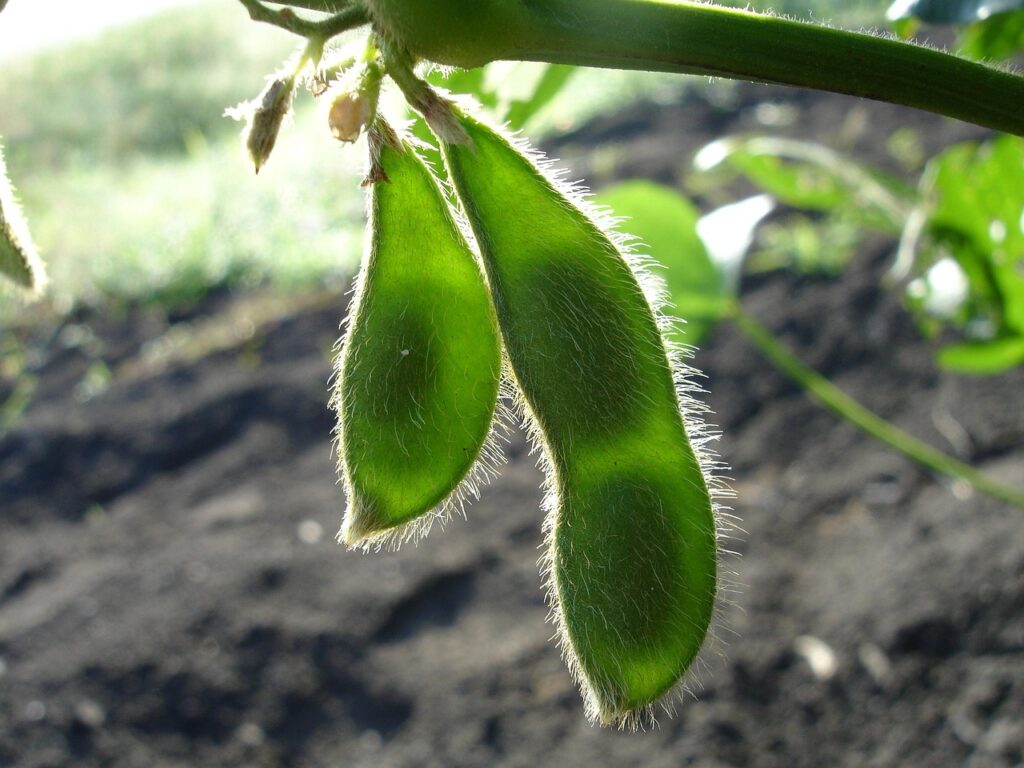
EFSA’s GMO Panel has issued a positive safety opinion on GM soybean MON 94313 for food and feed, finding it as safe as conventional and non-GM varieties for human and animal health and the environment. MON 94313 tolerates dicamba, glufosinate, 2,4-D and mesotrione. EFSA found no toxicity or allergenicity concerns, and no need for post-market monitoring.
Watermelon in the Lab and the Field: Breeding the Perfect Bite
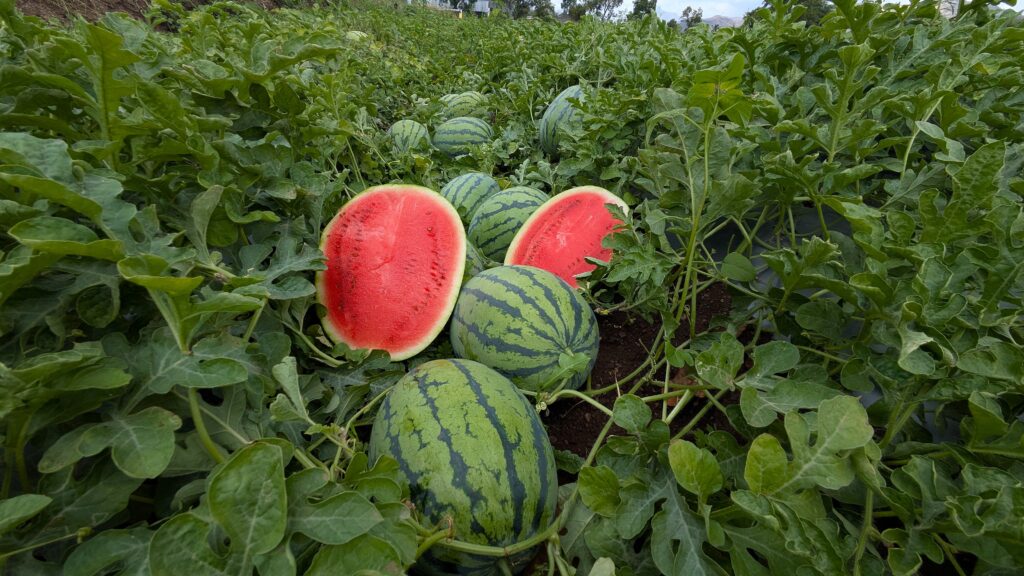
Modern watermelon breeding has evolved from boosting yield and sweetness to optimizing the entire value chain. Driven by seedless demand, fresh-cut growth, and quality-focused European markets, breeders now balance flavor, texture, shelf life, transport resilience, and convenience. In this Seed World Europe feature, leading breeders explain how genetics, technology, and long-term investment are reshaping watermelon to meet grower, retailer, and consumer expectations.
Seed Health and Regulatory Risk: Protecting R&D Timelines in a Complex Global Market
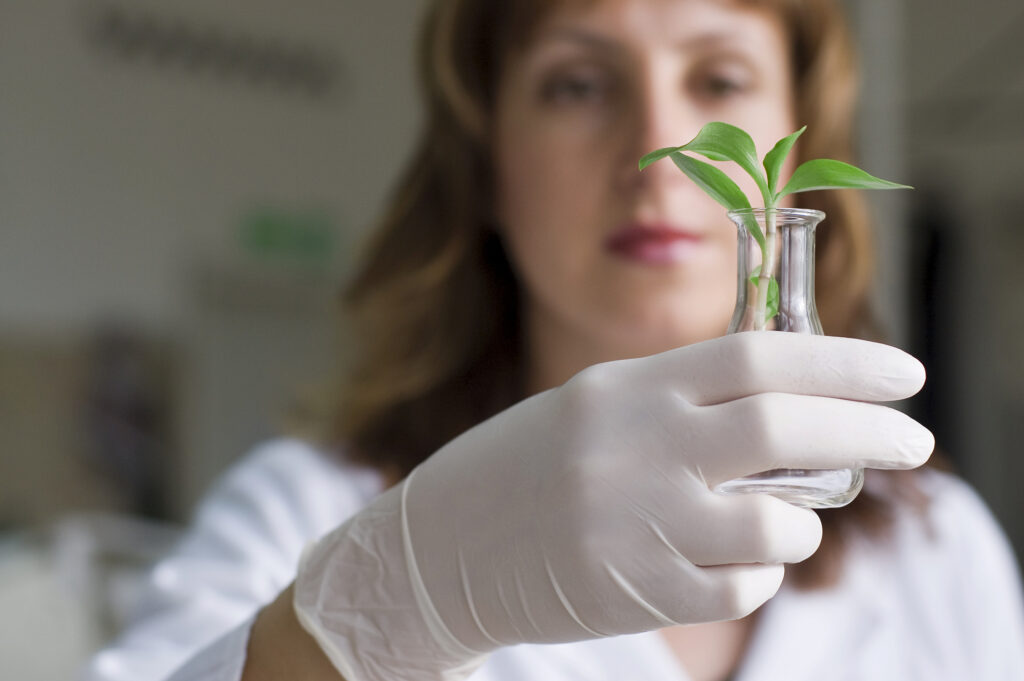
Seed innovation stalls less from science than from phytosanitary and regulatory uncertainty. R&D and regulatory leaders must anticipate policy shifts, avoid testing duplication, protect planting windows, and prevent trial or shipment delays. Integrating seed health expertise early improves predictability and speeds commercialization. Systems like the National Seed Health System and ASTA Phytosanitary Committee support industry by aligning science with regulation, flagging emerging risks, and enabling proactive, confident market access decisions.
Could a New Pipeline Help Scientists Spot Plant Pathogens Faster?
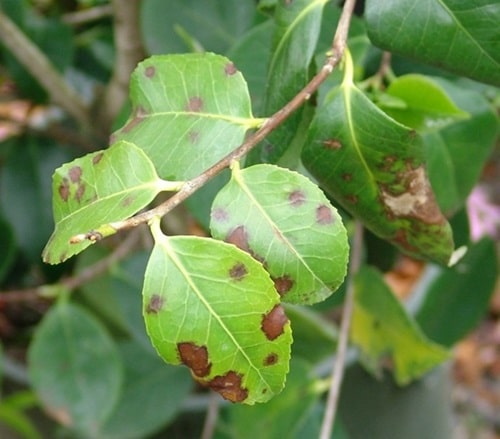
Researchers in Oregon say yes. They have built an open-source pipeline that identifies pathogens in minutes, helping agriculture respond faster to emerging threats. Scientists with the U.S. Department of Agriculture […]