ICA and Acosemillas are calling for authorized seed, soil conservation and technical crop planning as the probability of El Niño rises above 90%.
With recent institutional reports placing the probability of El Niño developing in Colombia during the second half of the year at more than 90%, the Colombian Agricultural Institute (ICA) and Acosemillas are urging farmers to take preventive action.
The latest estimate represents a considerable increase from the 62% probability forecast only weeks earlier by the United States National Oceanic and Atmospheric Administration.
Lower rainfall and higher temperatures could directly affect the production of important crops, including rice, corn, soybeans, potatoes, fruit, vegetables and pastures.
ICA and Acosemillas say careful selection of planting material should be one of the first steps farmers take to reduce production risks, according to a press release.
Farmers Advised to Protect Soil Moisture
ICA is recommending that growers adopt agroecological practices designed to help crops withstand water scarcity and elevated temperatures.
These measures include implementing polycultures to reduce pest pressure and support biological control, as well as using planting densities that help limit water evaporation.
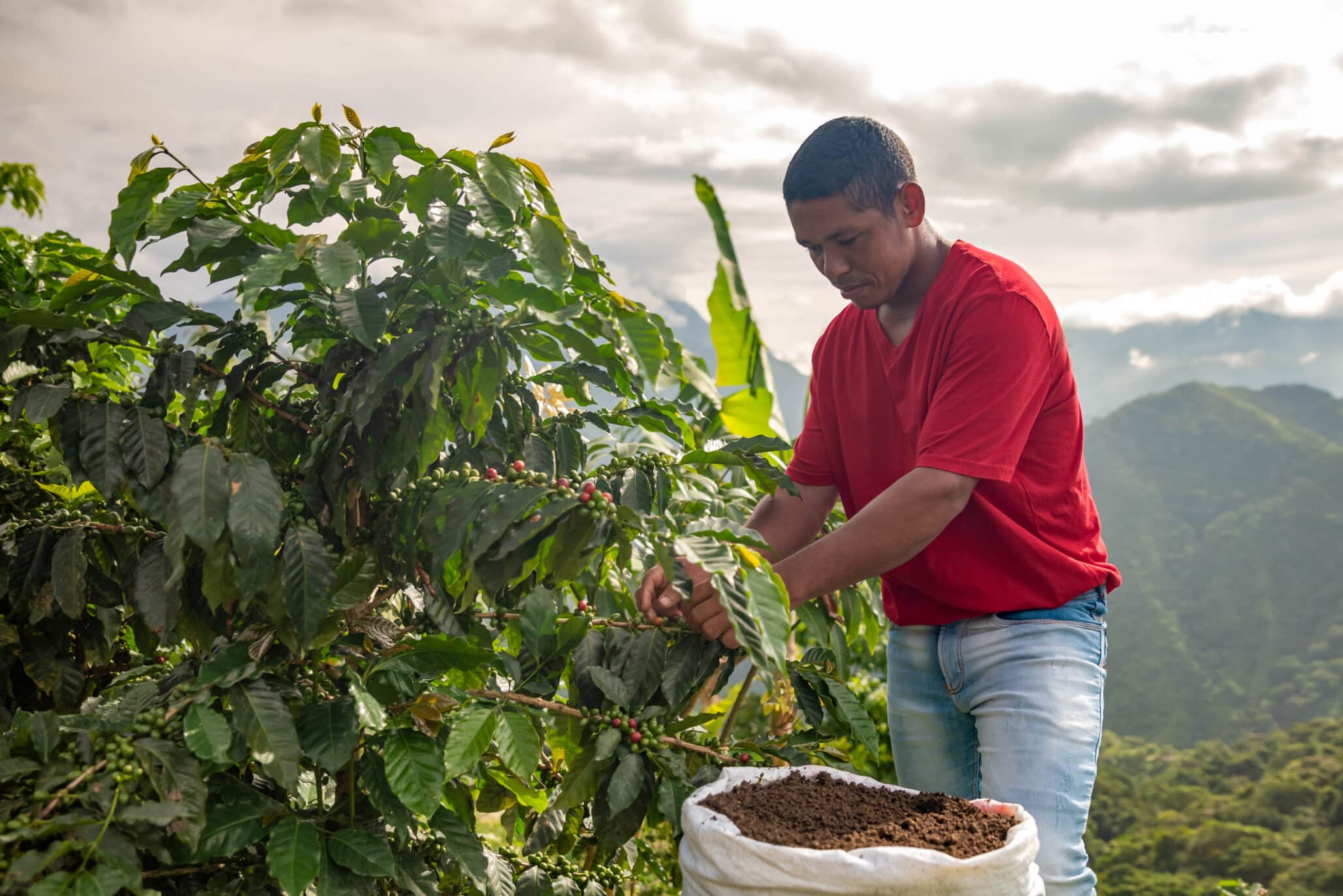
Farmers are also advised to maintain live or dead vegetation cover on the soil. This can slow evaporation, retain moisture and reduce plant stress.
Adequate crop nutrition will also be important, according to ICA, including the use of stimulants that can help plants tolerate periods of limited water availability.
Authorized Seed Seen as First Line of Defence
Acosemillas General Manager Leonardo Ariza Ramírez said farmers should avoid unregulated planting materials as climate conditions become more challenging.
“Climate severity leaves no room for improvisation. We invite producers to use only seeds authorized by the ICA. These materials have rigorous research processes, high purity and the necessary quality to respond more vigorously to low humidity conditions. Opting for authorized seeds protects the country’s investment and food security,” said Leonardo Ariza Ramírez, general manager of Acosemillas.
Authorized seed has undergone research, registration and quality-control processes intended to provide farmers with greater confidence in germination, purity and crop performance.
Registered Materials Can Reduce Establishment Risks
ICA General Manager Paula Andrea Cepeda said officially registered commercial materials can help reduce risks during the critical crop-establishment period.
For her part, the general manager of the ICA, Paula Andrea Cepeda, recalled that “commercial materials with official registration and institutional quality control guarantee high germination rates, and reduce the affectation and risk due to the scarcity of water in the establishment of crops.”
The organizations say reliable germination and crop establishment will become increasingly important if rainfall declines and soil moisture becomes more difficult to maintain.
Regional Monitoring Encouraged
ICA is also recommending that grower committees and agronomists strengthen their monitoring of regional agroclimatic information.
Local agroclimatic tables can help producers adjust planting dates, crop management and water-conservation strategies according to changing conditions.
Soil conservation practices, particularly the use of vegetation cover, should be prioritized to maintain moisture within the soil and reduce accelerated evaporation.
Seed Sector Supports Climate Preparedness
Acosemillas reiterated its commitment to working with Colombia’s phytosanitary and regulatory authorities to provide farmers with technical information during the climate transition.
The organizations say coordinated support will be needed to help crop producers maintain sustainability, productivity and economic efficiency under El Niño conditions.
Prevention Protects Crop Production
ICA and Acosemillas say authorized seed and technical soil management should be viewed as both an immediate response to El Niño and a longer-term strategy for strengthening agricultural resilience.
The organizations maintain that preventive planning can help protect harvests, rural economies and national food security.
Their joint message to growers is that planting with legal seed and technical support can reduce production risks and protect the livelihoods of millions of Colombian families who depend on agriculture.