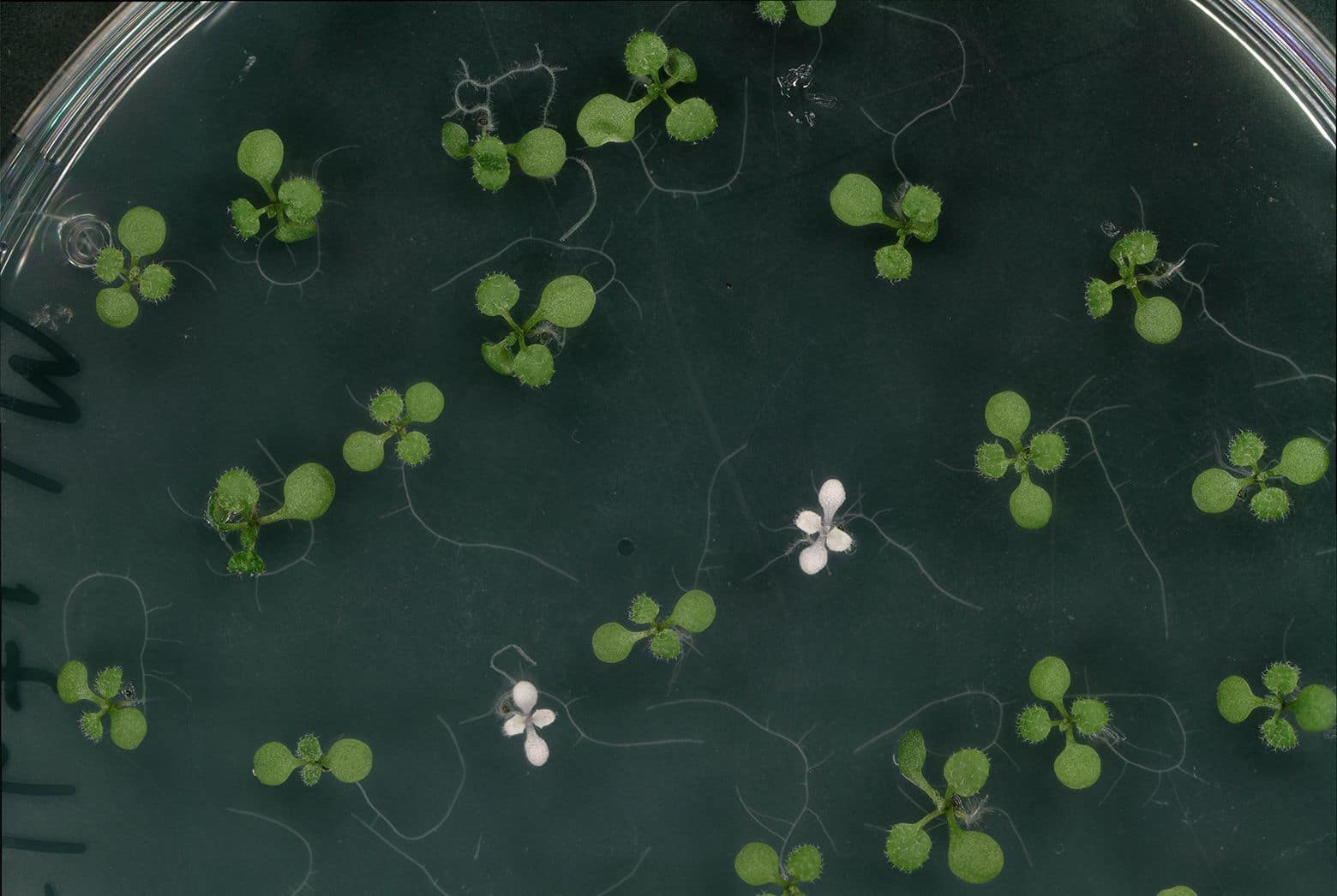
The agreement gives Limagrain access to new CRISPR tools for its field and vegetable crop breeding programs.
Limagrain has entered a global licensing agreement with Beijing Qi Biodesign Biotechnology Co. Ltd. that will give the seed company access to a portfolio of genome-editing technologies for field and vegetable crops.
The agreement includes immediate access to a CRISPR nuclease developed by Qi Biodesign. It also establishes a framework through which Limagrain could use additional technologies emerging from the biotechnology company’s research pipeline.
Limagrain said the tools will expand the genome-editing options available to its crop research programs. The company plans to combine the technologies with its existing germplasm and breeding platforms. This will address crop traits that may require different editing approaches.
Expanding the Genome-Editing Toolbox
CRISPR technologies allow plant breeders to make targeted changes within a plant’s genome. While researchers have widely adopted first-generation CRISPR systems, individual editing tools can differ in their efficiency, precision and suitability for particular crops or genetic targets.
Access to a broader collection of editing systems could allow Limagrain researchers to select technologies based on the crop, trait and breeding challenge involved. The company said the agreement could support work to develop varieties with improved disease resistance, environmental resilience and resource-use efficiency.
“The future of plant breeding will be driven by scientific excellence, technological diversity and strategic partnerships. This agreement with Qi Biodesign reflects Limagrain’s commitment to remaining at the forefront of innovation in plant breeding,” Limagrain CEO and Scientific Committee Chairman Sébastien Chauffaut says. “By broadening our access to complementary technologies, we’re strengthening our capacity to develop the next generation of crop varieties and help farmers meet some of the world’s most pressing agricultural challenges”.
Europe’s NGT Debate Adds Context
The agreement comes as European Union policymakers work toward an updated regulatory framework for New Genomic Techniques.
The proposed rules distinguish between plants containing changes that could also occur through conventional breeding and plants developed using more complex genomic changes. The regulatory outcome could affect how companies research, develop and commercialize genome-edited crops in Europe.
Limagrain said the licensing agreement strengthens its ability to incorporate genome editing into its breeding programs as the European policy environment develops.
Companies Combine Technology and Breeding Expertise
Qi Biodesign develops genome-editing systems for agricultural research and crop breeding. The Beijing-based company works with academic researchers and commercial partners to move its technologies into crop-development programs.
“We are delighted to collaborate with Limagrain, one of the world’s leading agricultural seed companies. This agreement represents an important step in bringing Qi Biodesign’s proprietary genome editing technologies into broader crop research and breeding applications,” Qi Biodesign CEO and Co-Founder Kevin Zhao says. “By combining Qi Biodesign’s innovative technologies with Limagrain’s extensive expertise in crop genetics, breeding and global seed markets, we look forward to accelerating the development of improved crop varieties and delivering meaningful innovations for sustainable agriculture.”
The companies did not disclose financial terms or identify the specific crops and traits that Limagrain will initially target.