February is a strange month in seed.
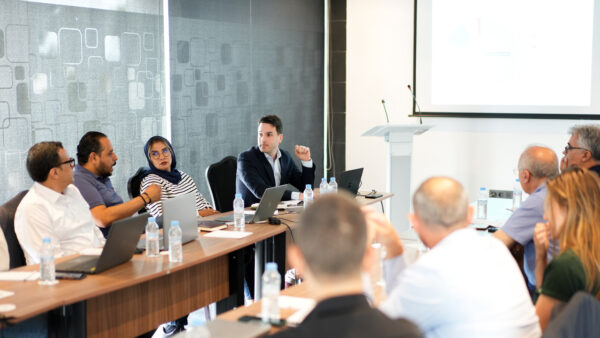
It sits between planning and planting, between what we know and what we’re still betting on. It is also when much of the flower and vegetable seed sector gathers in one place, this year in San Diego for the American Seed Trade Association Flower and Vegetable Seed Conference. Conversations move quickly. Ideas move even faster.
Speed has become a defining expectation in agriculture. Faster breeding tools. Faster data. Faster decisions. Faster returns. In many corners of our industry, momentum itself is treated as proof of progress.
But speed, as the February Seed World U.S. issue makes clear, is not the same thing as stewardship.
The Pressure to Move Faster

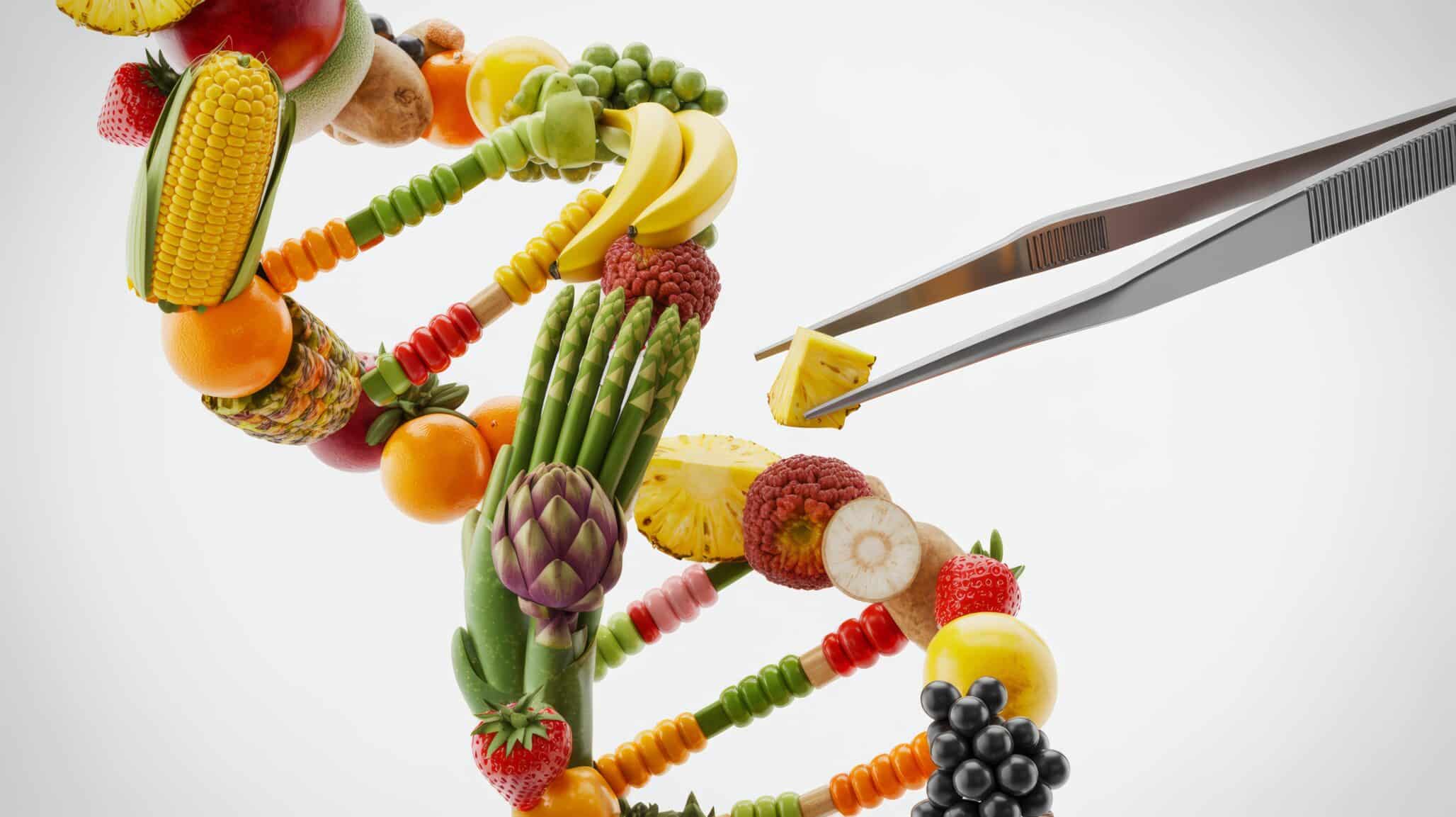
Across the pages of this month’s Seed World U.S. edition, you will see stories of acceleration. AI compressing breeding timelines. Genomics unlocking traits once thought unreachable. Companies pushing to stay competitive in a landscape that rarely pauses. You will also see something quieter and far more difficult to replicate: restraint, patience and judgment.
Seed is a long game played in a short-attention world.
Even as tools improve, biology still sets the tempo. Variety development does not care about quarterly targets. Seed production still demands precision, trust and time. Trials still fail before they succeed. Geography still matters. Weather still rewrites the plan. The Southern Corn Belt does not behave like the Midwest, just as tomatoes on volcanic islands do not behave like their domesticated cousins.
When Momentum Meets Reality
That tension shows up everywhere. In how quickly new genetics move from lab to field. In how often supply chains are expected to flex without losing quality. In how culture either supports decision-making or quietly undermines it. And, too often, in how resilience is celebrated while vulnerability is ignored.
The Human Cost of Always Being Strong
One of the most important stories in this issue has nothing to do with yield or traits. It has everything to do with people.
Rural mental health is not a side conversation anymore. It is a leadership issue. When resilience becomes the only acceptable posture, silence fills the gaps. The seed industry depends on people who live and work in rural communities. Their well-being is not separate from productivity. It is foundational to it.
I highly encourage you to read our article on Rural Mental Health: the Cost of Silence. It may be the most important article you read all month.
What Real Leadership Looks Like
Speed without care extracts a cost.
The best leaders in seed understand this intuitively. They know that moving fast only works when teams are aligned, when production realities are respected early, when experience is not dismissed and when culture is treated as an asset rather than an afterthought. They know that stewardship is not about slowing down progress. It is about making sure progress holds.
Our February Seed World U.S. edition reflects that balance.
It shows how innovation advances when trials are done right, when breeders listen closely, when growers are part of the conversation and when decisions are made with the full system in mind. It shows how patience is not the enemy of momentum, but its stabilizer.
While Seed World U.S. is in San Diego, we brought these conversations with us to ASTA Vegetable and Flower Conference. We are listening. And we welcome interaction, disagreement, debate and dialogue. The seed industry has never benefited from echo chambers.
Progress does not come from speed alone. It comes from knowing when to move quickly and when to hold steady.
In seed, that judgment is everything.
As always, it’s an honor to partner with you,
Aimee