The global seed sector stands at a pivotal moment. Demand for innovation has never been higher, yet the conditions under which seeds must perform are becoming more complex and less predictable. Climate volatility, emerging pest and disease pressures, evolving consumer expectations and disruptions to key inputs are redefining what resilience means in agriculture.
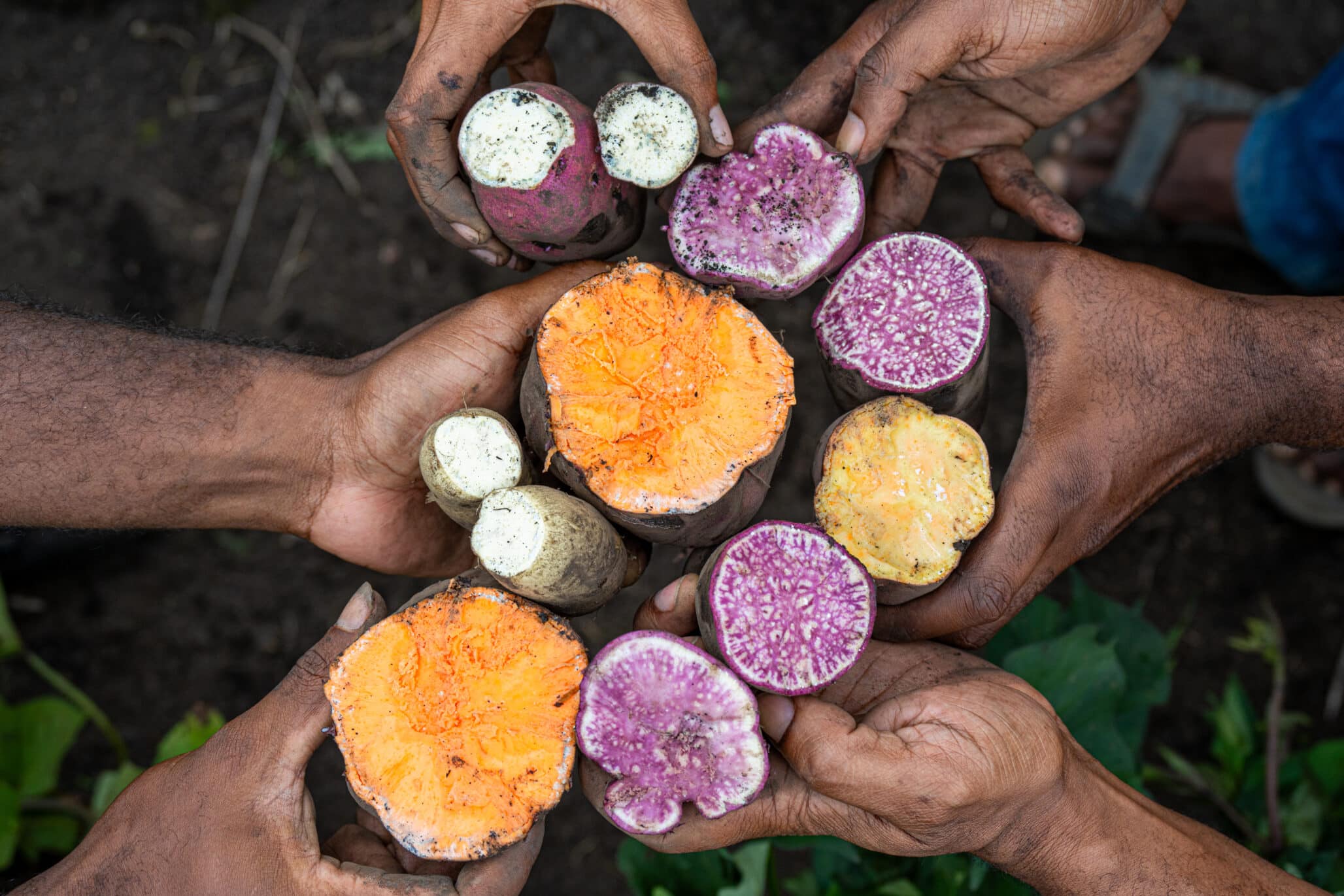
At the heart of overcoming these challenges lies a simple truth. Innovation in plant breeding depends on access to crop diversity. Without it, the pipeline of new varieties slows and the capacity to respond to emerging risks diminishes. Crop diversity — conserved in genebanks around the world — is therefore not a distant public good. It is a strategic asset for the entire seed sector.
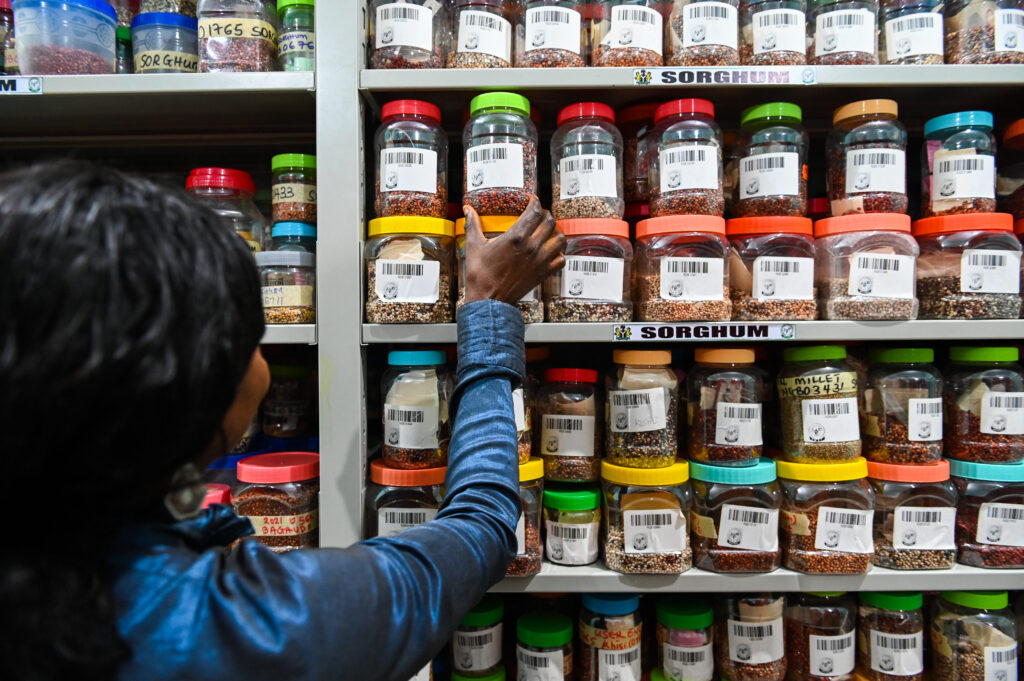
Today, more than 850 genebanks safeguard millions of samples of crop diversity, representing centuries of evolution, farmer selection and scientific effort. They hold traits that are increasingly essential in modern breeding programs — drought tolerance, heat resistance, disease resilience and nutritional quality.
Yet this global genebank system, while robust in many respects, is under increasing pressure. Public sector funding is shrinking, endangering the possibility of support in perpetuity for key genebanks. At the same time, the pace of environmental change is accelerating. The result is a growing mismatch between the importance of crop diversity and the level of investment to secure it.
For the seed sector, this is a real concern — a question of long-term viability and competitiveness.
The ability to develop high-performing varieties depends on a steady flow of genetic resources. Genebanks provide that foundation, often freely and under internationally agreed frameworks. They reduce the cost and risk of pre-breeding, enable access to rare traits and help ensure that innovation is not constrained by narrow genetic bases.
This shared infrastructure also strengthens the resilience of global agriculture. When collections are threatened — by conflict, natural disaster or institutional disruption –— backups such as the Svalbard Global Seed Vault ensure that diversity is not lost. This redundancy is not only a safeguard for countries. It is a safeguard for the global seed industry and the markets it serves.
The Crop Trust was established to secure this system for the long term. We manage an endowment fund to provide stable financing to key genebanks, ensuring that collections remain safe, accessible and available for use. In 2025, we provided US $17 million in financial support for genebanks. The Crop Trust is also the lead developer of the Genesys data sharing platform for genebanks and a driving force for quality standards and partnerships that make crop diversity available and usable for breeders worldwide.
Over more than 20 years, we have learned no single organization can sustain this system on its own. The seed sector has both a stake in its success and a role to play in its future.
As the industry evolves, the importance of shared, pre-competitive resources is more important than ever. A strong global genebank system levels the playing field, supports innovation across companies of all sizes and underpins the sector’s contribution to sustainability and food security.
There is a growing alignment between the Crop Trust mission to secure crop diversity forever and the sector’s sustainability and biodiversity commitments. An endowment for genebanks enables the development of crops that use water more efficiently, require fewer inputs, and deliver better nutrition. It is about building food systems that perform in the face of shocks.
The opportunity is clear.
By championing crop diversity conservation, the seed sector secures the raw materials for its own innovation while contributing to a more resilient and equitable global food system. This can take many forms — financial contributions to the endowment, technical collaboration, and advocacy as part of Crop Trust conversations with governments.
Now is the moment to redouble our efforts. The challenges facing agriculture are intensifying, but so too are the tools and partnerships available to address them. A stronger, better-connected global genebank system is within reach.
But it can only be achieved by working together. Leadership by seed sector champions and contributors is more important than ever. In this moment, forward-thinking companies can secure their business models and advocate for crop diversity as a foundation for the future of food.
Together, we can ensure that the crop diversity conserved today powers the innovations of tomorrow — delivering prosperity for farmers, value for businesses and food security for a growing world.
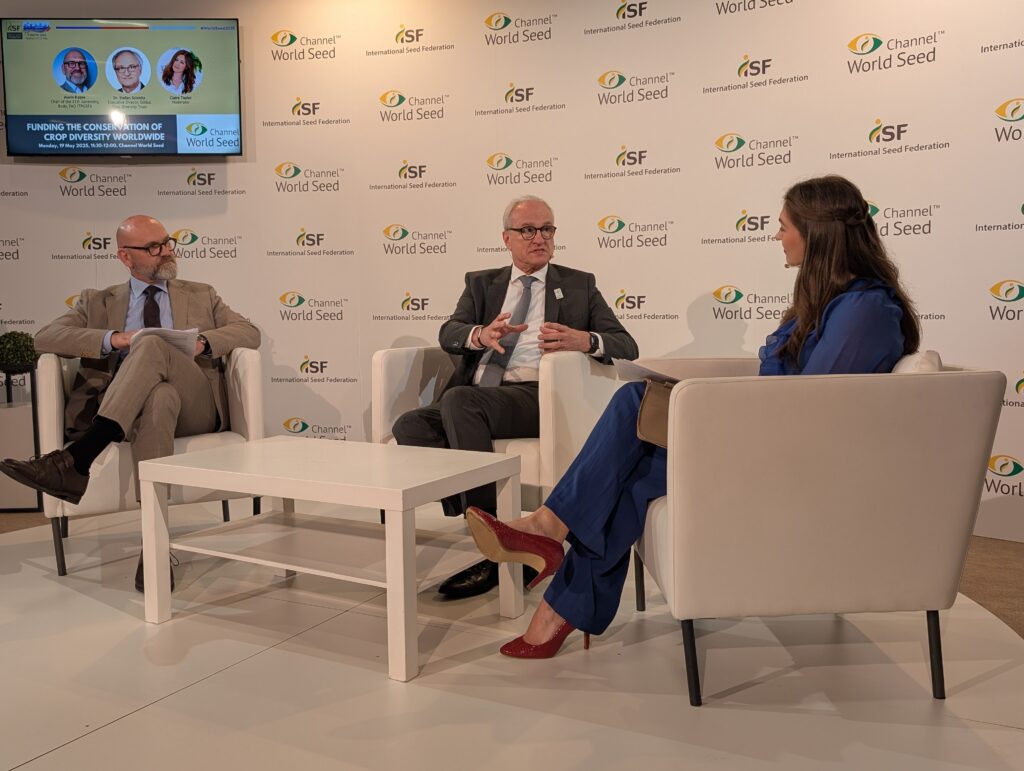
The Crop Trust’s mission is supported by key partners, including the seed sector. This year, Limagrain marked five years of contributions to the endowment fund, with continued contributions by the German Plant Breeders’ Association and the International Seed Federation. The Crop Trust regularly participates in industry events like World Seed Congress and the SeedNL Annual Event.