From vortex spinning challenges to field tours, this year’s meeting explores how breeders are improving cotton to compete globally.
Cotton is under pressure, and the clock is ticking.
As synthetic fibers like polyester continue to improve and dominate global markets, cotton breeders are facing a new kind of challenge: not just growing better crops, but reinventing fiber quality for the next generation of textile technology.
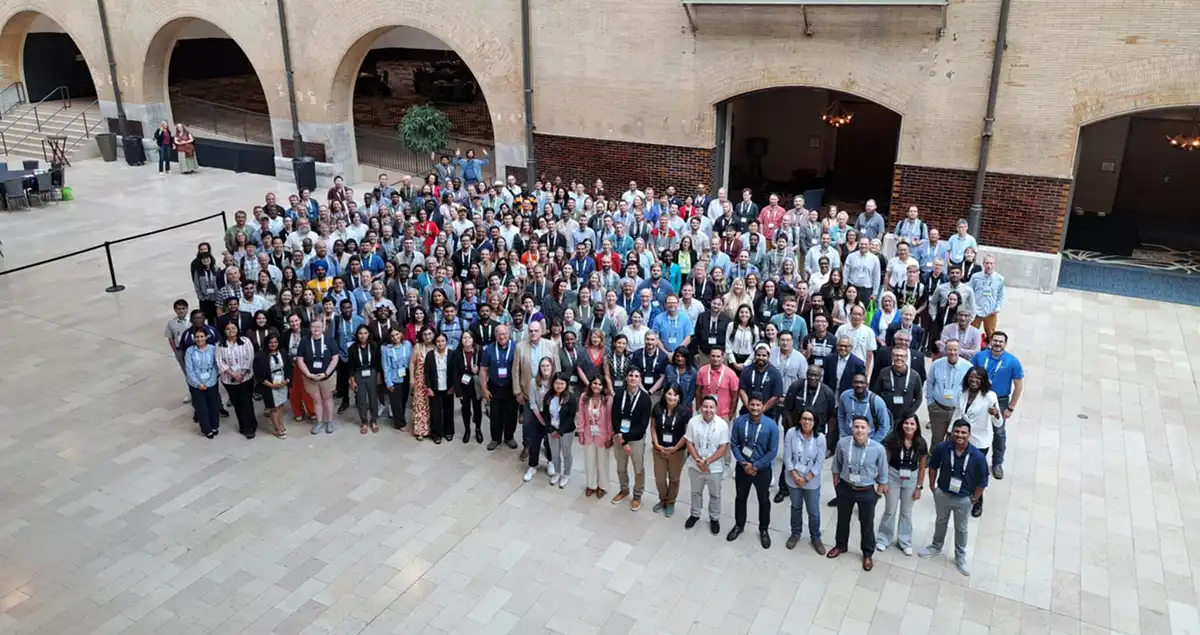
That challenge, and the future of cotton, will be front and center at this year’s National Association for Plant Breeding (NAPB) Annual Meeting in College Station, TX from June 15-18.
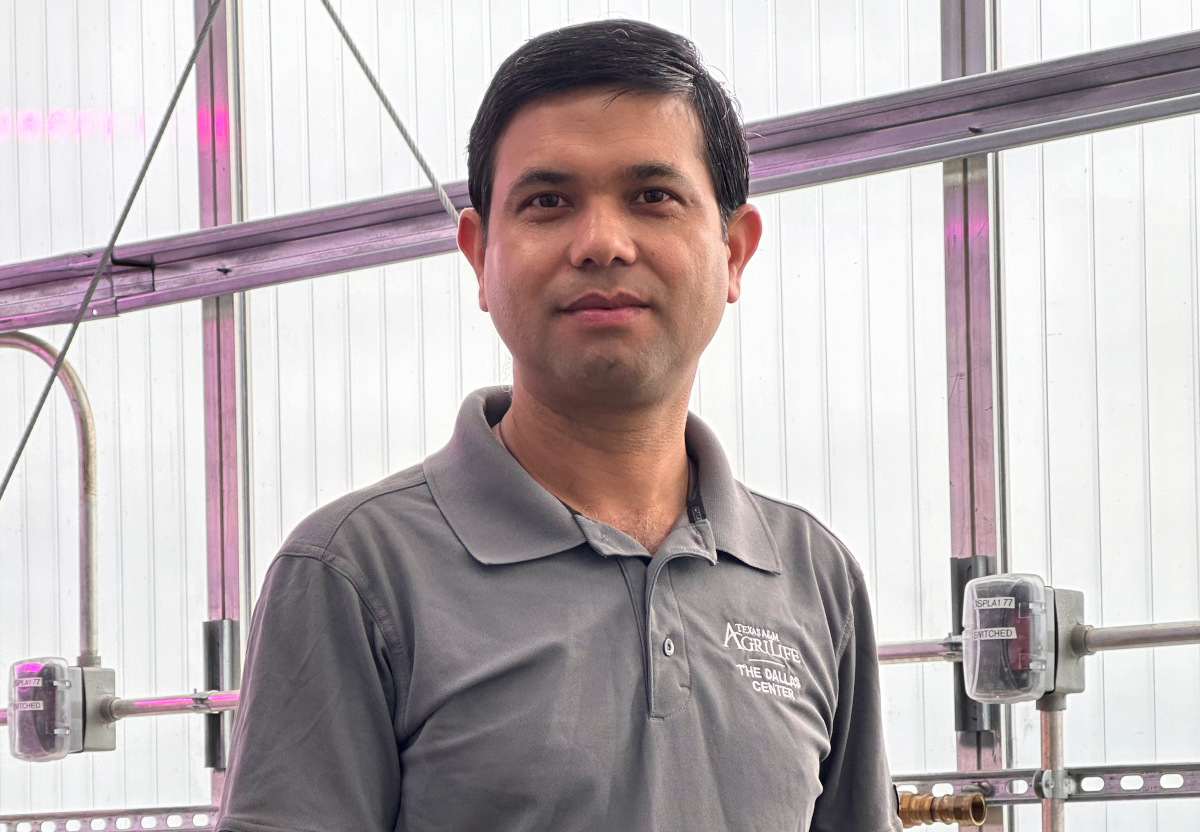
Few people understand what’s at stake better than Dr. Wayne Smith.
A professor and Associate Department Head of Cotton Genetics at Texas A&M University, Smith has spent much of his career working to improve cotton’s competitiveness. Now, he’s also helping shape the conversation as a key member of the NAPB planning committee.
“We have an outstanding program that plant breeders will enjoy, particularly those who are not familiar with Central and South Texas and the diversity of crops we produce here.”
But this isn’t just another conference.
Where Cotton Meets Reality
For Smith, one of the biggest strengths of the NAPB Annual Meeting is its connection to real-world agriculture, something that’s especially important for a crop like cotton, where breeding decisions are increasingly tied to downstream performance.
This year’s program takes attendees out of the lecture hall and into the field.
Participants will have the chance to visit working research sites and production systems across Texas, including a stop at RiceTec in Alvin, a company that helped commercialize hybrid rice in the United States.
“Rice is a regional and relatively small acreage agronomic crop, so not a lot of people will be familiar with it,” Smith explains. “We think that will be an interesting trip for the majority of participants.”
But cotton remains a central thread throughout the experience.
From field stops to germplasm collections, attendees will see firsthand how breeding programs are tackling the next big hurdle: fiber quality.
The Fiber Quality Race
For decades, cotton has competed with synthetic fibers on comfort and sustainability. But today, the competition is shifting — and accelerating.
“We compete primarily with polyester,” Smith says. “Cotton has a lot of desirable characteristics — the feel, the breathability — but we need to improve the quality of our product.”
At the heart of the issue is new spinning technology.
Vortex spinning, which operates up to 20 times faster than traditional ring spinning, is poised to reshape textile manufacturing. But there’s a catch: most current cotton varieties aren’t built for it.
“The type of upland cotton we grow now does not have the quality characteristics — primarily length and fiber strength — that are necessary for vortex spinning,” Smith explains.
That’s where breeders come in.
Smith and his team have spent years focusing on improving those traits, proving that gains in fiber length — and especially strength — are critical if cotton is to remain competitive in a rapidly evolving market.
“We’ve proven the concept that we need to improve length to some degree and fiber strength to a greater degree,” he says. “We have to be comparable to ring spinning, because that’s the global standard.”
A Meeting with Purpose
These kinds of challenges are exactly why meetings like NAPB matter.
Beyond technical sessions, the event serves as a hub for collaboration, idea exchange and, critically, the development of future plant breeders.
“Graduate students will not only have the opportunity to hear outstanding presentations from their future peers, but also to learn some of the soft skills that are important in today’s world,” Smith says.
For many students, it’s also a chance to see crops and research systems they may have never encountered before.
Register at https://napbannualmeeting.org/. The NAPB also encourages people to become members of the association itself by visiting plantbreeding.org.