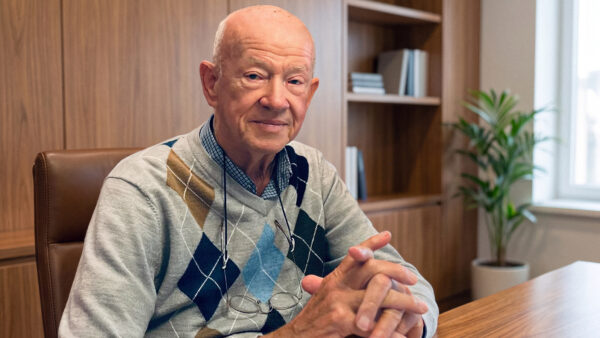
ASTA’s Janae Brady explains how Farm Bill uncertainty, conservation funding and election-year politics are creating uncertainty and shaping the future of the seed industry.
Washington policy debates can feel distant from day-to-day decisions in a seed business. But according to American Seed Trade Association (ASTA) vice president for government affairs Janae Brady, Farm Bill uncertainty, conservation funding and USDA restructuring is already shaping how seed companies plan for the future.
Why Certainty Matters More Than Ever
For Brady, the biggest issue facing agriculture right now is not a single policy fight. It is the compounding lack of certainty.
“The lack of certainty has been compounding in a unique way,” Brady says. “When you look at things like Farm Bill extensions and uncertainty around this, the core five-year authorization package that the agricultural industry has relied on for so long, we’ve had uncertainty before. We’ve had extensions. We’ve had overlaps, a lot of delays getting new farm bills in place.”
How the Farm Bill Is Being Rewritten in Pieces
This time, the uncertainty feels different.
“We’re in a really unique situation right now where the Farm Bill’s actually been split apart and broken up, and certain pieces are getting authorized in certain bills, which leaves others out,” Brady says. “That’s resulting in more of a reliance on ad hoc disaster assistance for producers, and more annual need for supports there.”
For seed companies, that matters because the Farm Bill influences research programs, export initiatives, conservation efforts and the broader planning environment agriculture depends on.
Conservation Seed Depends on Predictable Funding
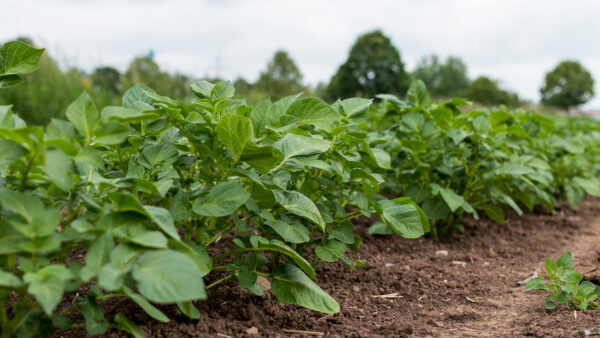
Brady says the seed industry plays an essential role in supporting conservation efforts, from cover crop seed to Conservation Reserve Program mixes and wildfire restoration seed.
“It stays in line with the theme that we’ve been talking about, which is certainty and providing some stability to the industry into the conservation programs, whether Farm Bill or otherwise,” Brady says. “The seed industry plays a really integral part in supporting those efforts through our very robust conservation seed sector, whether we’re talking about cover crop seed or Conservation Reserve Program, seed mixes or wildfire restoration seed through the Bureau of Land Management.”
Because seed production takes time, companies need reliable signals about what programs will be funded and when demand will materialize.
What Midterm Elections Could Mean for Agriculture
The uncertainty is unfolding in a midterm election year, when political priorities can either gain momentum or slow to a crawl.
“We’re running into a midterm election, which can certainly accelerate some issues,” Brady says. “But it can also slow things down because there is a focus on midterms and a focus on campaigning and on moving into the next two year cycle.”
Brady says the next presidential race also appears unusually open, adding another layer of unpredictability to the policy landscape.
Why Seed Remains Part of the Solution
Despite the uncertainty, Brady believes the seed industry has a powerful story to tell.
“The seed is the solution to so many problems,” Brady says. “Whether it’s through our advanced technology, the products that we’re able to provide to producers, I think that is something that we have a lot of opportunity to continue to talk about what we have to offer the agricultural industry.”
Watch the full interview to hear Brady’s perspective on Farm Bill negotiations, conservation funding and why certainty matters so much to seed companies.