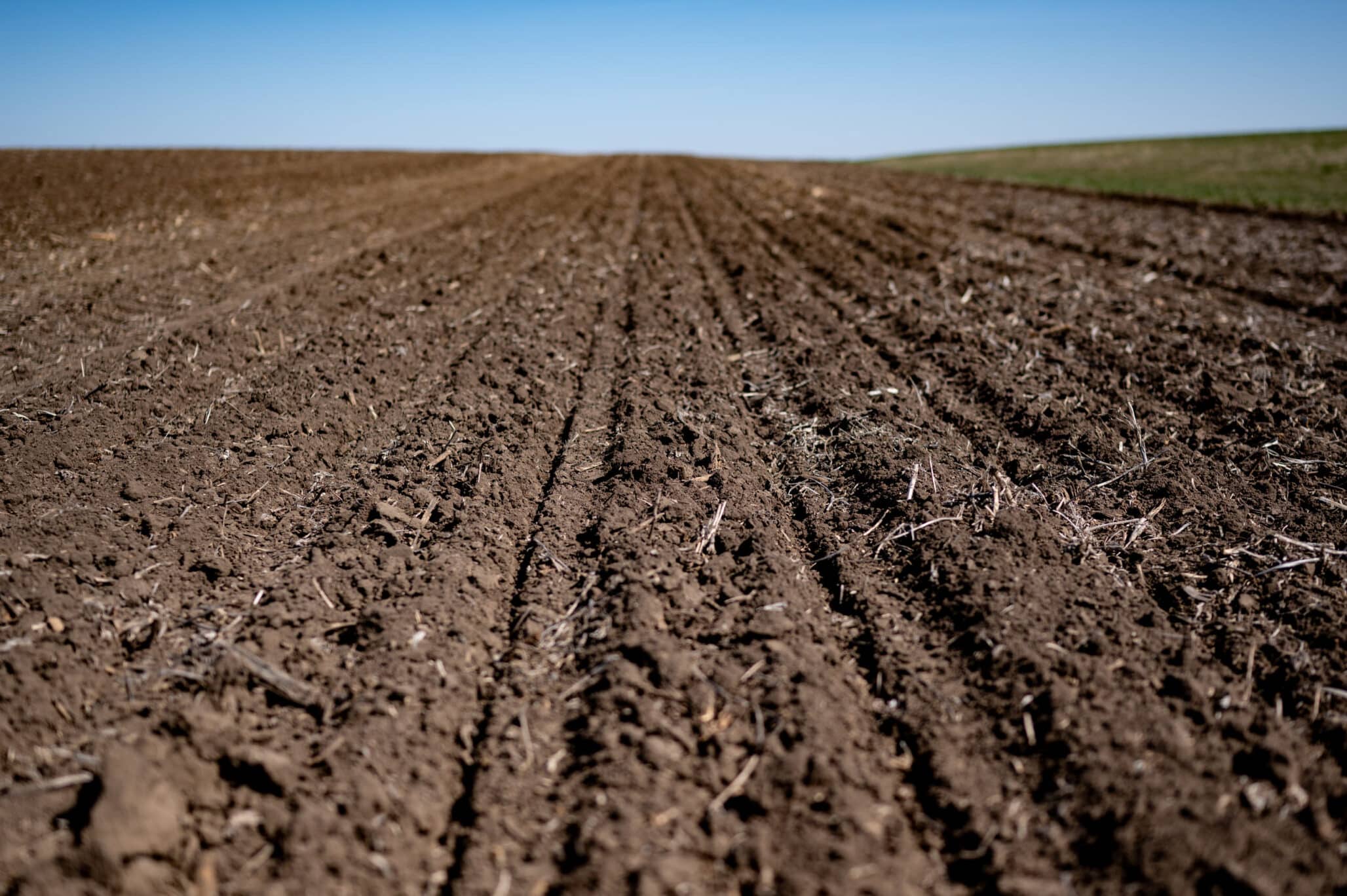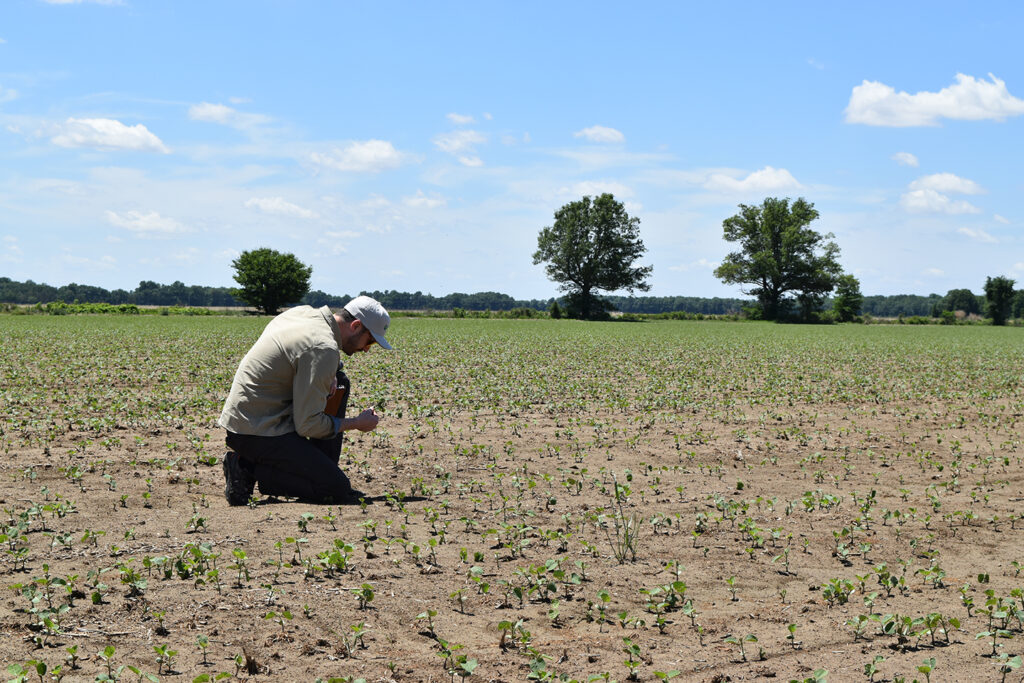

Two fields can look identical and perform differently.
Farmers know this reality well. The same seed, the same inputs, the same timing and yet one field outperforms the other. It’s one of the most persistent and frustrating challenges in modern agriculture.
What’s often missing from the conversation is what happens after inputs are applied. Not everything that drives performance is visible above the soil surface.
Every acre is a living system shaped by millions of biological interactions. Below ground, microbes are constantly competing, communicating, and collaborating. These interactions influence how nutrients are accessed, how plants respond to stress, and how effectively inputs perform.
When those interactions are optimized, crops establish more uniformly, respond more efficiently, and maintain performance in changing conditions. When they are not, even the best inputs can deliver inconsistent results.
Variability doesn’t start with the product. It starts with the system.
Historically, biological products are advanced based on what they can do in isolation. If a microbe performs well in the lab or under controlled conditions, it is expected to perform in the field. But the field is not a controlled environment. It is a complex ecosystem, where success depends on how well something fits and functions within that system.
A product may show strong potential, but once introduced into the soil, it must navigate an established network of organisms. Native populations may limit or suppress its activity. Environmental conditions may reduce its effectiveness. Key functions may not be expressed consistently. The result is variability and frustration that growers experience year after year.
Improving consistency requires a different way of thinking. It starts with recognizing that results and outcomes are not just about the product itself, but about how it behaves within a living system.
When biological interactions are aligned, performance improves in ways that may not always be immediately visible. Stronger early establishment, more efficient use of nutrients and better response to stress all contribute to outcomes that build over time. These changes may not always show up as a single visual difference in the field, but they influence yield, stability and overall return on investment.
In other words, performance is not just what you see; it’s what the system is doing.
As conditions become more variable and the margin for error continues to shrink, optimizing these interactions is becoming critical. The future of biological performance will not be defined by adding more products, but by improving how those products collaborate and function within the system.
Because in the end, the difference between fields that win and those that don’t often comes down to what’s happening below the surface — and how well that living system works together.