Iowa State University’s Seed Science Center provided seed health testing that helped a donated shipment of vegetable seed meet Jamaica’s import requirements following Hurricane Melissa.
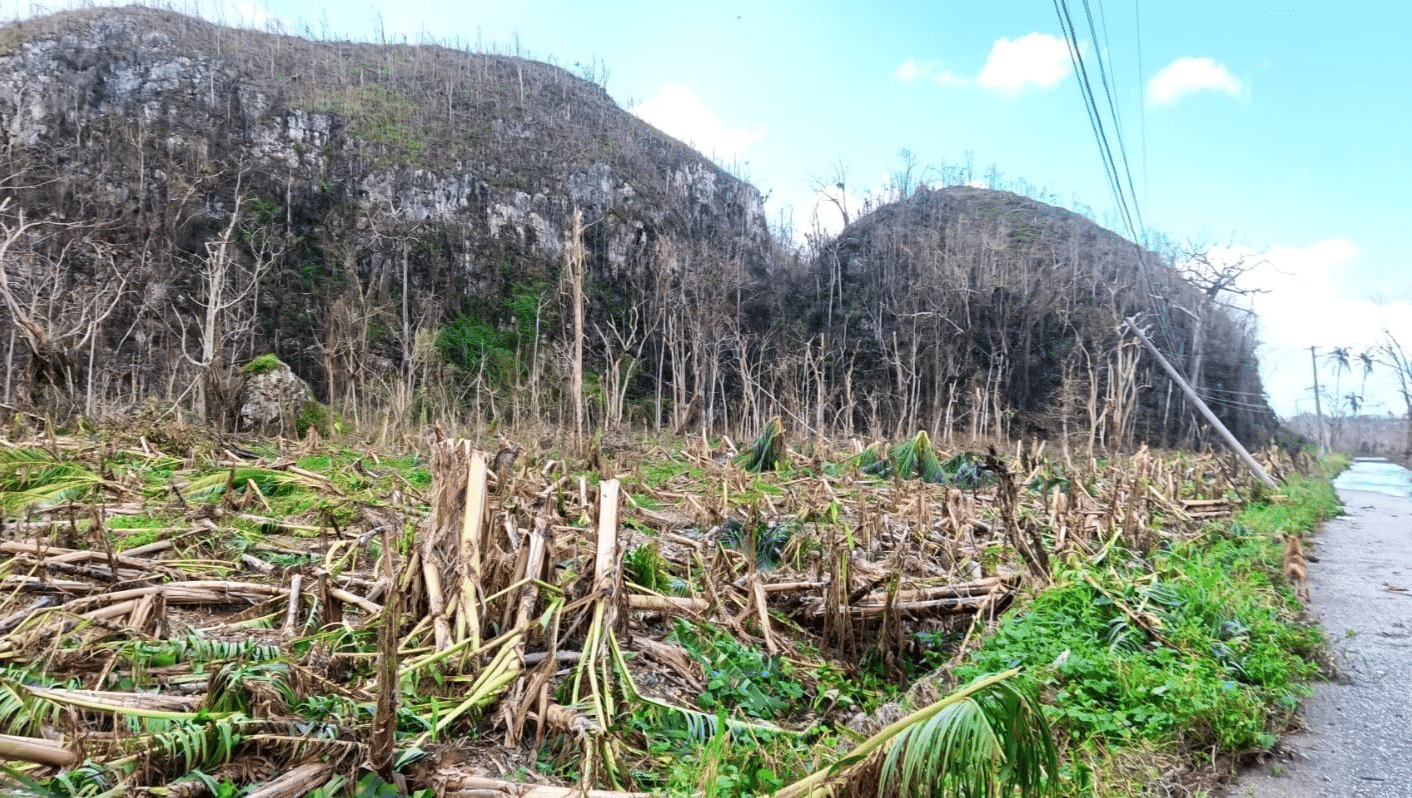
When Hurricane Melissa struck Jamaica in October 2025, the Category 5 storm brought destructive winds, heavy rainfall and widespread flooding that damaged agricultural production across the island. As farmers began rebuilding, access to vegetable seed became part of the recovery effort.
High Mowing Organic Seeds, based in Wolcott, Vermont, agreed to donate vegetable seed to organic farmers affected by the hurricane. The company worked with Nicola Shirley-Phillips of Jamaica Organic Agriculture Movement Limited, or JOAM, to coordinate the donation.
Getting the seed from Vermont to Jamaican farmers, however, required more than arranging a shipment. The seed also had to meet Jamaica’s phytosanitary and import requirements.
That brought the Iowa State University Seed Science Center into the effort.
Meeting Jamaica’s Import Requirements
Jamaica’s Plant Quarantine and Plant Inspection authorities require imported seed to meet phytosanitary standards designed to prevent the introduction of crop pests and diseases. Those requirements remained in place even as organizations worked to respond to hurricane recovery needs.
Seed health testing would determine whether the donated seed met those requirements, but testing costs presented a challenge for organizations already managing phytosanitary certification, international shipping and other expenses associated with the donation.
Representatives from Jamaica, High Mowing Organic Seeds and the Seed Science Center discussed the issue during two virtual meetings. Charles Block, manager of the Seed Science Center Seed Health Lab, participated in one of those meetings.
The Center ultimately agreed to conduct the required testing for the first shipment at no charge as an in-kind contribution to the recovery effort.
“We were in a position to help our fellow humans get back on their feet,” Block said in an ISU news release. “It just seemed like the right thing to do.”
Vegetable Seed Reaches Farmers
After testing was completed and the necessary import documentation was secured, the shipment reached Jamaica and cleared customs by the end of June.
The donated seed included tomatoes, peppers, cabbage, lettuce, carrots, cucumbers, melons and watermelons.
The seed will support organic farmers working to resume production following the hurricane. Some of the material will also be used for field testing through the JENESYS Project.
Shirley-Phillips and JOAM Board Chair Janice Duhaney credited the testing support with helping make the shipment possible.
“We would like to place on record our sincere appreciation for your sterling contribution to the process of importing organic seeds that will help support the post-Hurricane Melissa recovery program for the organic sector, in addition to the field tests under the JENESYS Project,” they wrote.
The Seed Science Center conducted the testing required by Jamaica’s Plant Quarantine and Plant Inspection authorities without charging JOAM for the work.
“We believe that we now have a better understanding of the process for importing organic seeds and would like to have further discussions with Iowa State and PQPI, in particular, to strengthen our collaboration, build capacity within the organic sector and increase our food security in a sustainable way,” they added.
Seed Health Testing Connects the Supply Chain
The project illustrates the role seed testing laboratories can play in international seed movement, particularly when phytosanitary requirements intersect with humanitarian or agricultural recovery efforts.
In this case, the Seed Science Center provided testing that allowed the donated vegetable seed to satisfy Jamaica’s import requirements without adding another expense for organizations coordinating the recovery shipment.
The effort also required cooperation among a seed company, a university laboratory, Jamaican regulators and an agricultural organization. Each had a different role in moving the seed through the process while maintaining plant health protections.
For farmers rebuilding after Hurricane Melissa, clearing those regulatory and testing hurdles meant vegetable seed could move from a donor in the United States into Jamaican production fields as recovery efforts continued.