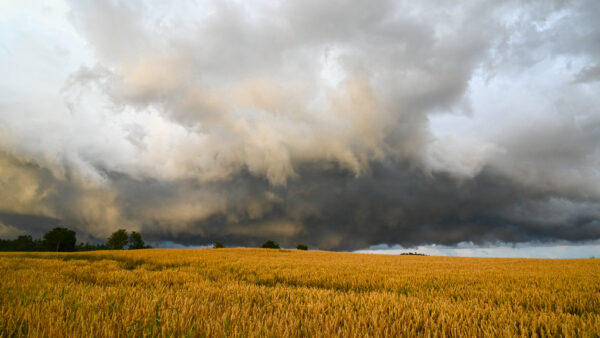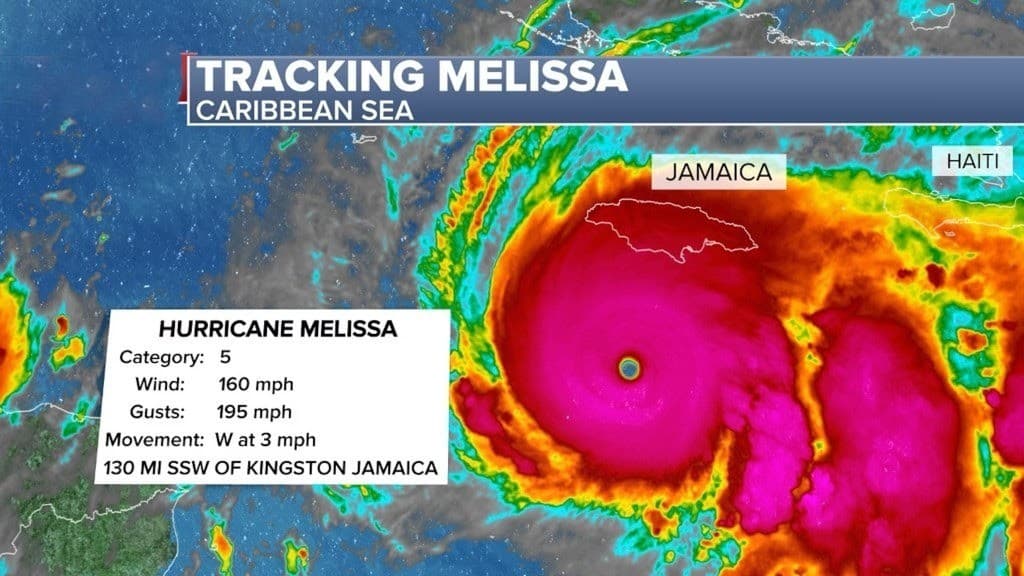
When Hurricane Melissa hit Jamaica in October 2025, the Category 5 winds, heavy rain, and extensive flooding had a devastating effect on agricultural production throughout the island. The island saw its crops destroyed, farms damaged, and producers left rebuilding their livelihoods.
Since you’re involved in the seed sector, you can appreciate the importance of having good quality seed after a disaster has occurred. It gives farmers the chance to replant, regain their income, and reestablish local food supplies. Yet, getting donated seed through international borders involves more than just being generous; it also demands the expertise, cooperation, and dedication of people at all points in the seed system.
High Mowing Organic Seeds from Wolcott, Vermont, showed its commitment by arranging to provide vegetable seeds to organic farmers who’d been affected by the hurricane. The company worked in cooperation with Nicola Shirley-Phillips of the Jamaica Organic Agriculture Movement Limited to carry out the donation; however, logistical, regulatory, and seed health testing requirements created challenges to get the seeds to the farmers who needed them.
Even while carrying out an urgent recovery operation, the Plant Quarantine and Plant Inspection authorities in Jamaica couldn’t just overlook the country’s phytosanitary requirements; their role was to guard Jamaican agriculture against diseases and pests which could be introduced via imported seed.
Such safeguards are important; nobody in the seed industry wants a well-meaning donation to result in a new agricultural problem.
It was apparent during the virtual meetings with the Jamaican partners, High Mowing Organic Seeds and the Iowa State University Seed Science Center, that the testing costs could create challenges in getting the seed to Jamaica quickly. Since recovery resources were already limited, the organizers also had to pay for phytosanitary certification and international shipping.
The Seed Science Center was able to overcome that obstacle thanks to the specialized expertise offered in our Seed Health Laboratory. As an in-kind contribution to Jamaica’s recovery, we agreed to carry out all the necessary testing for the first shipment free of charge.
We were in a position where we could assist our fellow humans in getting back on their feet and it just seemed the right thing to do.
Once the testing had been finished and the necessary import papers had been obtained, the consignment reached Jamaica and passed airport customs by the end of June. It consisted of tomatoes, peppers, cabbage, lettuce, carrots, cucumbers, melons and watermelons. The seed will enable organic farmers to get back into production and will at the same time help with the field trials as part of the JENESYS Project.
What this initiative shows is the kind of things that you and your colleagues in the seed sector as a whole are able to achieve; no matter whether you produce the seed, test it, regulate its transport, carry out research, or link it with farmers, your knowledge can turn a good idea into real action.
High Mowing supplied the seeds. Agricultural organizations in Jamaica identified the need and handled the import process. The regulatory authorities kept the island’s agriculture safe. Our laboratory provided the testing required to proceed with the shipment safely.
Each partner provided something unique, but all their contributions were essential.
To Jamaican farmers, these seed packets mean more than just vegetables; they provide the chance for renewed harvests, the recovery of their livelihoods, and a more resilient food system.
Whenever the seed industry cooperates, you’re doing more than just distributing seeds. You’re helping to protect agriculture, enhancing food security and assisting communities in planting the first seeds of recovery. Read More.