The report highlights applications in seed selection, autonomous weed control and precision agriculture while calling for stronger federal support for rural infrastructure, research and workforce development.
Artificial intelligence is increasingly influencing how U.S. crops are bred, planted, managed and harvested, according to a new peer-reviewed policy brief from the Council for Agricultural Science and Technology (CAST).
AI in Agriculture: Transforming the Food System from Data to Decisions to Action examines how AI can improve agricultural efficiency, strengthen crop resilience and support better use of water, fertilizer and other inputs. It also warns that federal policy is not keeping pace with the technology’s adoption.
From Seed Selection to Autonomous Equipment
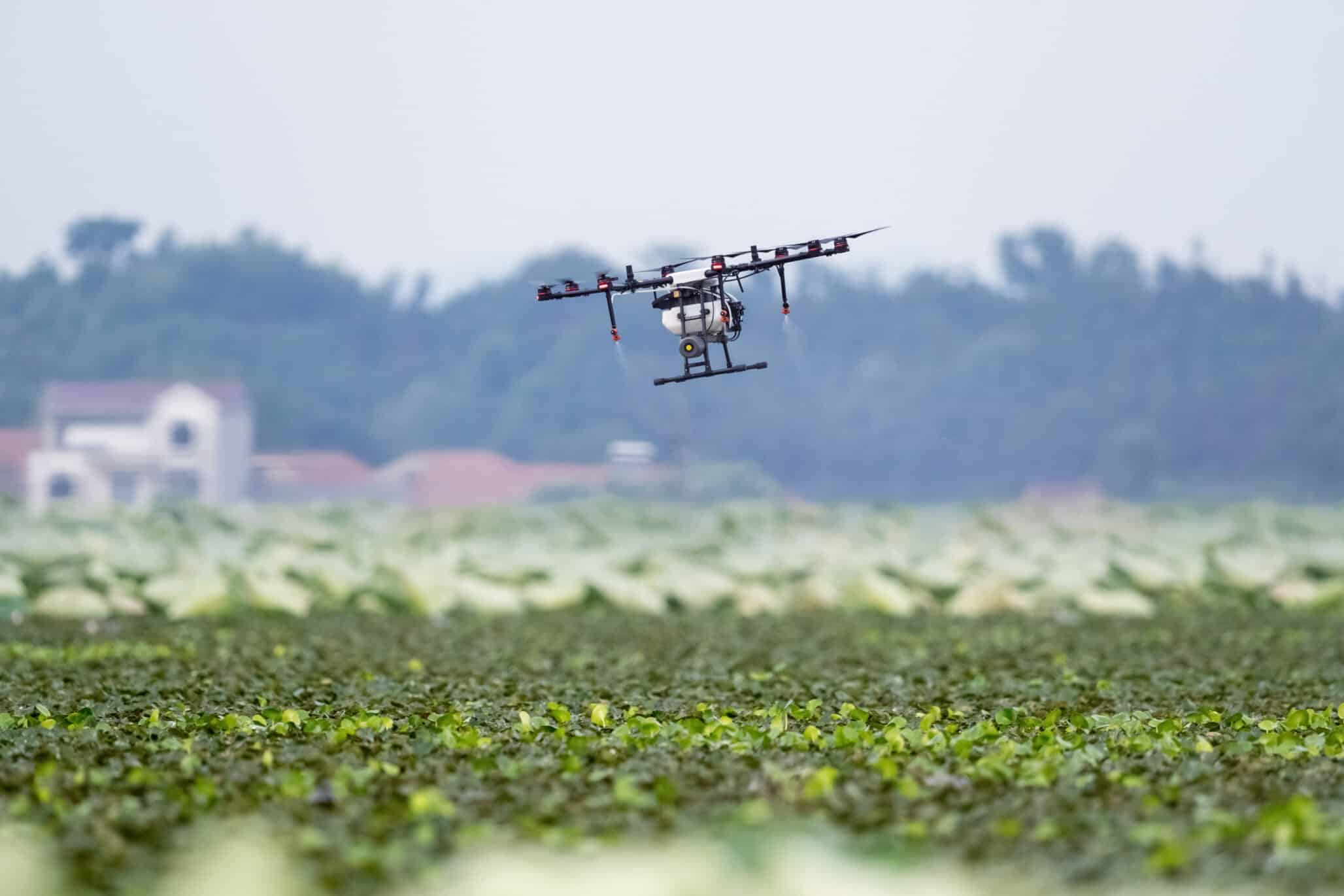
The brief points to AI-assisted seed selection, autonomous weed spraying and agricultural robotics as examples of technologies already moving into commercial use.
“Artificial intelligence has advanced so fast that it’s not really just a research tool anymore; it’s embedded in agricultural practice now,” said author Alex Thomasson, professor and director of the Agricultural Autonomy Institute at Mississippi State University. “From autonomous weed spraying to AI-assisted seed selection to real-time food safety inspection on processing lines, the technology is already changing how farmers work, how food moves through the system, and what we expect from that system. The policy conversation needs to catch up.”
The report describes AI’s progression from a tool that analyzes agricultural data to “physical AI” systems capable of taking action through autonomous machinery and robotics.
Data and Rural Infrastructure Remain Barriers
CAST identified reliable agricultural data, rural broadband, data ownership and workforce development as priorities for expanding AI use in crop production. The report also calls for continued research funding and greater clarity around how farm data is collected, controlled and used.
“How AI develops, how it is used in agriculture, and who has access to it over time are going to be heavily influenced by policy decisions, many of which are made by legislators,” Thomasson said. “We need funds for research, we need broadband connectivity in rural areas, we need clarity around data ownership, and we need to invest in the workforce that can build and maintain these systems. None of that happens without policy.”