Researchers are studying irrigation and crop management to help organic vegetable seed growers estimate yields and improve production decisions.
Trials in broccoli, lettuce, squash and tomato are helping researchers address a shortage of practical information on organic vegetable seed production.
The national Organic Seed Production Research on Economics and Yield project, known as OSPREY, combines university trials with grower records to examine how management practices affect seed yields. Findings will support a freely available yield database and economic decision-making tools.
“A lot of people are operating in this ‘no data zone’ because it just doesn’t exist yet,” said Kristie Buckland, an Oregon State University associate professor and Extension vegetable and specialty seed crop specialist.
Led by Organic Seed Alliance, the four-year, $3.4 million project receives funding through the U.S. Department of Agriculture’s Organic Research and Extension Initiative.
Irrigation Through Flowering and Seed Development
Unlike vegetables harvested for food, seed crops must continue growing through flowering and seed development. Irrigation recommendations for those later stages are often limited or unavailable, according to a press release.
OSU researchers are comparing irrigation levels and tracking crops through seed production, with a parallel trial underway in California. The goal is to determine how water management affects usable seed yield. Next year, trials will examine plant spacing.
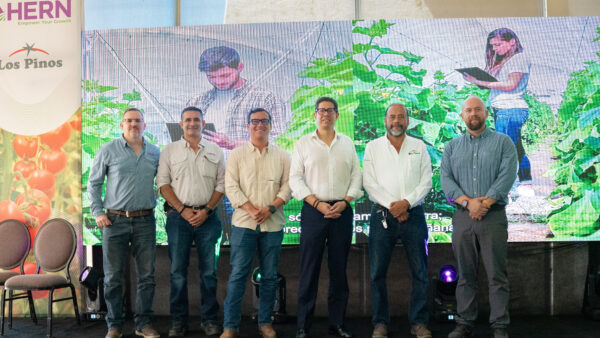
Buckland described the distinction during the Aug. 19 OSPREY Seed Summit and Field Tour at OSU’s North Willamette Research and Extension Center in Aurora, Oregon.
“I don’t care if I can eat the broccoli,” she told the field-day group, speaking from a seed grower’s perspective. “I want to know what the seed looks like at the end.”
Participating growers are producing some of the same varieties and contributing yield and production records, helping researchers assess performance across growing conditions.
Matching Water Applications to Crop Needs
Separate OSU work is evaluating lower-cost soil moisture sensors and helping growers translate readings into irrigation decisions.
Nearby delicata squash trials are testing irrigation levels to examine how moisture thresholds vary with crop, soil and growth stage. The research could help producers manage water, labor and energy more efficiently.
Breeding Vegetables for Farm and Market
The tour also highlighted specialty crop breeding, including brassicas combining characteristics of kale, collards and sprouting broccoli. One effort aims to develop a dual-purpose crop with tender leaves and broccoli-like shoots.
Breeders are considering field performance alongside flavor, appearance, nutrition and consumer appeal. Participating farmers are testing experimental crops beyond university plots.
“The breeders and all of us in this project are trying to find things that work better for farmers and taste great,” said Lane Selman, an OSU assistant professor of practice and founder of the Culinary Breeding Network.