Wheat has an exceptionally large and complex genome, and different varieties use their genes in unique ways. By studying RNA — the molecules that translate DNA instructions into action — researchers can identify which genes are active and when. For the first time, mapping this gene activity, or the wheat pan-transcriptome, offers a powerful tool to accelerate international wheat breeding programmes. This could speed the development of new varieties capable of adapting to the growing challenges of the climate crisis.
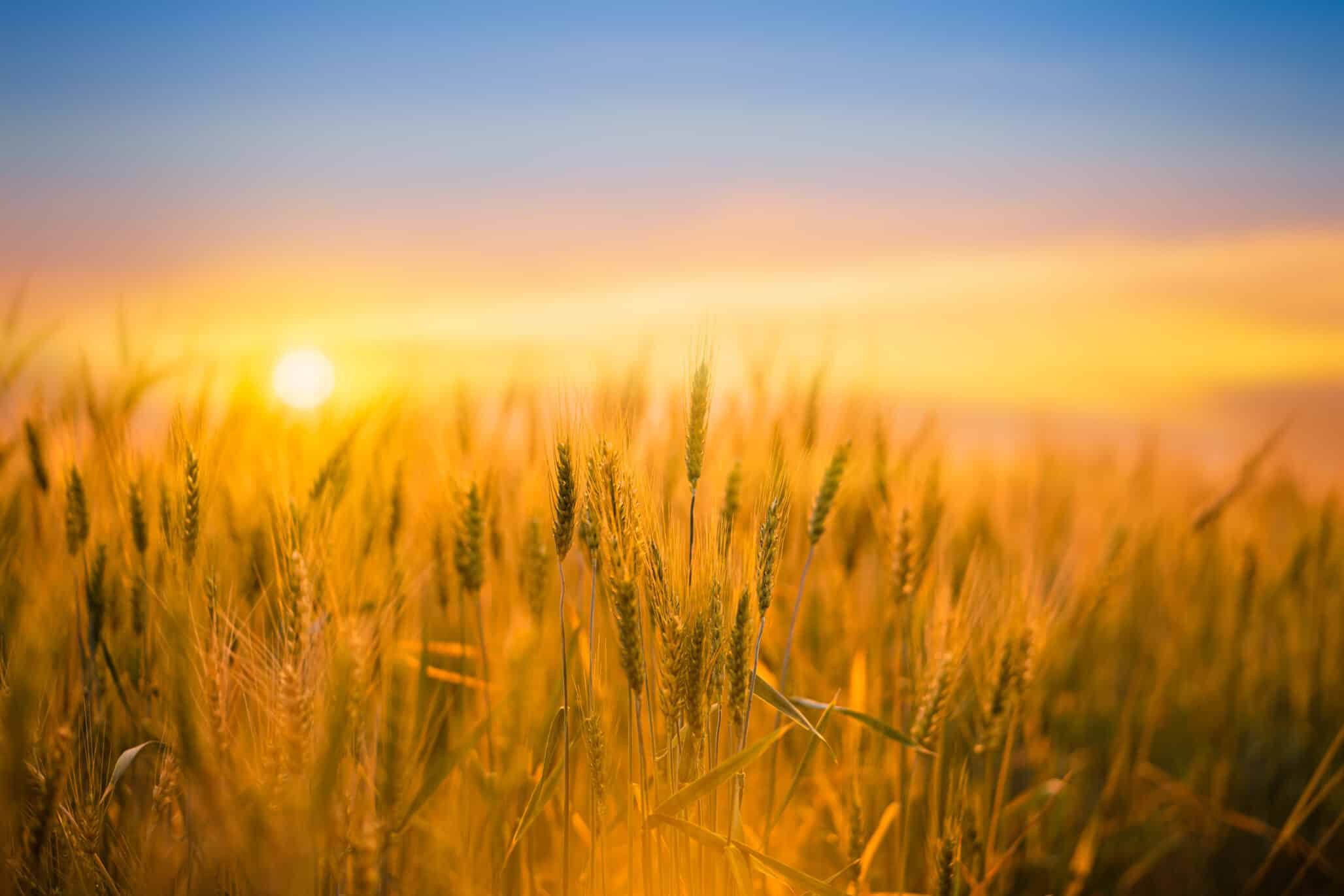
Wheat is the world’s most widely grown crop, covering more than 215 million hectares each year. To feed a rising global population, wheat production must increase by an estimated 60 per cent over the next 40 years — a huge challenge for plant breeders.
The wheat pan-transcriptome provides a pathway to meet this demand. It enables breeders to improve yields and create more resilient wheat varieties that can withstand higher temperatures, water scarcity, and poor soil conditions — without increasing reliance on fertilisers, which can harm biodiversity and cause pollution.
“We’ve revealed layers of hidden diversity spanning our modern wheat variations. This diversity is likely to underpin the success of wheat over such a wide range of global environments,” said senior postdoctoral researcher at the Earlham Institute and co-first author Dr Rachel Rusholme-Pilcher.
“We discovered how groups of genes work together as regulatory networks to control gene expression. Our research allowed us to look at how these network connections differ between wheat varieties revealing new sources of genetic diversity that could be critical in boosting the resilience of wheat.”
Moreover, this work has produced a valuable resource for the global wheat research community — demonstrating how national and international collaboration, combined with cutting-edge technologies, can drive breakthroughs in food security.
Much of wheat’s untapped genetic diversity reflects its long history of adaptation to diverse environments, shaped by more than 10,000 years of cultivation and over a century of modern breeding, according to a press release.
“The new expression atlas allowed us to independently predict and compare the gene content of the wheat cultivars,” deputy group leader in the Plant Genome and Systems Biology Group at Helmholtz Munich Dr Manuel Spannagl, said. “We used those gene predictions together with the pan-transcriptome data to identify pronounced variation in the prolamin superfamily and immune-reactive proteins across cultivars.”
Transcript isoform sequencing and de novo annotation was carried out by the Technical Genomics and Core Bioinformatics Groups at the Earlham Institute through the BBSRC-funded National Bioscience Research Infrastructure in Transformative Genomics.