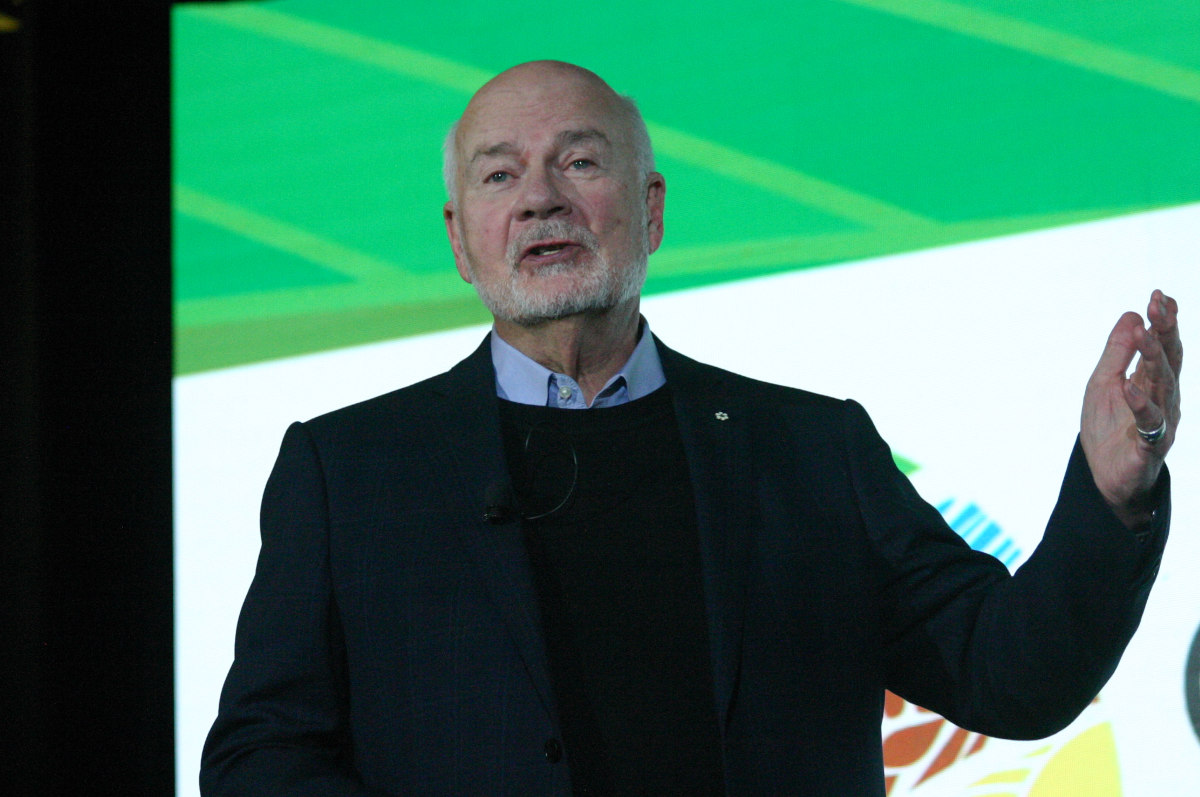
Peter Mansbridge connects climate change, northern security and China-Canada trade relations to the long-term competitiveness of Canada’s seed and grain sectors.
Veteran broadcaster Peter Mansbridge used a sweeping, blunt-edged keynote at today’s CropConnect Conference in Winnipeg to argue that Canadian agriculture, especially the canola sector, is now sitting at the centre of national politics, global trade realignment, and a fast-changing security debate in the Arctic.
His message to an industry built on exports was clear: the rules of the game are shifting, and Canada can’t afford to treat trade corridors, market access, or climate impacts as background noise.
“Things have changed,” Mansbridge said. “Our greatest friend has become our greatest problem.”
Key takeaways for the seed industry
- Trade diversification is moving from strategy to necessity as the Canada–U.S. relationship becomes more volatile.
- China is back in play, with canola a core bargaining chip in the latest thaw.
- Arctic security and northern infrastructure are becoming economic issues, not just military ones—affecting ports, logistics and sovereignty.
- Domestic unity and major “nation-building” projects will determine whether Canada can reduce reliance on the U.S. and protect export competitiveness.
Canada-U.S. relations: why farmers are watching Washington more closely than ever
For decades, Canadian agriculture operated on an assumption: the Canada-U.S. relationship would remain stable enough that exporters could plan around it. Mansbridge told the Winnipeg audience that assumption is now unsafe.
“I can’t remember since the Second World War any foreign leader having the kind of impact on what we think about ourselves than Donald Trump,” he says, describing a climate of uncertainty that is pushing Canadians and policymakers into a faster rethink of trade and sovereignty.
Mansbridge points to consumer behavior as an early indicator of political change translating into economic effects.
“Canadians aren’t going [to the U.S.] in the numbers they used to go,” he said. “We’re buying Canadian instead.”
For agriculture, the implication is bigger than tourism or retail patriotism: if political friction starts influencing procurement, border administration, or regulatory alignment, commodities and seed supply chains feel it quickly.
Canola and China: market access returns, but politics stays attached
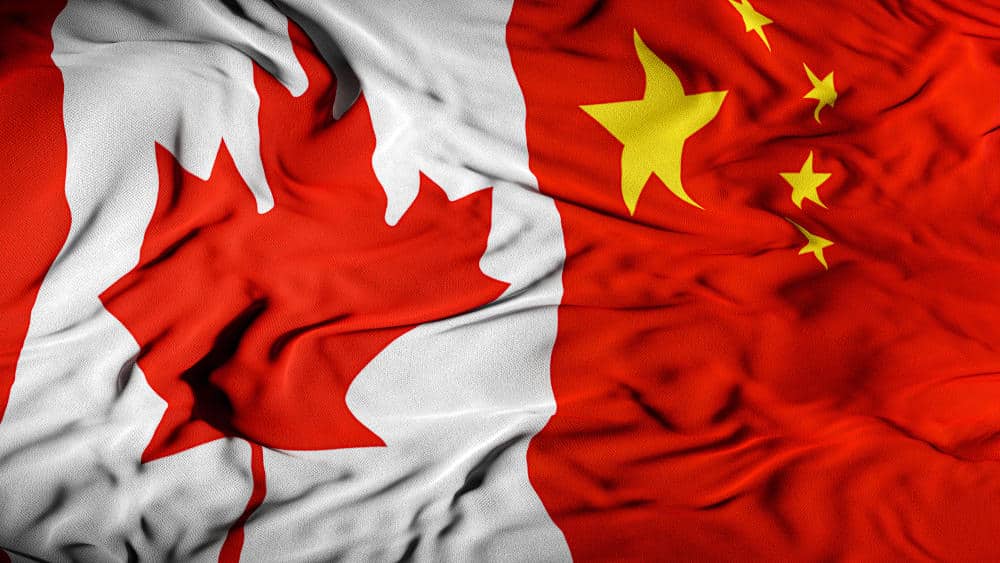
Mansbridge framed the recent Canada-China thaw as a reminder that canola is not just a crop — it’s leverage. The outcome, he argued, was a political trade-off that reopened the door, at least partially.
For the seed industry, the subtext matters: market access can be regained, but it may come tied to broader industrial policy and geopolitics, not just phytosanitary rules or quality specs.
Mansbridge also highlights the importance of provincial alignment when Ottawa makes trade moves that ripple across sectors.
“For that to happen, people had to be on side,” he says, describing premiers moving, sometimes reluctantly, toward a common front.
Mark Carney’s trade reset: “a gamble” with real consequences for exporters
Mansbridge argues that Prime Minister Mark Carney has signaled a sharper break from past assumptions about Canada’s place in North American trade.
“He was making it clear that the relationship as we had known it with the United States was over,” Mansbridge says. “We were going a different route.”
He didn’t sell the shift as painless.
“It’s a gamble,” he says. “There are risks, and people should be very clear about that.”
The Arctic, climate change and sovereignty: why it matters to agriculture
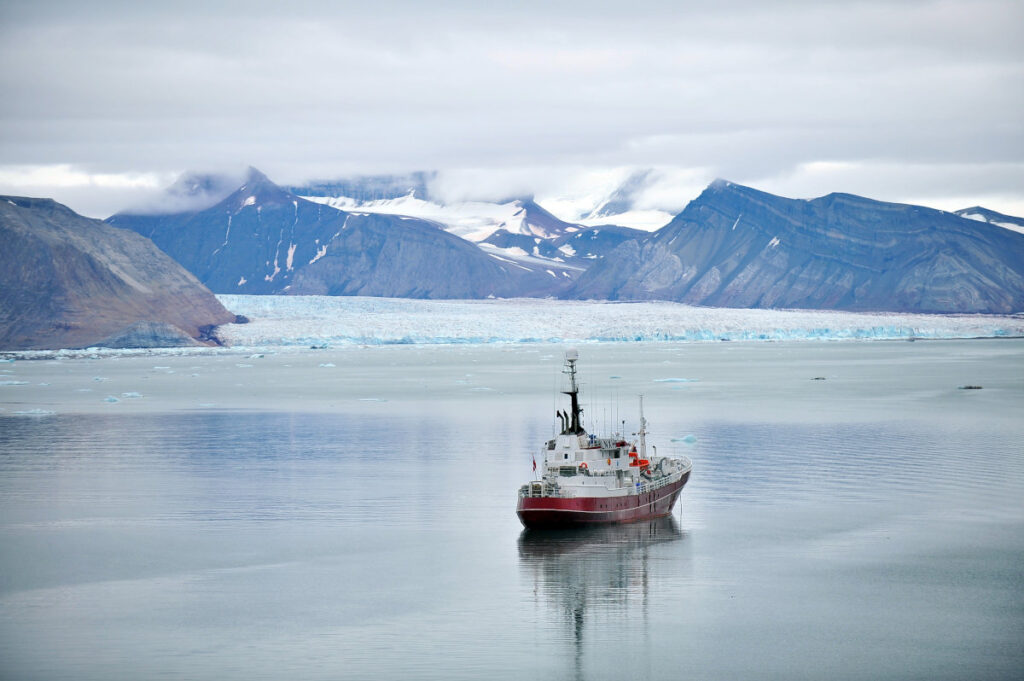
Mansbridge connects climate change to a new geopolitical reality: the Arctic is opening, and that is changing national security priorities and trade route thinking.
“It’s changing,” he says of northern conditions. “We can see climate change just like you can in your crops.”
He also called out the contradiction of Trump dismissing climate change while pursuing Arctic ambitions.
“He wouldn’t even think about Greenland if there wasn’t climate change,” he said, arguing that melting ice is enabling strategic positioning of ships in the region.
Port of Churchill: export corridor, nation-building project, and political symbol
Mansbridge repeatedly returned to the idea that northern infrastructure, especially Churchill, could become part of Canada’s response to global uncertainty.
“Churchill has this amazing opportunity,” he says, linking it to a broader “build Canada strong” framing and to export capacity.
He describes the potential in dual terms: economics and security.
“They want it to happen because it gives a lot of possibilities for export and trade,” he says, “but it also gives the option of better security.”
For agriculture, Churchill represents a conversation about redundancy and resilience: what happens when traditional routes face congestion, labour disruptions, weather extremes, or geopolitical shocks?
National unity, Western alienation and the politics of big projects
In a brief Q&A, Mansbridge was asked about separatist pressures and regional frustration — topics that directly affect agricultural policy, investment, and national cohesion.
“I say tread very carefully,” he said, warning that referendum campaigns can change opinions quickly and that alienation is sometimes rooted in genuine economic grievances.
He argued that big national projects — ports, pipelines, and region-specific economic strategies — can shift how regions feel about Confederation and opportunity.
“People have legitimate bones about the way their area has either benefited or not,” he said. “There’s got to be a way of fixing that.”
“Show me the beef”: farmers want execution, not slogans
A pointed question challenged Canada’s ability to actually deliver projects after years of delays. Mansbridge didn’t dodge it.
“The proof will be in the pudding,” he says. “Most Canadians feel, ‘show me the money.’ They want to see it.”
That’s an agricultural mindset: results matter, timelines matter, and uncertainty is costly.
At a moment when canola, seed innovation, market access and export corridors are entangled with geopolitics, Mansbridge’s bottom line is that Canadians, and the farm economy, are entering a higher-stakes era.
“We’re in a transition moment,” he says. “There are risks, but the possibilities are enormous.”