Embrapa Arroz e Feijão, based in Santo Antônio de Goiás (GO), has introduced a new group of bean cultivars designed to address practical demands across the production chain — from farmers and processors to retailers and consumers. The goal is clear: increase productivity, reduce agronomic risks, and improve grain quality in the market, with direct effects on farm income, supply stability, and predictability.
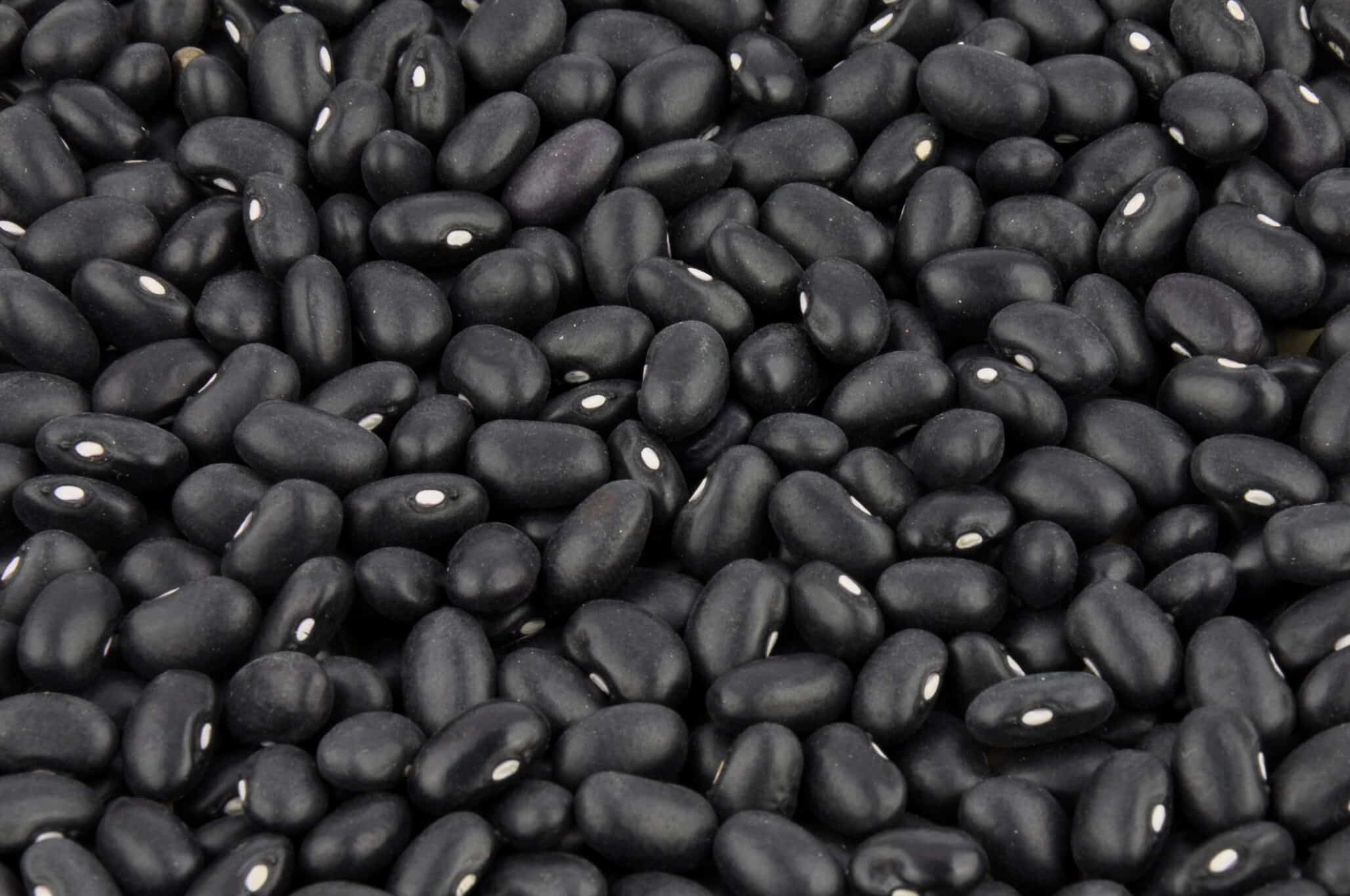
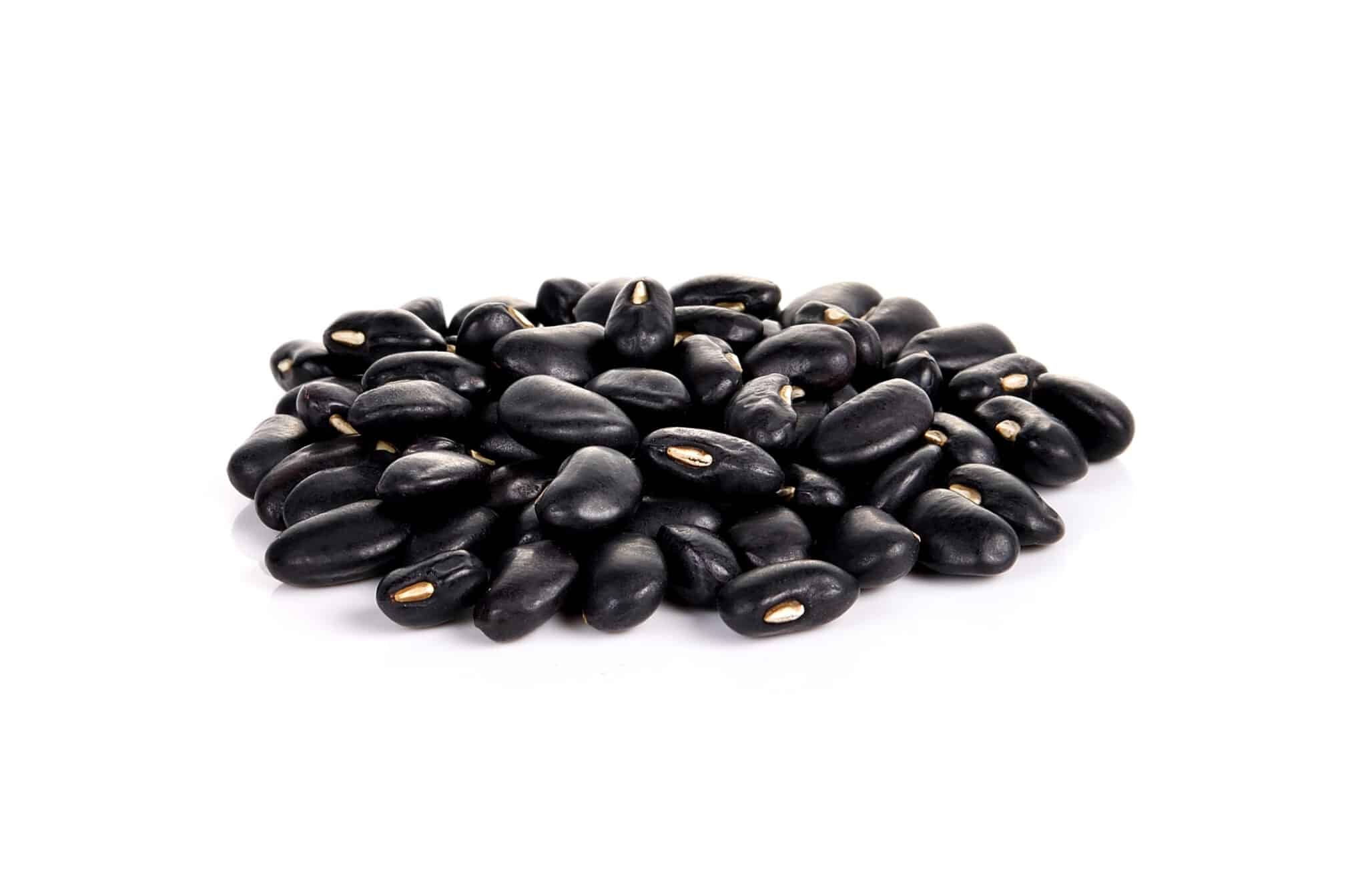
The new releases include two carioca bean cultivars — BRS ELO FC424 and BRS ELO FC429 — and two black bean cultivars — BRS FP426 and BRS FP327, officially launched in early 2026. From an agronomic standpoint, the strategy moves away from the idea of a single cultivar serving every purpose. Instead, the new package emphasizes better alignment with specific production regions, planting windows, and risk profiles.
At the market level, the cultivars also address an increasingly important issue: visual quality and shelf life. This is particularly relevant for carioca beans, where grain darkening over time can significantly reduce market value and limit marketing opportunities.
Carioca Beans: Productivity and Market Value
Among the carioca releases, BRS ELO FC424 stands out for its high productive potential, with an initial focus on the Southern region of Brazil and the possibility of expansion to the Midwest and Northeast. Productivity remains a critical factor for growers facing rising costs for inputs, labor, and field operations. Cultivars with higher yield potential can help dilute these costs and improve margins, according to a press release.
BRS ELO FC429, meanwhile, responds to a different market demand: slow grain darkening. This trait extends the time beans retain their desirable light color after harvest. For farmers, this means greater flexibility to choose the best moment to sell their crop. For processors and retailers, it translates into longer shelf life and potentially fewer losses in storage and distribution. Ultimately, maintaining visual quality for longer can influence both price stability and consumer acceptance.
Black Beans: Stability and Early Returns
For black beans, the focus shifts to production stability and early harvest cycles.
BRS FP426 is positioned as a cultivar designed for agronomic safety and stable performance, particularly in higher-risk environments. These include soils with a history of diseases or production systems under central pivot irrigation, where disease pressure can be significant. By improving stability under challenging conditions, the cultivar aims to reduce crop failure risk and bring greater predictability to harvest outcomes—an important factor for both producers and downstream buyers.
BRS FP327, in contrast, targets producers looking for early maturity combined with high productivity. Early-cycle cultivars can fit better into shorter planting windows and may allow farmers to respond more quickly to market opportunities. In some production systems, earlier harvest can also reduce exposure to critical weather periods or peaks in pest and disease pressure, although final results still depend on management and local growing conditions.
Expected Impacts: Efficiency and Practical Sustainability
The new cultivars arrive at a time when sustainability in agriculture is increasingly understood as a matter of risk management and operational efficiency. A cultivar designed to perform reliably in disease-prone areas does more than protect yields — it can reduce losses, improve the efficiency of water, fertilizer, and energy use, and increase income predictability for farmers and cooperatives.
In the case of slow-darkening beans, sustainability appears in a different form. By maintaining commercial quality for longer, these cultivars may help reduce waste and market devaluation. Improved shelf life can also enhance efficiency across the supply chain—from storage and processing to retail distribution—potentially contributing to more stable prices for consumers.
There is also a technological dimension. Cultivars tailored to specific market and production conditions give farmers more strategic decision-making power. Instead of choosing varieties solely based on tradition, producers can select cultivars according to planting windows, risk exposure, target markets, and logistical considerations.
A Package Designed for Diverse Production Systems
By combining high yield potential, commercial quality, and reduced production risk in a single release package, Embrapa highlights the diversity of bean production systems across Brazil. The new cultivars aim to serve a wide range of realities — from producers seeking fast and predictable returns to highly technified operations that rely on irrigation and intensive management to minimize uncertainty.
Between these extremes lies a critical challenge. In many regions, selecting the wrong cultivar is not a minor technical issue — it can directly affect farm profitability, increase debt, and threaten the continuity of family farming operations.
The next step will be translating these launches into results in the field. That will depend on regional recommendations, access to certified seed, technical assistance, and validation across different production environments.
The central promise, however, is already clear: higher productivity where it matters, greater stability where risks are higher, and improved value where the market rewards quality.