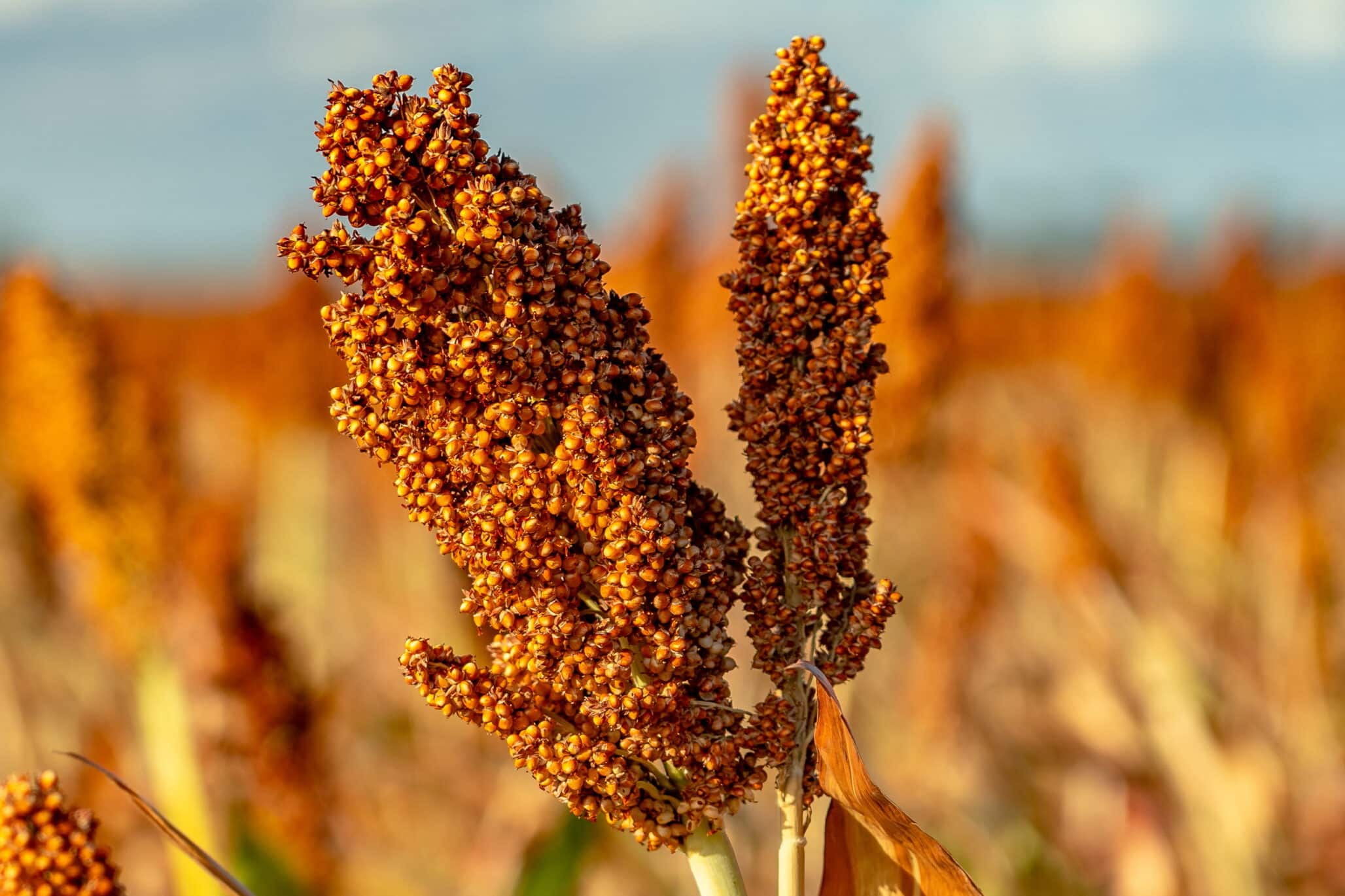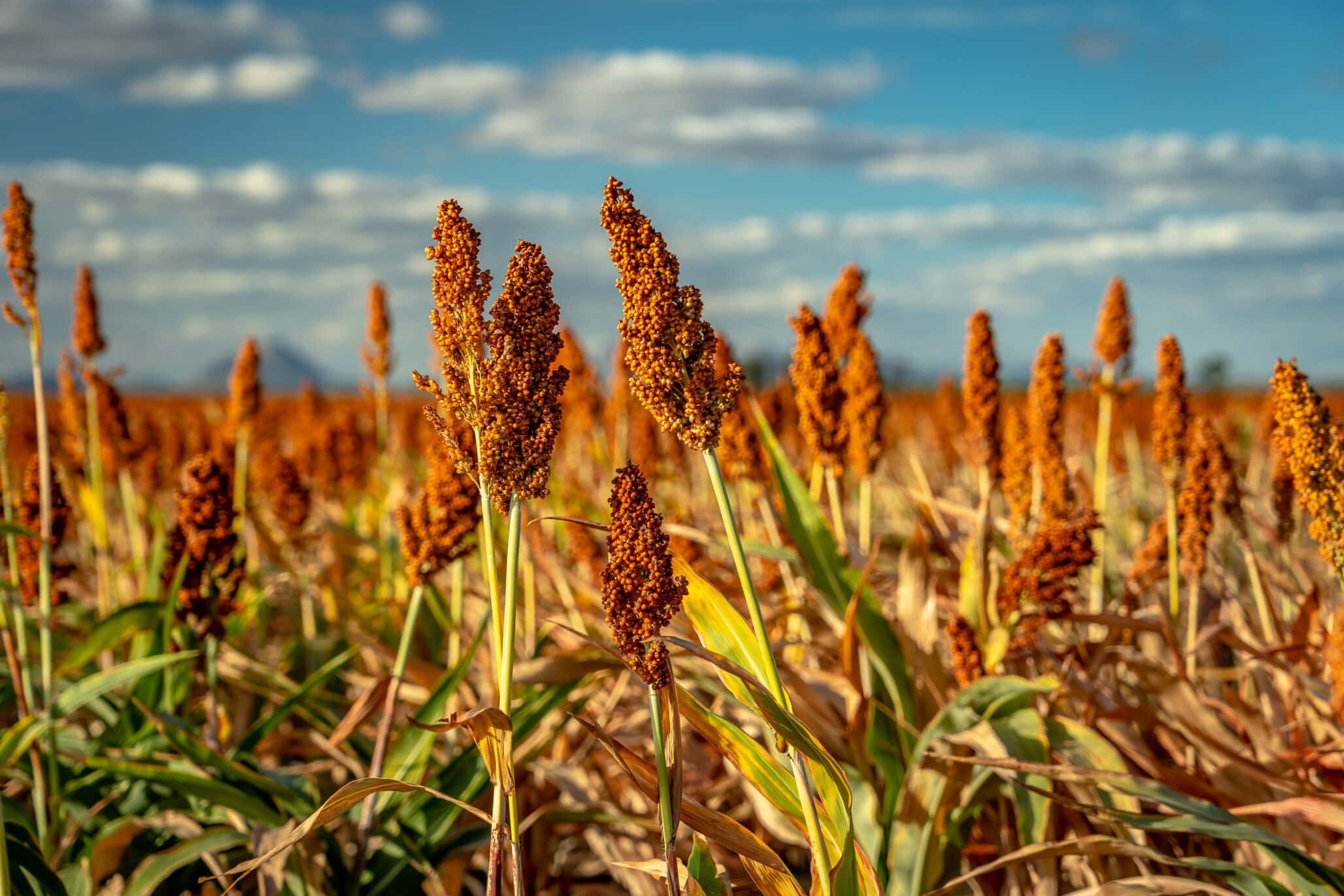
Embrapa Corn and Sorghum (Minas Gerais) and the company Latina Seeds have launched the giant forage sorghum hybrid BRS 662, marketed as LAS6002F. The new cultivar is notable for its early cycle and stable forage production in both the first and second cropping seasons, delivering consistent results under a range of growing conditions.
BRS 662 (LAS6002F) also offers forage yield potential above 80 tons per hectare in a single cut, with a cycle of up to 125 days. In addition, the hybrid has strong regrowth capacity, which can reach up to 60% of the output achieved in the first harvest.
The new sorghum is recommended for cultivation in Brazil’s main forage sorghum-producing regions: the Midwest (Federal District, Goiás, Mato Grosso, and Mato Grosso do Sul) and the Southeast (Espírito Santo, Minas Gerais, Rio de Janeiro, and São Paulo).
“Added to the high yield and precocity, which guarantee its competitiveness in the market, BRS 662 (LAS6002F) has very good health in relation to severe fungal diseases, such as anthracnose, helmintosporosis and cercosporiasis, which are among the worst threats to this crop in the country,” says researcher Rafael Parrella, responsible for the development of the hybrid at Embrapa Corn and Sorghum.
The hybrid delivers high-quality forage with elevated cellulose and hemicellulose— the second most abundant carbohydrate in plant cell walls after cellulose—combined with low lignin content. This composition supports multiple applications, including animal feed, biogas generation, and energy cogeneration, with relatively low production costs.
Additional characteristics include an average plant height of 4 to 5 meters and brown-colored grains, according to a press release.
“The cultivar has great tolerance to bedding/tipping, a fundamental characteristic for this category of tall hybrids,” says Parrella.
Giant sorghum and its importance for the market
William Sawa, executive director of Latina Seeds, said the BRS 662 (LAS 6002F) hybrid was driven by the idea that Brazil’s agribusiness would benefit from a closer alliance between two sorghum-focused organizations. In his view, combining their intellectual resources and genetic portfolios would make it possible to develop more innovative products and deliver new solutions to the market.
Latina Seeds already had experience with giant forage sorghum, but Sawa noted that the company lacked a material that also produced a panicle (grain) in the first harvest. He said that, after several years working with Embrapa Corn and Sorghum, the partnership is now bringing a differentiated product to producers.
Sawa also pointed out that Brazil still does not have a clear measurement of forage sorghum consumption, unlike grain sorghum. To gauge the potential market for giant sorghum, he said the sector often uses the national cattle herd as a reference. Citing IBGE data, he noted that Brazil has 238.18 million head of cattle, and emphasized that the demand for fodder makes livestock production the primary market for this type of sorghum.
Management and marketing
For the 2026 harvest, the first production run of BRS 662 (LAS 6002F) totaled 10,000 bags of seed. The material was sold across Brazil, from North to South, and also exported to Paraguay. William Sawa said the company is currently planning the next production cycle and expects to at least triple the volume for the following harvest, targeting supply for more than 30,000 hectares.
The hybrid is marketed in packs containing 150,000 seeds. Sawa explained that the goal is to commercialize sorghum in a more “professionalized” format — similar to corn and soybeans — by shifting from sales by weight to sales by seed count per bag. The recommended planting rate is 120,000 to 130,000 seeds per hectare. Seeds are delivered with industrial treatment including insecticide and fungicide to protect seedlings during germination.
Sawa also stressed the importance of soil testing to guide fertilization according to crop needs, supporting higher yields and better forage quality. He noted that controlling caterpillars and aphids during the vegetative stage is critical, and that fungicide applications can help preserve leaf area and improve silage quality.