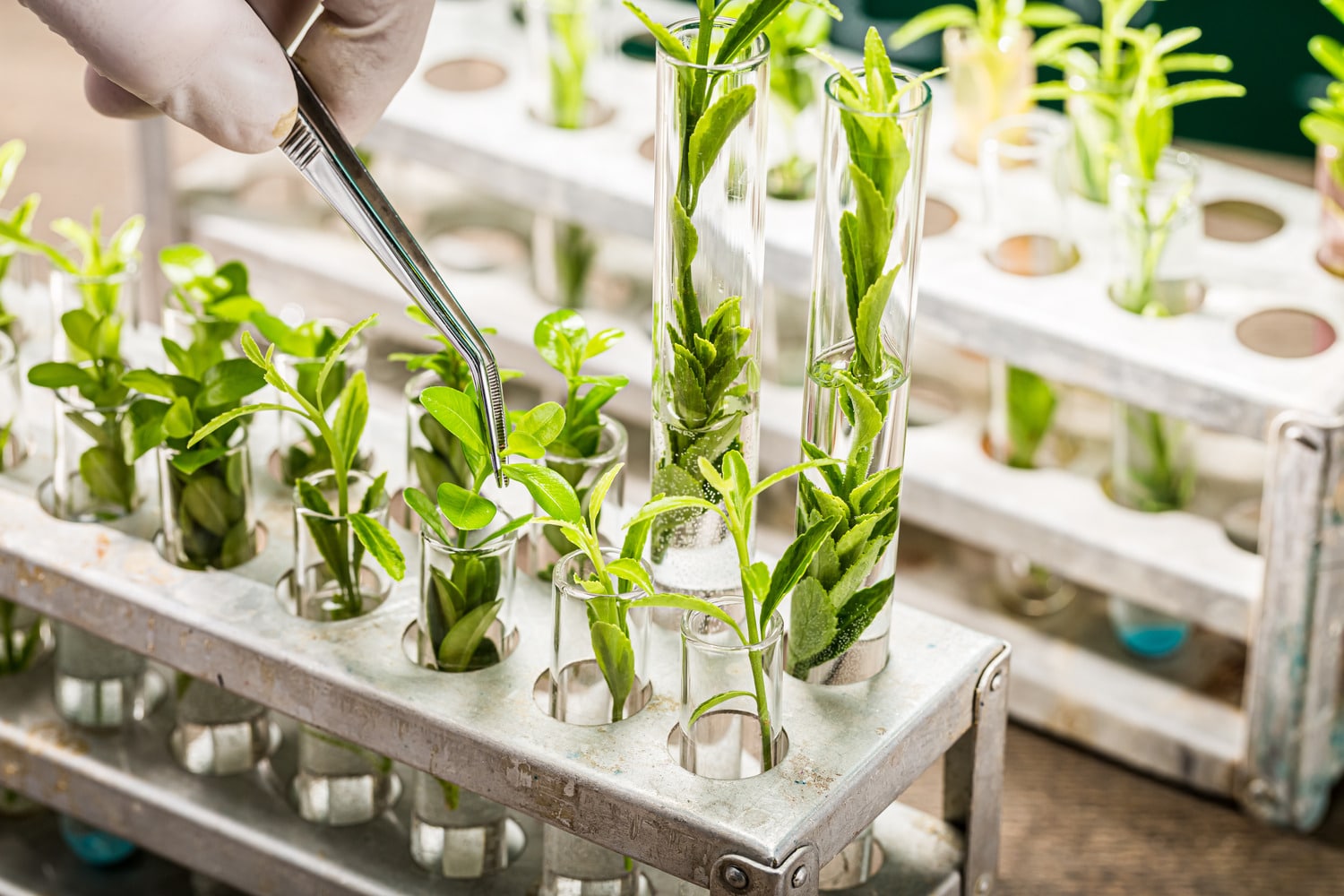
A gene-edited barley developed by scientists at Rothamsted Research has become the first crop to receive a Precision Bred Organism (PBO) marketing notice confirmation under the UK’s new precision-breeding regulatory framework.
This confirmation means the barley qualifies as a precision-bred organism under the Genetic Technology (Precision Breeding) Act 2023 and the Genetic Technology (Precision Breeding) Regulations 2025. It can now move forward into broader evaluation, including further research and analysis, and toward eventual commercial use of the trait.
The barley was developed using CRISPR gene editing to increase lipid levels in plant tissues, creating a higher-energy forage crop for ruminant livestock such as cattle and sheep. Higher lipid content in forage can improve feed efficiency and may help reduce methane emissions generated during digestion. The changes made to the barley involve small genetic edits that could also arise naturally or through conventional breeding. This approach was also approved following scientific review by the Advisory Committee on Releases to the Environment, according to a press release.
Researchers at Rothamsted achieved this by making small edits to genes that normally break down plant oils. By slowing that process, the plants accumulate more lipids in their vegetative tissues. The result is a forage crop with greater metabolisable energy, which could help livestock obtain more energy from the same amount of feed.
“This barley has been designed to increase the energy density of forage by boosting lipid levels in the plant,” Peter Eastmond, who led the research at Rothamsted, said. “Higher-energy feed can improve livestock productivity and offers a promising route to reducing methane emissions from ruminant agriculture. Receiving the first precision-bred marketing notice for a crop in the UK is a major milestone and reflects many years of research into plant lipid metabolism and gene editing at Rothamsted.”
The PBO confirmation marks a key milestone within the UK’s new precision breeding regulatory framework, enabling plants with targeted genetic changes — similar to those that could occur naturally — to be developed and evaluated more efficiently.
“This decision demonstrates how the UK’s precision breeding framework can enable responsible innovation in crop science,” Freddie Theodoulou, Green Engineering Strategic Programme leader at Rothamsted Research, said. “It allows researchers to translate discoveries into crops with real-world benefits while maintaining rigorous scientific oversight. Traits like this high-lipid barley illustrate the potential of precision breeding to support more sustainable agriculture — in this case by improving the nutritional quality of forage and helping reduce greenhouse gas emissions from livestock.”
The barley is being assessed through the PROBITY initiative (Platform to Rate Organisms Bred for Improved Trait and Yield), a collaborative programme bringing together researchers, farmers, and supply chain partners to test precision-bred crops under real farm conditions. The project is led by the British On-Farm Innovation Network and funded through Defra’s Farming Innovation Programme, delivered by Innovate UK.
In addition to the high-lipid barley, PROBITY is also evaluating precision-bred wheat varieties developed to improve grain quality and yield, led by Rothamsted Research and the John Innes Centre, respectively.
By working closely with farmers and industry stakeholders, the initiative aims to generate evidence on the performance, benefits, and practical uses of precision-bred crops across the UK food system.