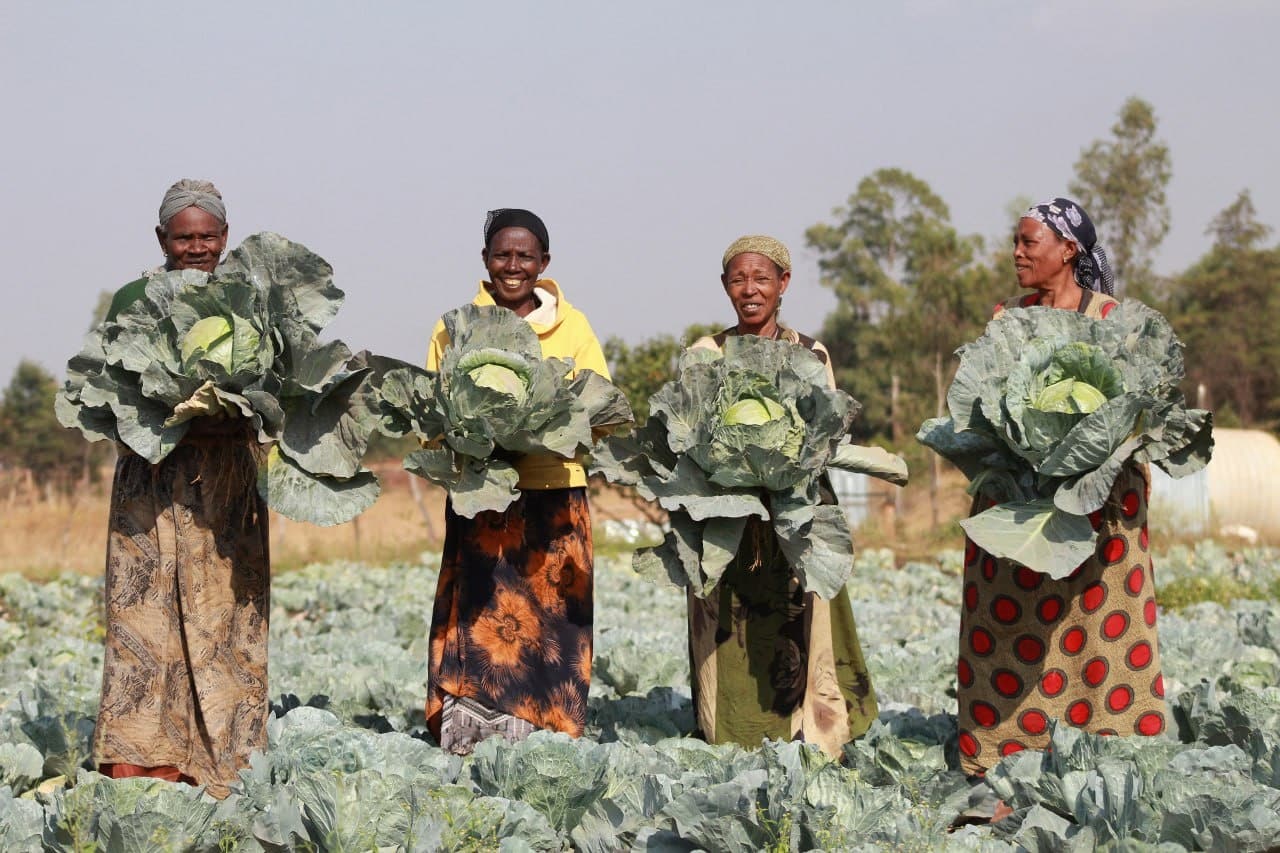
A small team, a global network and millions reached — Seed Programs International connects smallholder farmers to the seed sector, turning donations and partnerships into measurable food security impact.
At a time when global food systems are under pressure, one organization is proving that the most powerful solutions can start small — with a single seed.
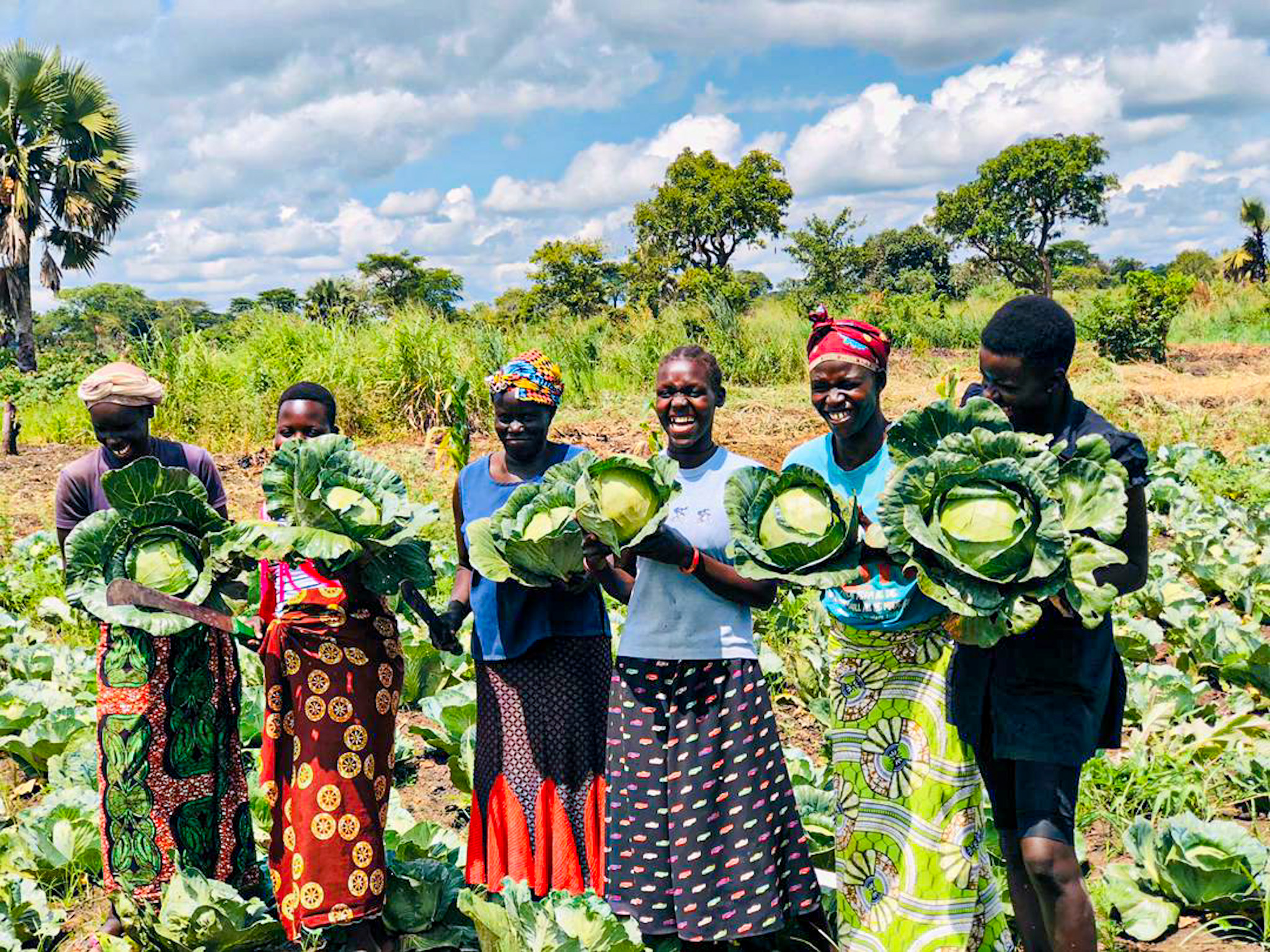
Seed Programs International (SPI) has spent more than 25 years working at the intersection of the seed sector and global food security. Since its founding in 1998, the organization has partnered with more than 400 organizations across 94 countries and helped supply seeds for millions of gardens worldwide.
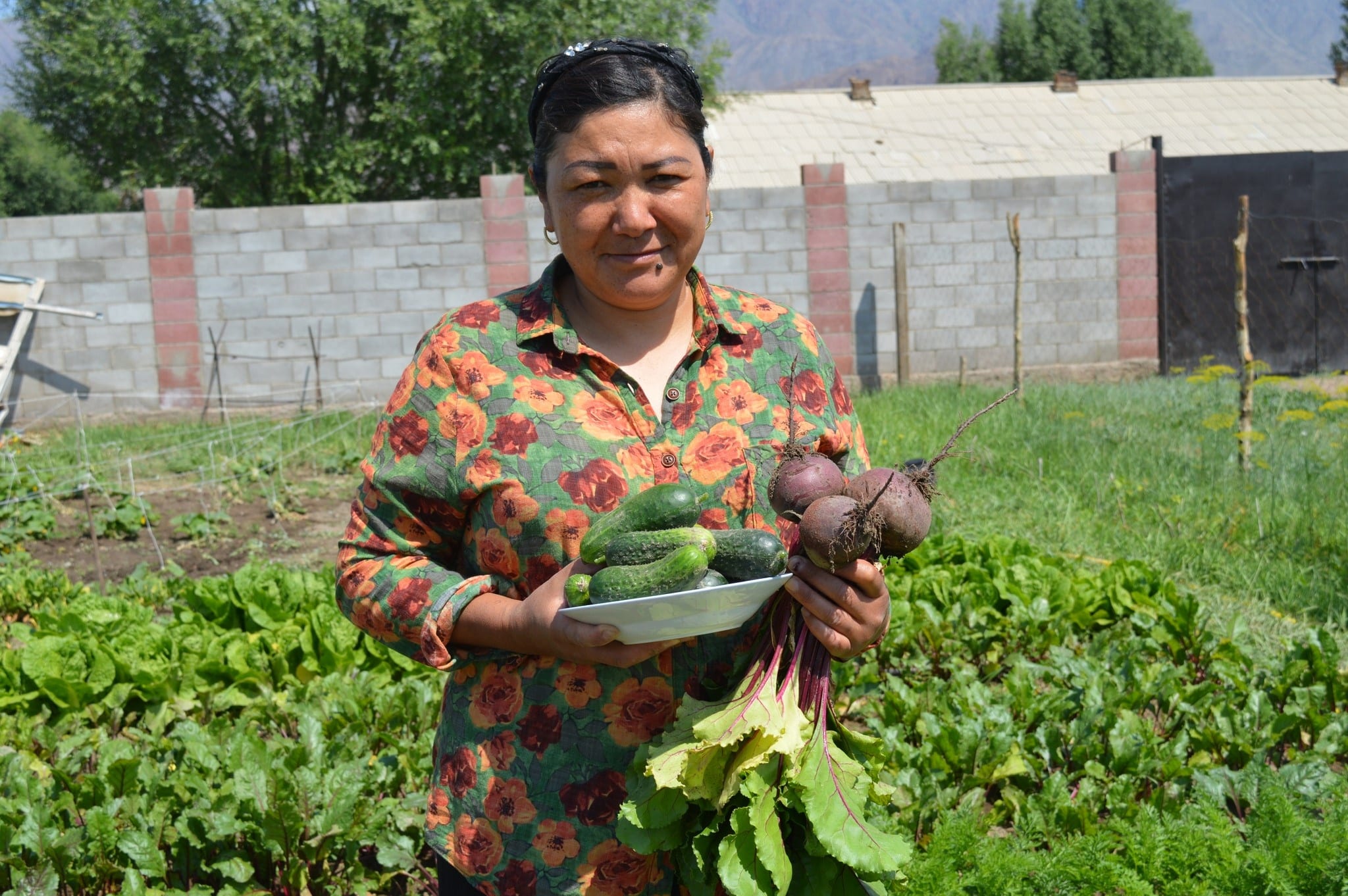
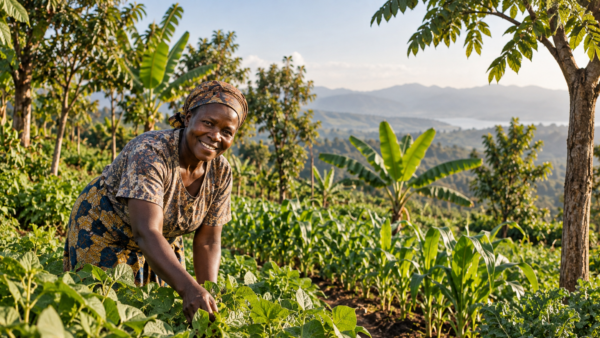
Behind those numbers is measurable, human impact. SPI’s work has reached more than 9 million people, supporting communities with the tools to grow their own food, improve nutrition and build more resilient livelihoods.
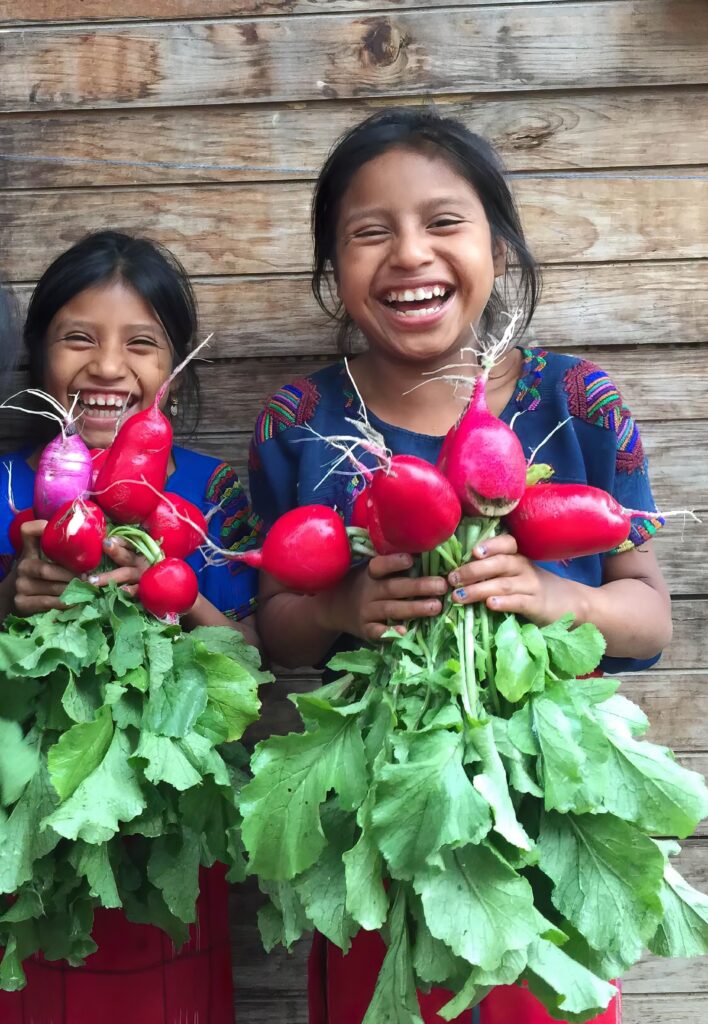
“The impact is very tangible,” says Robyn Love, SPI president and CEO. “People are getting seeds, they’re planting them and that’s improving the food security of their communities. It’s very applied, very real.”
Built for Impact, Not Overhead
That simplicity is intentional. Rather than building large in-country teams, SPI operates through a highly efficient partnership model. The organization connects seed companies, funding partners and local organizations already working on the ground, ensuring resources go where they are needed most.
“We work through local partners who already know their communities,” Love says. “They tell us what they need and we help connect them to seed, training and resources to make those programs successful.”
That approach keeps overhead low and impact high. It also creates a feedback loop between farmers and the seed sector, something Love says is critical.
Connecting Seed to the Right Hands
“At events like the ISF World Seed Congress, everyone is focused on moving seed globally,” she explains. “We’re focused on how to get the right seed into the hands of smallholder farmers and make sure it’s what they actually want and need to grow.”
SPI’s model is built on more than seed distribution. Programs also include training, technical support and capacity building to strengthen local food systems long term. The goal is not dependency, but resilience.
In the past year alone, SPI partnered with 77 organizations across 21 countries and distributed more than 1.8 million packets of seed, enough to grow an estimated 50 million servings of vegetables.
Where Does the Industry Meet Global Food Demand?
For the seed industry, the opportunity to engage is wide open.
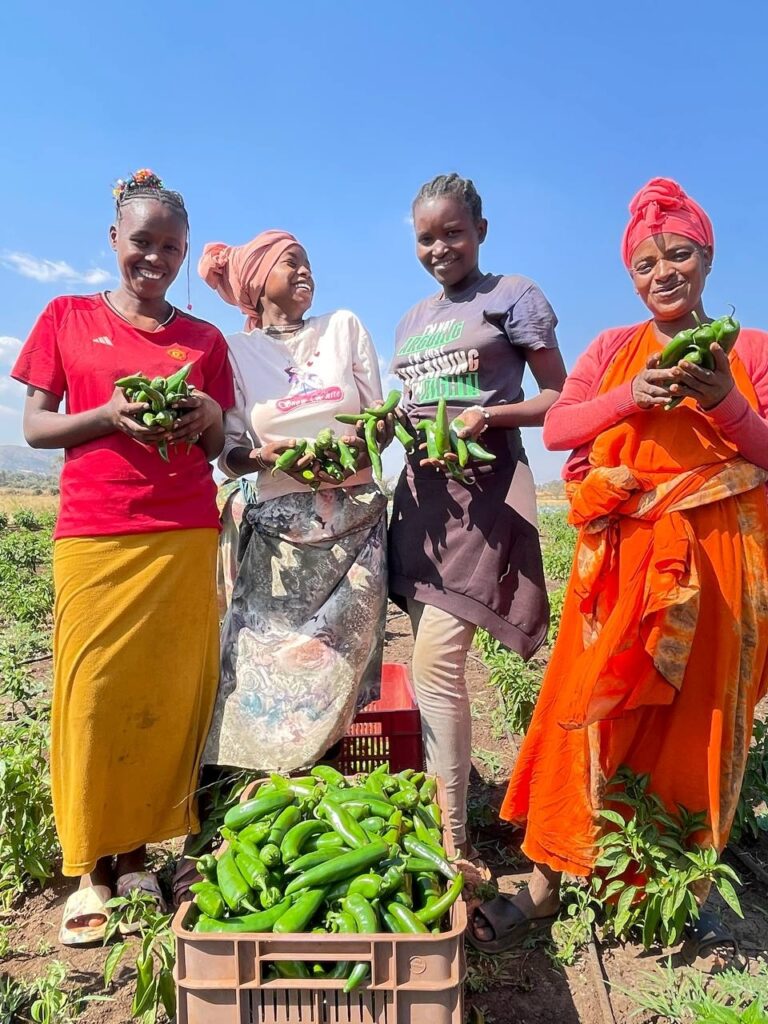
SPI works closely with companies that donate seed, fund programs or contribute expertise in the field. Some support comes through industry initiatives, including activities at the ISF World Seed Congress, where proceeds from events like the Germains-sponsored boat cruise help fund SPI’s work.
“There’s so much happening across the seed sector — breeding, production, field demonstrations,” Love says. “If we can connect that knowledge and those resources to the communities we serve, the impact multiplies.”
ISF World Seed Congress attendees may connect with SPI at table #182 to learn more about partnership opportunities, seed and financial donations and ways to get involved. Ton van der Velden, Stacy Davis and Vicki Miller will be available to answer questions and share more about SPI’s work. For more information visit SPI’s website at www.seedprograms.org.
In a world facing rising food insecurity, the seed sector has a unique role to play. And as SPI continues to demonstrate, even small inputs can lead to lasting change, with the right connections.