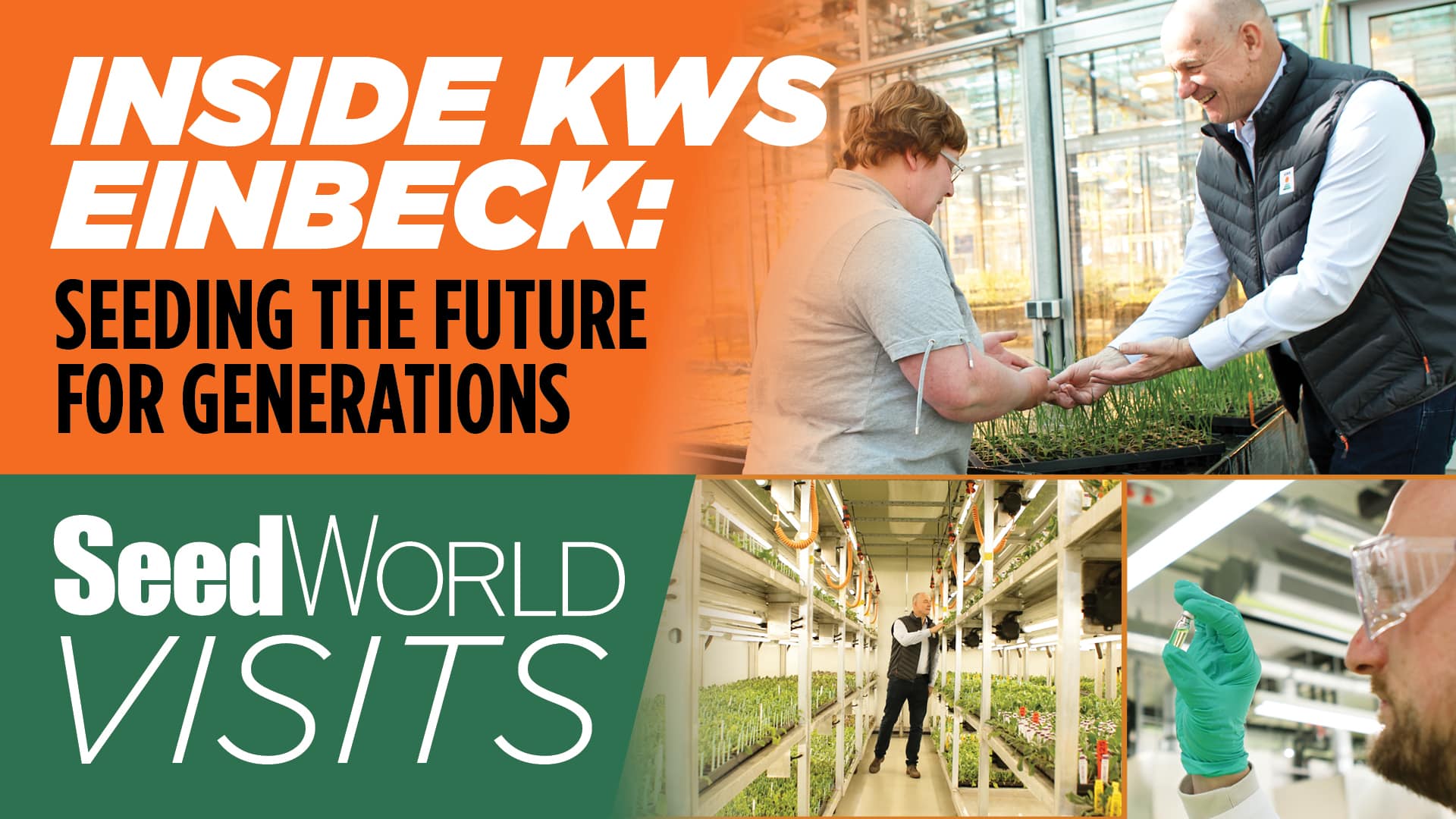
How 170 years of independence, scientific know-how and long-term thinking continue to shape KWS’s role in modern plant breeding.
Plant breeding rewards patience. It unfolds over seasons, decades and, in some cases, generations. At KWS, the timeline stretches back 170 years, but the company’s focus remains firmly on what lies ahead.
What began as an early insight into the potential of sugar beet in 19th-century Germany has evolved into one of the world’s leading plant breeding companies, driven by scientific curiosity, strategic vision and close partnerships with farmers.
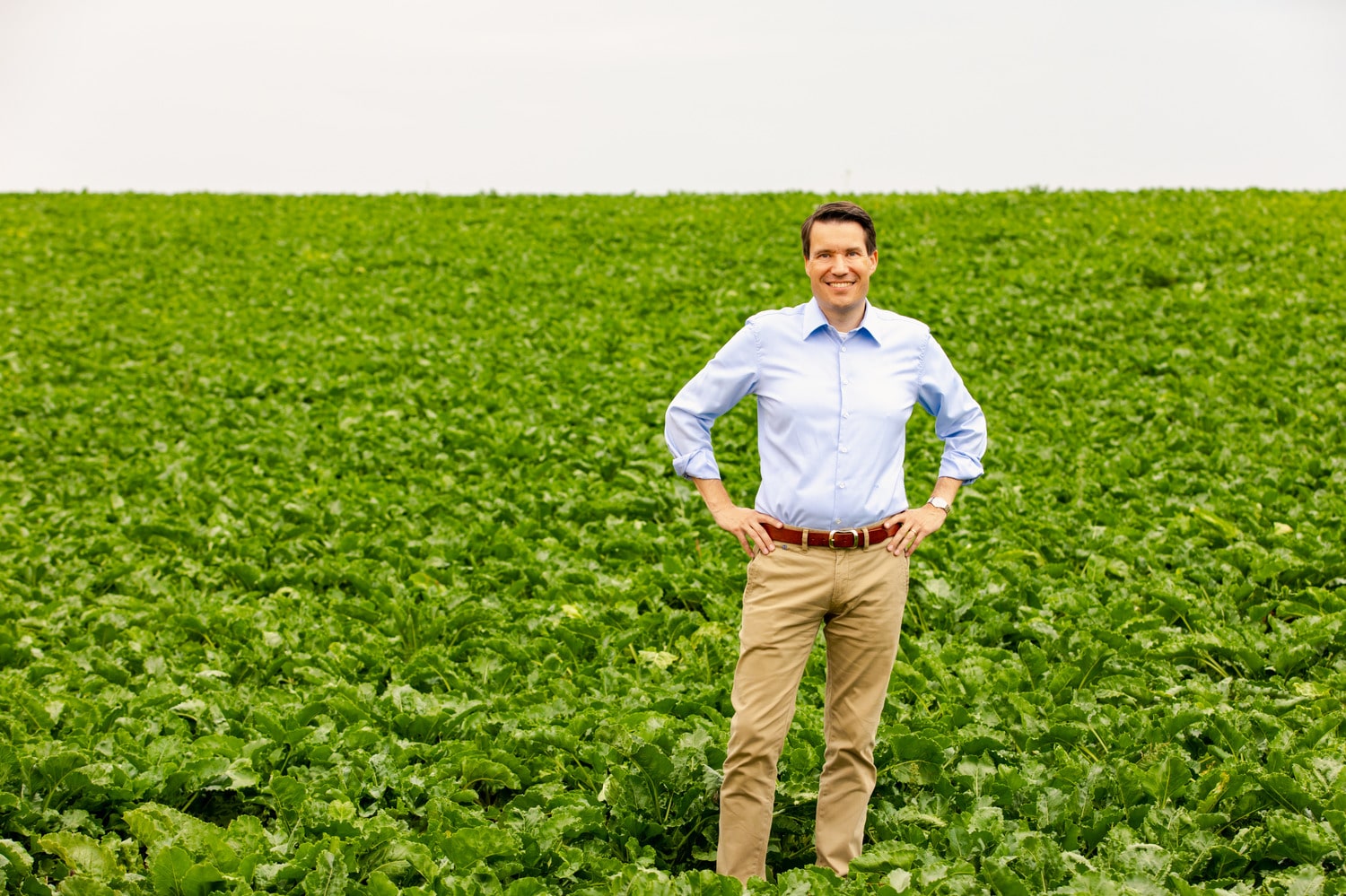
“At the heart of KWS is a clear identity: we are seed specialists — this is our DNA,” explains Felix Büchting, KWS CEO. “We develop varieties our customers can rely on, today and in the future.”
From Sugar Production to a Leading Breeding Company
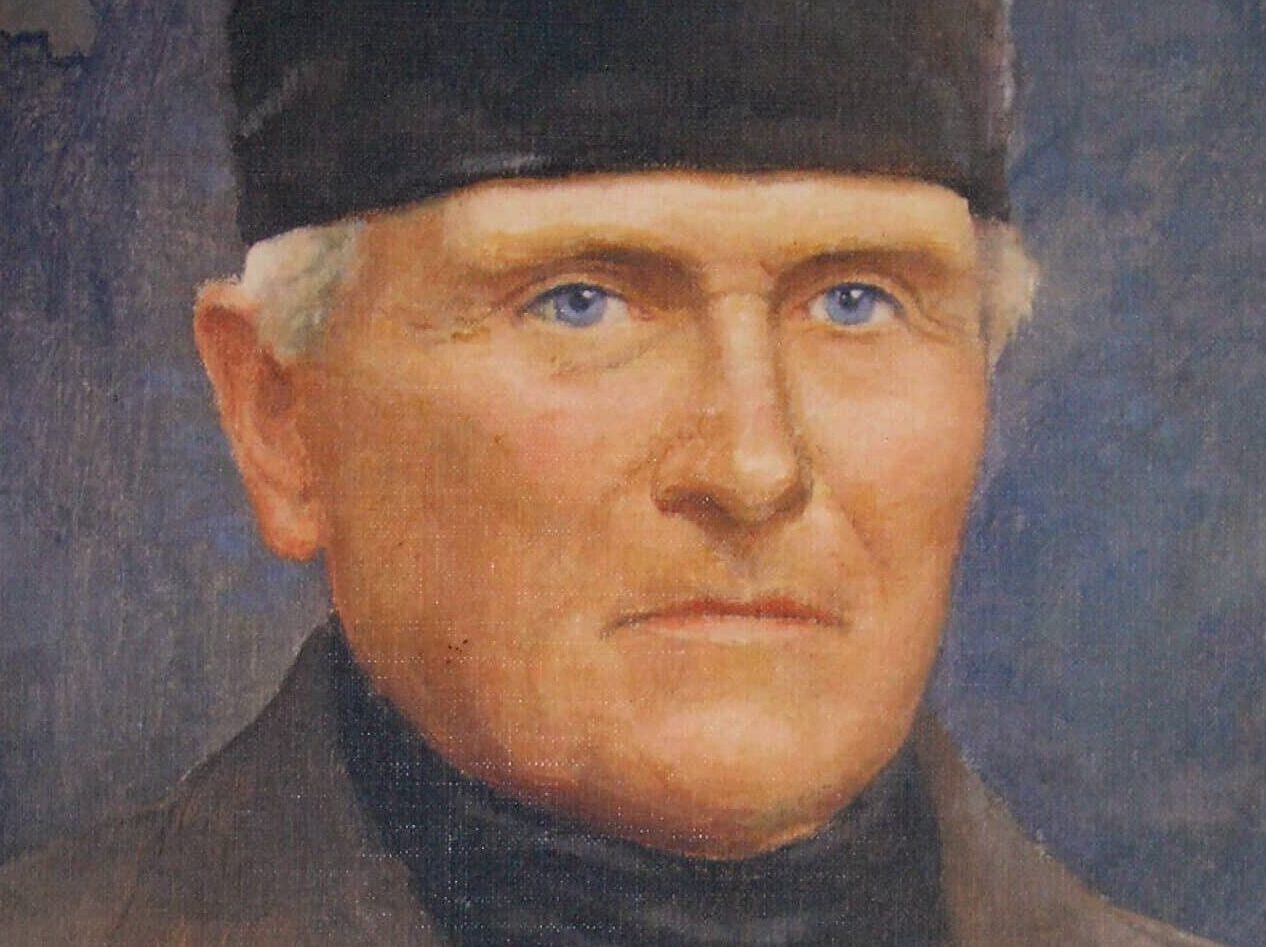
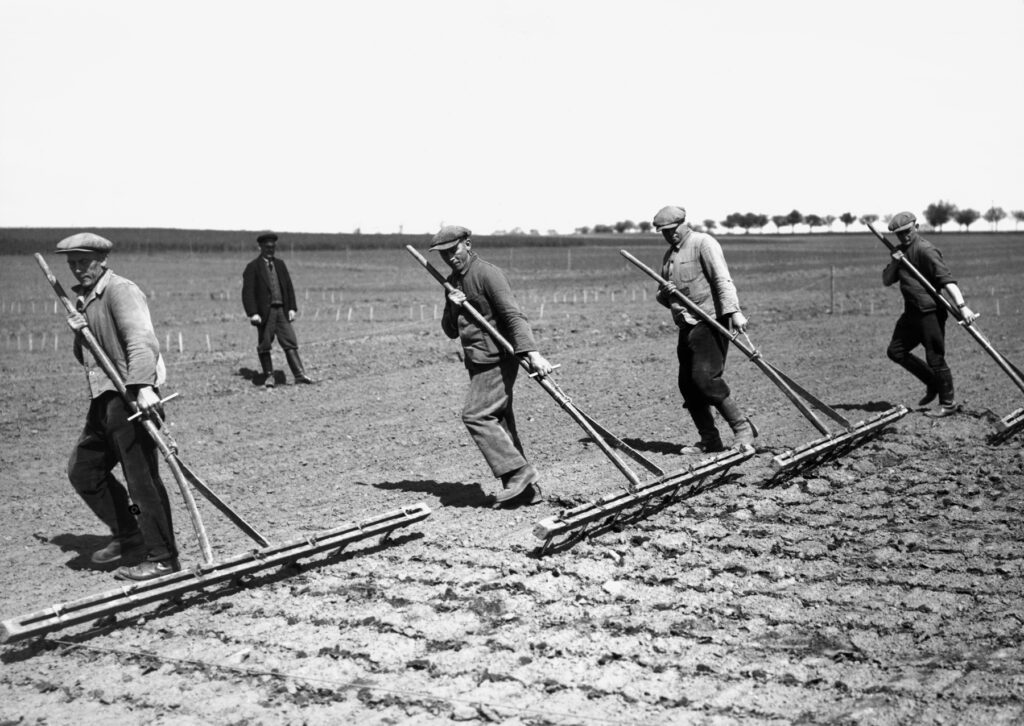
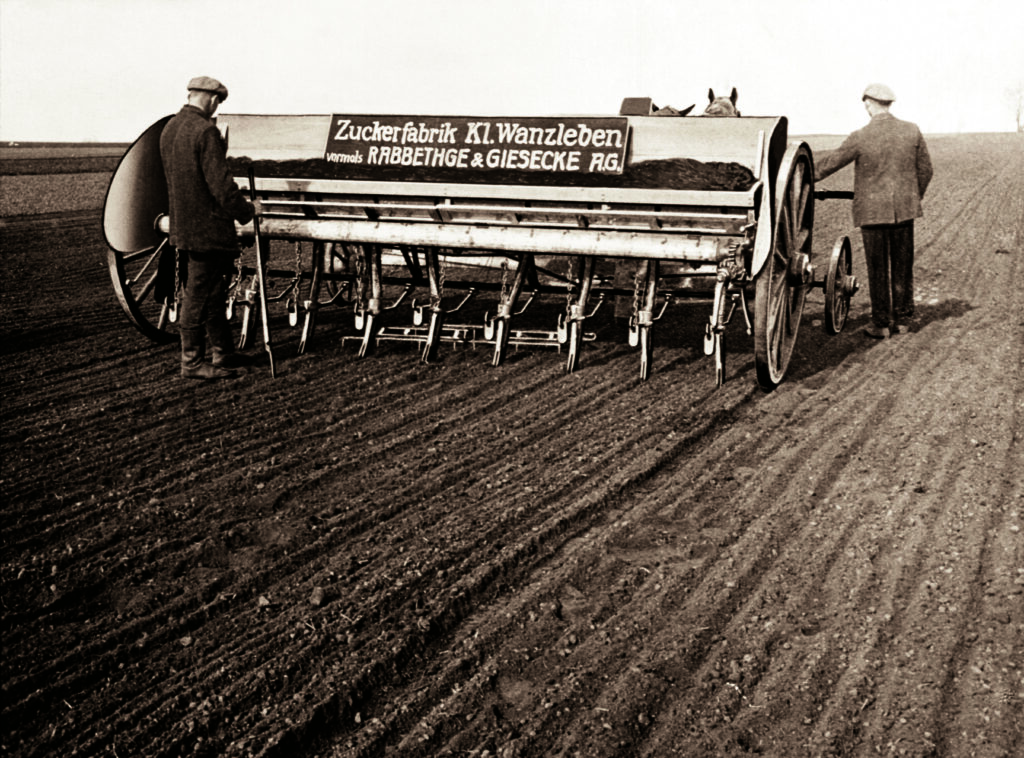
The KWS story begins with entrepreneurial farmer Matthias Christian Rabbethge, who recognized the potential of the emerging beet sugar industry at an early stage. In 1856, he acquired a majority stake in a sugar beet factory in the small town of Klein Wanzleben, laying the foundation for what would later become KWS. By 1885, seed production had overtaken sugar manufacturing as the core of the business.
From those beginnings, KWS expanded steadily both in terms of geography and crops. While sugar beet remains a cornerstone of the portfolio, the company also moved into cereals, corn, oilseeds and vegetables in subsequent decades.
Today, KWS runs breeding programs in more than 20 crops, operates in more than 70 countries, employs nearly 5,000 people and generates annual revenues of approximately €1.7 billion.
Long-Term Thinking and Scientific Excellence
The foresight that underpinned KWS’s evolution continues to guide the company today. Longterm planning and scientific excellence are deeply embedded across the organization. In the past years, the company continuously reinvested around 20% of its net sales into research and development, reinforcing its position as one of the seed sector’s most innovative players.
“Plant breeding is an inherently long-term business. We think in generations, not quarters, and our decisions are guided by the goal that KWS will still be strong in 10, 20 or 50 years,” Büchting says.
That mindset translates into tangible progress across a wide range of crops. In sugar beet, years of targeted research have resulted in CR+ varieties that help growers manage rising Cercospora pressure. In oilseed rape, InsectPROTECT genetics support early crop protection against cabbage stem flea beetle. Hybrid rye offers another example, combining strong yield potential with resilience under challenging growing conditions, while the PollenPLUS trait enhances tolerance to pollen-borne infections and contributes to greater crop reliability.
Independence as a Strategic Asset
KWS’s ability to take the long view is closely tied to its identity as a family company. The majority of the business remains in the hands of three families, with Felix Büchting representing the founding family in the seventh generation. This independence provides the planning security needed to pursue initiatives that extend well beyond short‑term market cycles.

“I see myself as a trustee rather than an owner. This is not ‘my’ company — it was built by previous generations,” he says.
“My responsibility is to pass KWS on to the next generation in a better state than I inherited it.”
A clear example of this mindset is the company’s entry into vegetable breeding in 2019.
Establishing or expanding breeding programs across nine crops required building an international network of breeding stations, scientific capabilities and talent pipelines.
“Long‑term decisions like entering vegetable breeding are based on a 20‑year horizon,” Büchting explains. “It takes years before the first products reach the market, and building a competitive position requires sustained investment well beyond that.”
From Klein Wanzleben to Einbeck
While continuity has been a defining feature of KWS’s success, the company’s history also includes moments of profound disruption. One of the most critical occurred at the end of the second World War, when Klein Wanzleben was about to fall within the Soviet occupation zone.
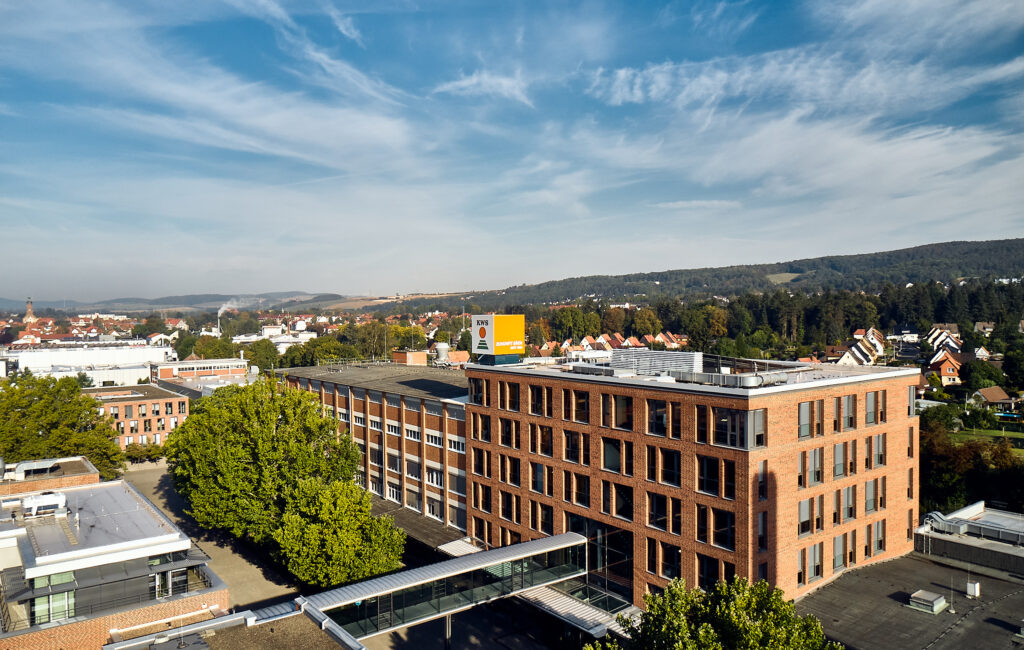
In 1945, the British military transported members of the founding families, together with employees and approximately 60 metric tons of elite seed, from Klein Wanzleben to Einbeck in a covert and highly sensitive operation. The operation secured the company’s critical breeding assets and enabled it to quickly resume its work. Einbeck has remained the company’s headquarters ever since.
Trust Earned Over Generations
Throughout its history, KWS has built a reputation for delivering resilient, high‑yielding varieties across crops, regions, and growing conditions.
“What makes us successful is our ability to balance the long view with the flexibility to adapt,” Büchting says.
“Just as plants respond to changing environments, companies must remain adaptable as well. That depends on staying closely connected to the realities farmers face every day.”
At KWS, this connection is anchored in longstanding relationships with agricultural communities.
A network of more than 700 seed partners across Europe alone supports customers with locally adapted varieties, agronomic expertise, and digital tools.
“Trust grows when products deliver what they promise,” Büchting adds. “Our business is built on the confidence farmers place in our seeds and our expertise, today, and for generations to come.”