From wheat breeding discussions to concerns about oat research sustainability, producers are becoming central voices in shaping the future of crop innovation.
There’s a theme emerging in Canadian agriculture right now, and it’s not subtle. The people closest to the farm are no longer waiting for someone else to solve the innovation problem. They’re stepping into it themselves.
Over the past week, we’ve covered three different stories that all point to the same reality: Canada’s plant breeding system is standing at a crossroads. The encouraging part? Farmers, breeders, researchers and industry leaders aren’t just talking about the challenge anymore — they’re actively trying to build what comes next.
Take wheat for example. Canadian farmers are now leading discussions about what a new breeding model could look like, because many believe the current system simply isn’t sustainable long-term. The Canadian Wheat Research Coalition’s recent review made that pretty clear: the status quo isn’t an option anymore.
What stands out to me is that this isn’t being framed as a complaint session. It’s actually a leadership conversation. You see, farmers already fund a significant portion of wheat breeding in Canada, and they understand exactly what’s at stake if investment stalls — competitiveness, productivity, export markets and ultimately food security.
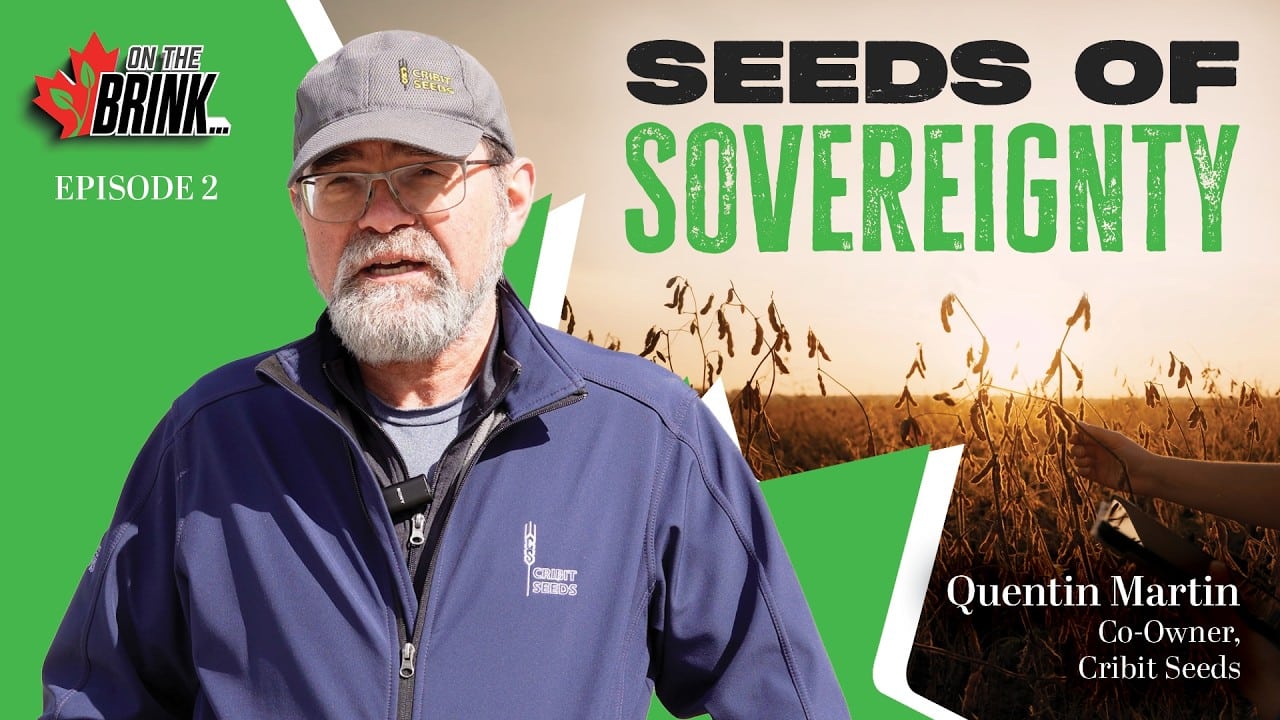
At the same time, our On the Brink series continues to reveal just how fragile parts of the system have become. This week’s episode focused on oats, where sustained investment over decades has quietly protected the crop from devastating disease pressure. Quentin Martin made a compelling point: the reason crown rust hasn’t crippled Eastern Canada’s oat acres is because previous generations invested before the crisis arrived.
That’s the thing about plant breeding. When it works, nobody notices. The varieties show up. The crop performs. The disease pressure gets managed. Farmers keep moving. But behind every one of those outcomes is years — often decades — of investment, infrastructure and people. And once those systems erode, rebuilding them is neither quick nor cheap.
That’s why I think this broader conversation matters so much. Because while Canada debates public breeding capacity, infrastructure closures and future funding models, other players are making very clear long-term bets on innovation. Bayer is investing more than $45 million into a new canola innovation centre in Winnipeg. BASF is expanding its breeding capacity in Saskatoon.
Those investments send a message that innovation goes where there’s confidence, collaboration and long-term commitment. And honestly, Canada still has enormous strengths. World-class researchers. Strong farmer organizations. Deep expertise. Global credibility in crops like wheat, oats and canola.
But strengths alone don’t secure the future. Systems do.
What encourages me most right now is that the conversation is becoming more practical. Less theoretical and more focused on solutions. We’re hearing serious discussions around new partnership models, shared infrastructure, private-public collaboration and farmer-led investment strategies. That’s a really healthy shift, because no single group is going to solve this alone. Not government. Not private industry. Not farmers. Not universities.
But together? Canada absolutely can build a breeding system designed for the next 30 years instead of trying to preserve one built for the last 30.
The bigger risk now isn’t that we don’t recognize the problem. It’s that we move too slowly while everyone else keeps investing around us. And judging by the conversations happening right now across the industry, I don’t think many people are comfortable letting that happen anymore.