From developing new varieties to building stronger companies, real progress often begins long before results are visible.
Most people enjoy the story of a breakthrough. Far fewer enjoy the long middle section that made the breakthrough possible. That is where progress becomes less photogenic, especially in plant breeding. The first attempts do not work. The promising line disappoints in the field. The market shifts. A disease pressure changes. A regulatory question appears. What looked clear on paper becomes complicated in practice.
A recent LinkedIn post on persistence captured this well: people often quit not because the goal disappears, but because frustration arrives before visible progress. That idea applies neatly to leadership, innovation and personal development. But in the seed sector, it has an even sharper meaning. Plant breeding itself is a profession built around staying with uncertainty long enough for useful knowledge to emerge.
Plant Breeding Is Persistence in Practice
Developing a new plant variety is rarely a quick process. Depending on the crop, breeding method and regulatory pathway, the journey from initial crossing or trait identification to commercial seed can take many years. For annual crops, the development of new varieties may take more than a decade, while tree crops and other long cycle species can require even more patience.
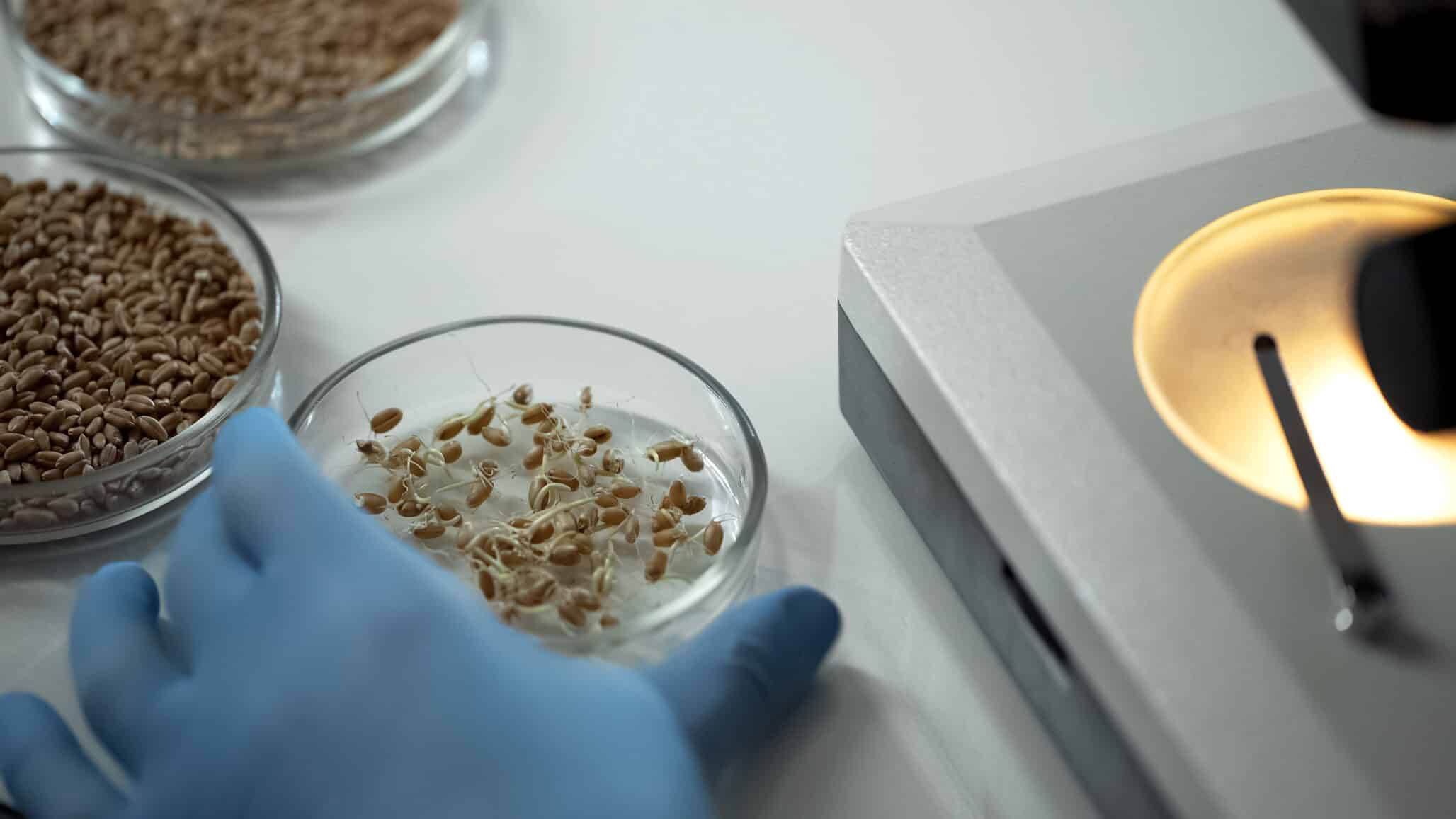
That time is not simply waiting time. It is learning time. Each generation tells the breeder something. A cross that fails may reveal which combination is not worth pursuing. A line that performs well in one location but poorly in another may point to a hidden weakness. A trial that disappoints may still sharpen the next selection decision.
In that sense, failure in plant breeding is not merely the opposite of success. It is part of the information system that makes success possible. Every discarded line, every underperforming trial and every unexpected field result can help direct the next decision.
Failure Becomes Useful When Learning Continues
This is where persistence becomes more than a motivational word. True persistence is not repeating the same action blindly. It is repetition with refinement. It is the willingness to keep looking, measuring, comparing and adjusting after the easy optimism has faded.
The best breeders are not simply stubborn. They are observant, disciplined and honest enough to discard what does not work while still believing that the next cycle may produce something better. Their persistence is not romantic. It is technical, practical and evidence driven.
FAO has described improved varieties developed through plant breeding as one of the effective ways for crop production to grow, or at least remain stable, under the new challenges created by climate change. The same FAO material also stresses that crop genetic diversity is the foundation for developing new varieties for present and future challenges.
Seed Sector Leadership Also Requires Long Term Discipline
There is also a useful leadership lesson here. Seed companies, research institutes and public breeding programmes all operate in environments where results are rarely immediate. Climate change, shifting pest and disease pressures, changing consumer expectations, intellectual property debates, seed legislation, production risks and market volatility all test the patience of leaders.
The temptation is often to demand quick wins, change direction too early, or abandon a long-term investment before its value becomes visible. Yet the seed sector depends on people and organisations willing to stay in the process. CGIAR’s Crops to End Hunger initiative, for example, focuses on long term, science-based investments in modern plant breeding for priority crops, including support for food security, poverty reduction, crop biodiversity and public goods research.
That does not mean persistence should be romanticised. Continuing with a poor idea simply because much has already been invested is not wisdom. In breeding, as in leadership, the point is not to ignore evidence. The point is to keep learning from it. Persistence without feedback becomes waste. Feedback without persistence becomes unused knowledge.
Better Varieties and Better Companies Take Time
The same applies to companies. A better organisation is rarely built through one strategic workshop, one new hire, one reorganisation, or one bold speech from the top. It is built through repeated decisions that slowly create trust, clarity and direction. Some of those decisions will be wrong. Some initiatives will stall. Some plans will need to be revised.
The question is whether frustration becomes a reason to stop, or a signal to learn more carefully. In a sector where innovation cycles can be long and success depends on many biological, technical and commercial variables, the ability to stay with complexity is not a soft skill. It is a competitive requirement.
OECD’s Seed Schemes, for instance, show another form of patient progress in the seed sector: harmonised procedures, official control and international cooperation aimed at supporting the use of high-quality certified seed across participating countries. That type of system building is rarely dramatic, but it helps create the trust and consistency on which seed movement and farmer confidence depend.
The Invisible Phase of Progress
There is a quiet dignity in the kind of progress that cannot yet be shown in a graph, a product launch, or a press release. The breeder walking another field trial. The team reviewing another failed prototype. The manager having another difficult conversation. The entrepreneur trying another route to market. None of these moments look like victory when they are happening. Often, they look like delay.
But in hindsight, they may be the work that mattered most. The difficult middle is where assumptions are tested, weak ideas are removed, stronger ones are shaped and genuine progress begins to accumulate.
In the seed sector, persistence is not a slogan. It is a professional necessity. Better varieties, better companies and better systems are rarely created by those who never encounter frustration. They are created by those who know how to turn frustration into information, information into adjustment, and adjustment into progress.
The next breakthrough may not come from trying harder in the same way. It may come from staying in the process long enough to learn how to try better.