A conversation about local plant breeding, the unlikely rise of CDC Meadow, and the wisdom of honeybees all point to the same lesson: adaptation beats standardization.
One of the assumptions we sometimes make in agriculture is assuming bigger automatically means better. Bigger breeding programs. Bigger organizations. Bigger networks. Bigger systems.

Efficiency matters and so does scale. But this week I found myself thinking about something different: adaptation.
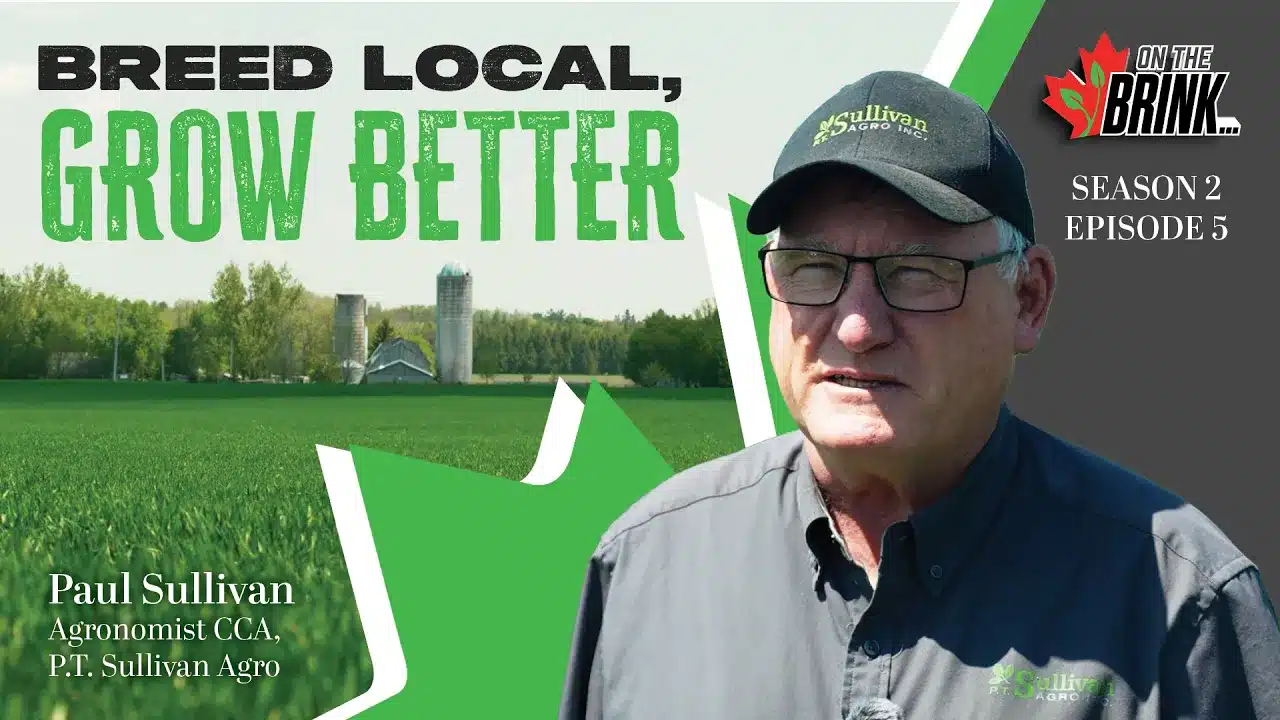
It started with a conversation on On The Brink with Eastern Ontario agronomist Paul Sullivan. Sullivan makes a straightforward argument about plant breeding that deserves more attention as breeding programs continue to consolidate across fewer locations. His point is simple: genetics matter most when they’re developed where they’ll be grown.
As breeding capacity concentrates into fewer centres, supporters point to the benefits — greater efficiency, stronger investment, and the ability to focus resources. Those are real advantages. But Sullivan raises an equally important question: can we actually breed for unique local conditions if the breeding doesn’t happen locally?
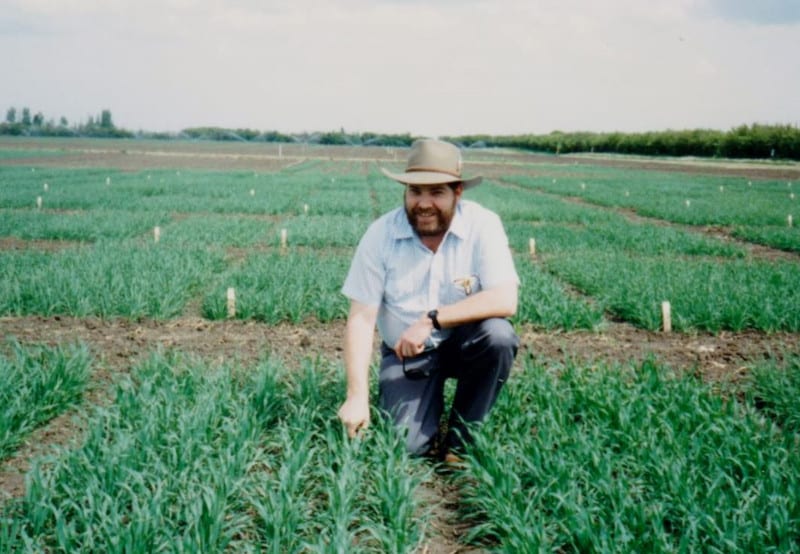
For him, the answer is found in Ontario winter wheat. Decades of breeding work tailored to local conditions helped deliver varieties with the winter hardiness, disease resistance, and performance farmers needed. The success wasn’t accidental. It came from breeders working within the environment they were trying to solve for.
That idea of local adaptation kept coming back to me this week.
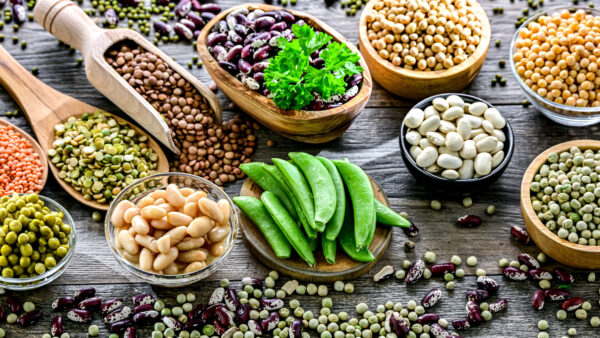
Take CDC Meadow, named 2026 Seed of the Year. Its story almost ended before it began. The variety was nearly discarded during the breeding process before someone recognized its potential. Today, it’s become one of the most successful pea varieties in Canadian history.
What strikes me about CDC Meadow isn’t just its success. It’s the reminder that valuable genetics often don’t announce themselves immediately. Diversity in breeding programs creates opportunities for unexpected breakthroughs. The next transformative variety may not look like the obvious winner in year one.
And then there was a completely different story, one about honeybees. At first glance, bees and the future of plant breeding don’t seem tightly connected, except for the fact that bees are important pollinators. But the lessons from a healthy hive are surprisingly relevant to the business of plant breeding.
Honeybee colonies succeed because they balance specialization with diversity. Thousands of individuals perform different roles, respond to changing conditions, and continuously adapt to what’s happening around them. There isn’t one bee with all the answers. The resilience of the colony comes from the collective strength of many contributors responding to local signals.
Agriculture has always worked much the same way. Breeders, agronomists, seed companies, researchers, growers, retailers, and processors all contribute different perspectives. The system is strongest when it maintains enough diversity in people, genetics, ideas, and locations to respond to challenges that none of us can fully predict.
That’s why the conversation around breeding consolidation deserves thoughtful discussion. Efficiency can strengthen a system. But resilience comes from adaptation.
CDC Meadow became a success because someone saw value where others nearly saw a dead end. Honeybees thrive because thousands of individuals respond to conditions in real time. Ontario winter wheat succeeded because breeders focused on the specific challenges facing Ontario farmers.
Different stories, but the same lesson. The future of agriculture won’t be built by creating one solution for everyone. It will be built by developing better solutions for somewhere. And sometimes, the most valuable innovations emerge precisely because someone stayed close enough to local conditions to recognize what others might have missed.