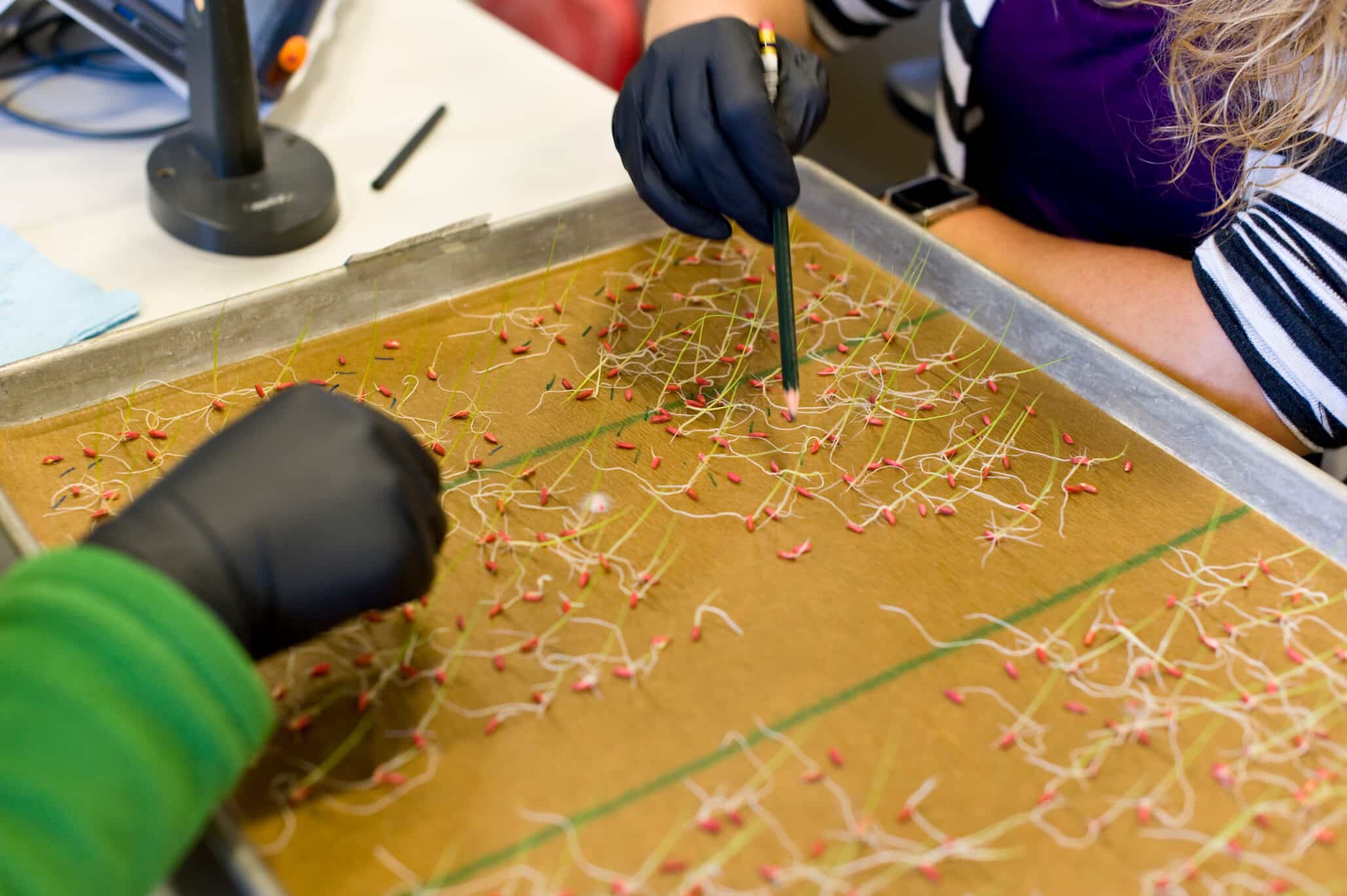
Technology can analyze a seed sample, but some decisions still demand a trained eye. RST’s bring that expertise to every test.
In seed testing, a few letters after someone’s name can carry a lot of weight. Registered Seed Technologists, or RSTs, work throughout our industry. We don’t always stop to consider what that designation represents. Becoming an RST requires much more than learning how to perform a test. This certification reflects a depth of knowledge that takes time, training and hands-on experience to develop.
Seed testing isn’t straightforward. A result can raise questions that require someone to look beyond a number on a report. What is actually in the sample? Is there a contaminant? Does it meet the applicable standards? What does a particular result mean for labeling or moving that seed into the marketplace?
Answering those questions requires technical knowledge, but it also requires judgement.
Expertise Is Earned
At SGS, I’ve had the opportunity to work with seed technologists who have spent decades building and expanding their knowledge. What continually impresses me is how much they know that isn’t immediately visible to someone outside the laboratory.
Seed Technologists recognize subtle differences between seeds. They understand testing rules and regulatory requirements. They’ve examined thousands of samples, building a mental library that helps them recognize when something doesn’t look right, color is off, the seed smells different or if it feels and moves like it should.
Technology can make laboratories faster and more efficient, and it will continue to change seed testing. But technology doesn’t eliminate the need for people who understand what they’re seeing and why it matters.
I believe the rigor behind the RST designation is important and shows a passion for seed. A respected credential should mean something. It should tell the seed industry that the person who earned it demonstrates a high level of competency and is committed to maintaining that expertise.
Why It Matters to Customers
Most customers don’t need to understand everything a RST had to learn to earn the designation. But they do need to have confidence in the person interpreting their results.
They should expect the person who is interpreting their sample test has experience and knowledge behind the result on the report.
When a seed company submits a sample for testing, the result can influence the journey of the seed lot. How the seed is used the labeling, shipping, inventory and ultimately whether a seed lot is ready for market. An unexpected result can create questions that need answers quickly. That’s when expertise becomes much more than a credential.
The best seed technologists don’t simply provide a number and move on to the next sample. They help customers understand what a result means, identify potential issues and determine what questions need to be asked next.
Customer service and technical expertise become inseparable. You can’t provide truly good service if you don’t have the knowledge to help solve the problem.
That’s ultimately why the RST designation is vitally important. When a customer has a question about a result, they need more than a number on a report. They need someone who can explain what they’re seeing, understand what it could mean for that seed lot and help them determine what comes next.
Those three letters tell customers there is knowledge, judgment and experience behind the result. And when the next decision could affect where that seed goes, how it’s labeled or whether it’s ready for market, having the right person behind the test matters.