Research involving 47 corn varieties reveals how early-season heat and drought can influence plant development and flowering, offering new insights for breeding more resilient crops.
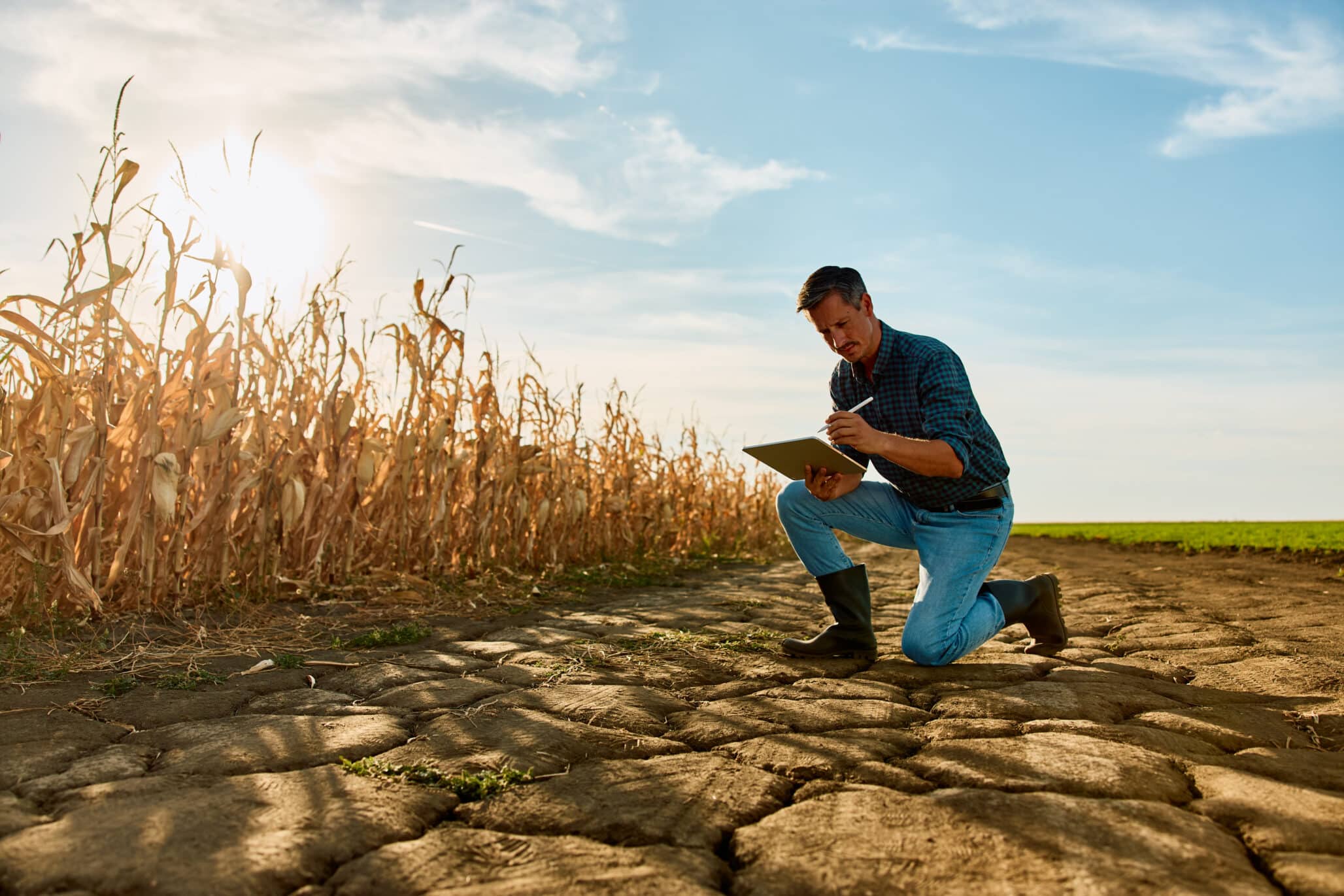
Heat and drought experienced early in a corn plant’s development can have lasting effects on growth and flowering, even weeks after growing conditions improve, according to new research from the Donald Danforth Plant Science Center and the University of Minnesota.
The study, published in The Plant Journal, examined 47 genetically diverse corn varieties exposed to normal conditions, drought, heat and combined heat and drought. Researchers found that a variety’s response to drought alone did not reliably predict how it would perform when exposed to both stresses.
“A corn plant that performs well under drought may respond very differently when heat is added,” said Malia Gehan, Ph.D., Danforth Center principal investigator and director of research for innovation. “By measuring plants day after day through images, we can see differences that a single measurement would miss. This gives us a more complete picture of how plants cope with stress.”
Combined Stress Takes a Greater Toll
Researchers exposed young corn plants to conditions representative of early summer in the Midwest, using daily imaging over a 13-day treatment period to track changes in plant size, height, water use and color, according to a press release.
Both heat and drought reduced plant size, but drought also slowed development and reduced leaf number and greenness. For most varieties, combined heat and drought caused greater reductions in plant size than would be expected from either stress alone.
The findings also showed that plants displaying early signs of drought stress were not necessarily the most affected by the end of treatment. This suggests that evaluating crops at a single point in time could overlook genetic differences important for stress tolerance.
Early Stress Has Lasting Consequences
To examine longer-term effects, researchers conducted additional experiments with two corn varieties, returning plants to normal growing conditions after approximately two weeks of stress.
Early drought delayed flowering, while heat accelerated it. Responses to combined stress varied between the two varieties. Plants exposed to both heat and drought also remained significantly smaller than unstressed plants 61 days after planting.
These findings suggest that early-season stress can influence corn development well beyond the initial exposure, reinforcing the importance of evaluating stress tolerance throughout the growing season.
“Farmers need crops that can withstand difficult conditions from the start of the growing season,” said Giles Oldroyd, Ph.D., president of the Danforth Center. “The remarkable variation in how these plants respond gives us opportunities to understand what makes some more resilient than others. Our goal is to turn that understanding into impact: better crops that help farmers protect their livelihoods and feed their communities.”
Implications for Corn Breeding
The research highlights the importance of testing corn varieties under multiple environmental stresses rather than evaluating heat and drought tolerance separately.
Researchers are now conducting a small follow-up study with selected varieties at the Danforth Center’s Field Research Site. The genetic diversity identified among the publicly available corn varieties could provide valuable material for future breeding efforts aimed at improving crop resilience.
The study was led by Gehan and Cory Hirsch, Ph.D., of the University of Minnesota, with Anna Casto, Ph.D., Katie Murphy, Ph.D., and Alejandra Quinones serving as co-lead authors.